



 通过中商114认证

Does Bubble Affect the Performance of Foam Insulation Boards Made from Cement?
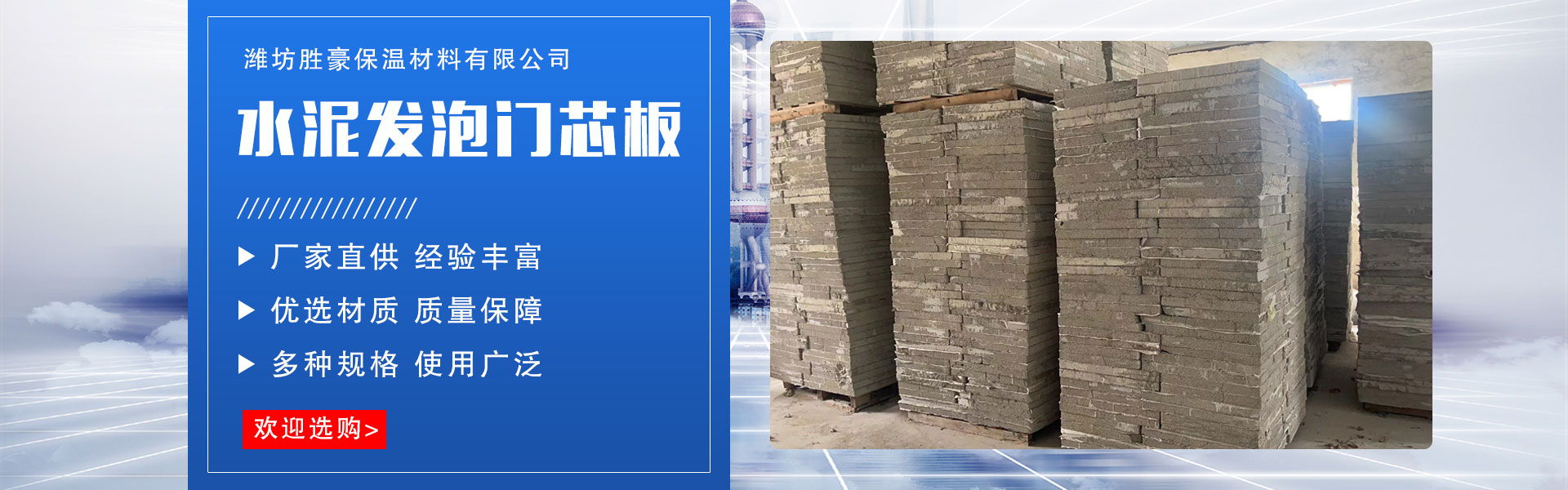
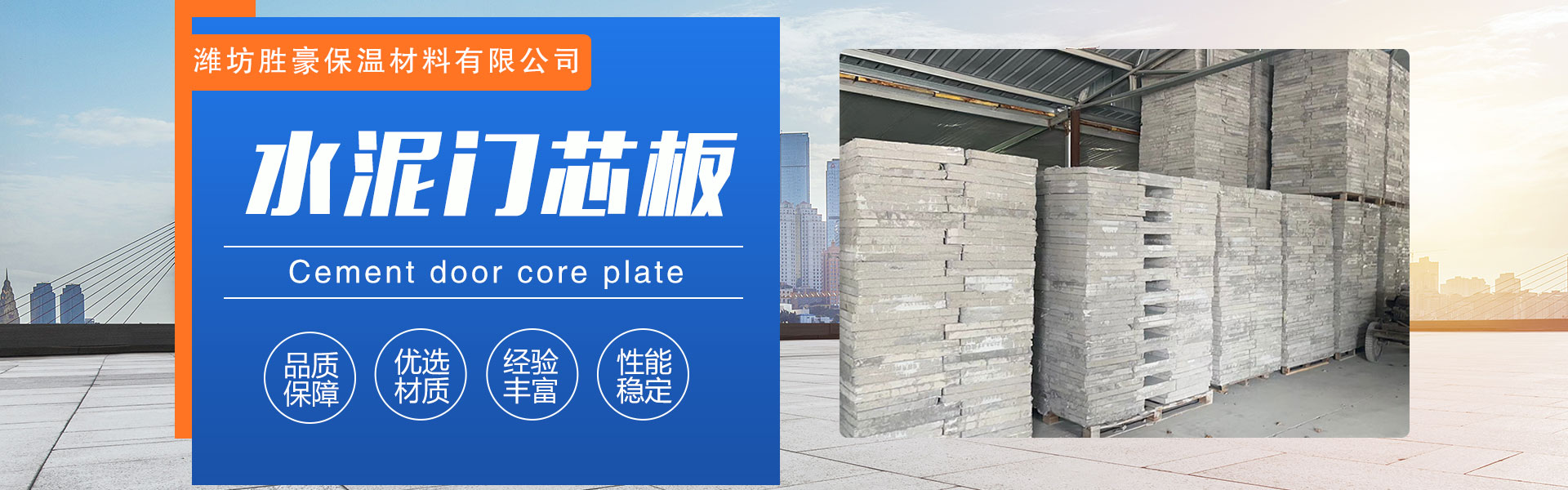
Insulating foam concrete boards, as the name implies, are boards with thermal insulation properties, and the size of the bubbles is a key factor affecting their insulation performance. Larger bubbles that are relatively independent result in poorer thermal conductivity, lower thermal conductivity coefficients, and thus better insulation. Conversely, if the foam concrete boards have smaller bubbles and interconnected bubbles, their thermal conductivity will be stronger, the thermal conductivity coefficient will be higher, and the insulation performance will not be as good. Winfang Shenghao Insulating Foam Concrete Board Manufacturer introduces that foam concrete can be categorized into physical foaming and chemical foaming. The process of blowing bubbles into the mixture is known as physical foaming, which is generally used in underfloor heating applications. The blowing process is affected by space, time, and region, and its application in insulation boards does not yield ideal insulation results.
When compared to physical foaming, chemical foaming in cement foamed thermal insulation boards results in larger bubbles. The foaming process is a result of the chemical reaction of the foaming agent itself, which is unaffected by the foaming space, time, and area. Moreover, the foaming is uniform, making chemical foaming an ideal production method for cement foamed thermal insulation boards.
