



The removal of organic pollutants and ammonia nitrogen mainly relies on the AO biological process within the equipment. The principle is that at Stage A, due to the high concentration of organic matter in the wastewater, microorganisms are in an anaerobic state. At this point, they are facultative microorganisms that convert organic nitrogen in the wastewater into NH3-N, while using organic carbon as an electron donor to convert NO2-N and NO3-N into N2. They also utilize some organic carbon sources and NH3-N to synthesize new cellular material. Therefore, Stage A does not possess significant organic matter removal capabilities, which helps to alleviate the organic load in the subsequent aerobic ponds, facilitating nitrification. Moreover, it relies on the higher concentration of organic matter in the raw water to complete denitrification, ultimately eliminating eutrophication pollution. At Stage O, although the organic matter concentration has significantly decreased, there is still a certain amount of organic matter and a high level of NH3-N. To further oxidize and decompose organic matter, while ensuring the smooth progress of nitrification under completed carbonization, an aerobic biological contact oxidation pond with a lower organic load is set up at Stage O. In the Stage O pond, aerobic microorganisms and autotrophic bacteria (nitrifying bacteria) utilize inorganic carbon produced by the decomposition of organic matter or atmospheric CO2 as a nutrient source to convert NH3-N in the wastewater into NO2-N and NO3-N. A portion of the effluent from the Stage O pond is recycled back to Stage A, providing an electron acceptor for the latter. This allows for the ultimate elimination of nitrogen pollution through denitrification.
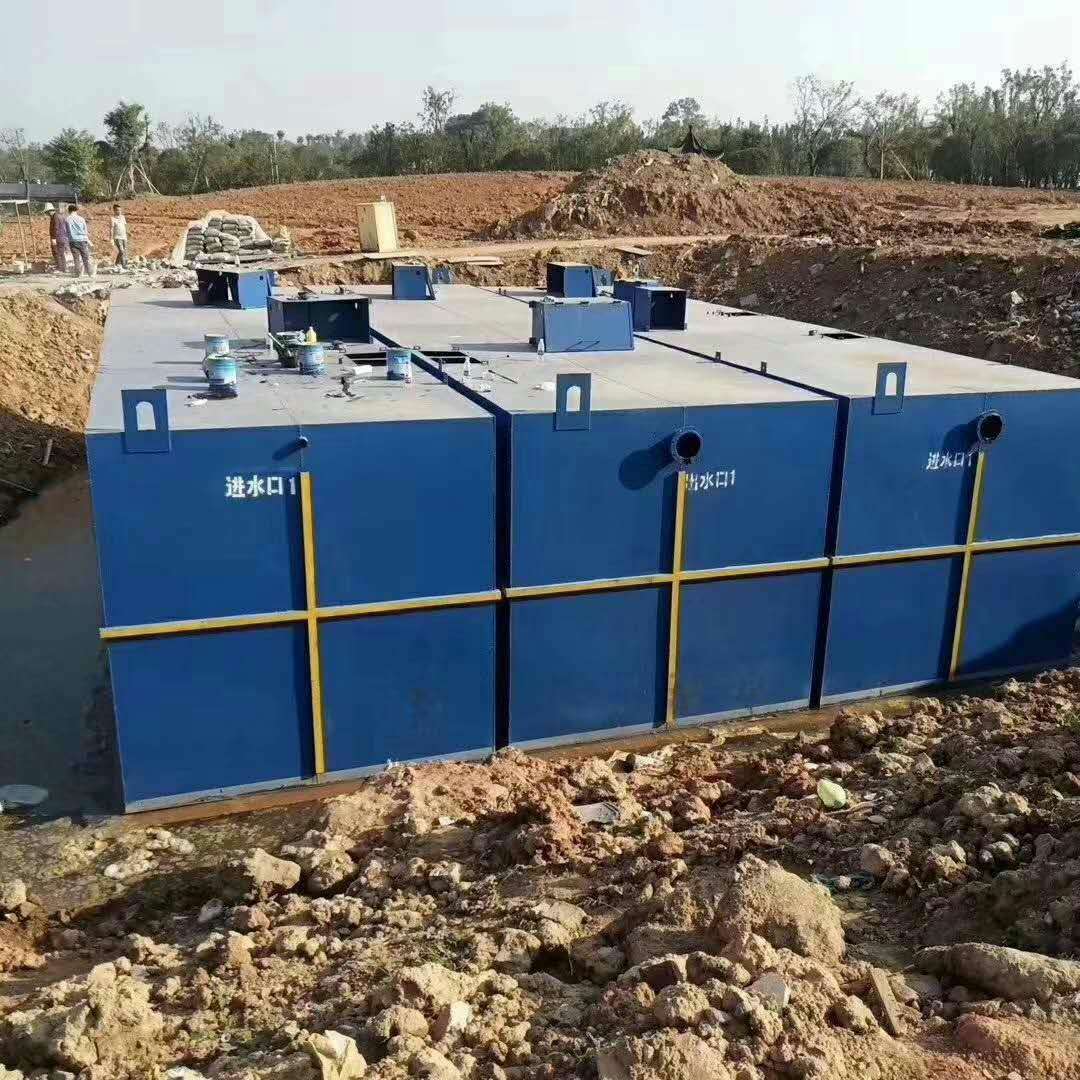
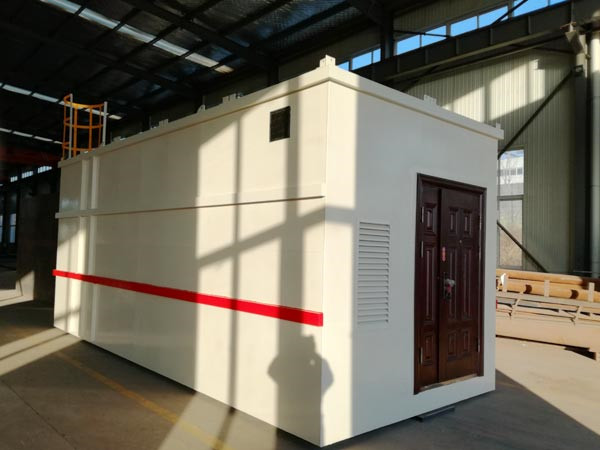
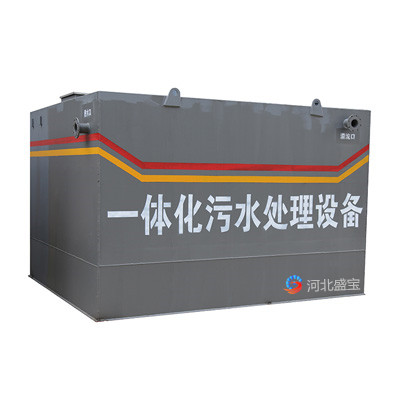
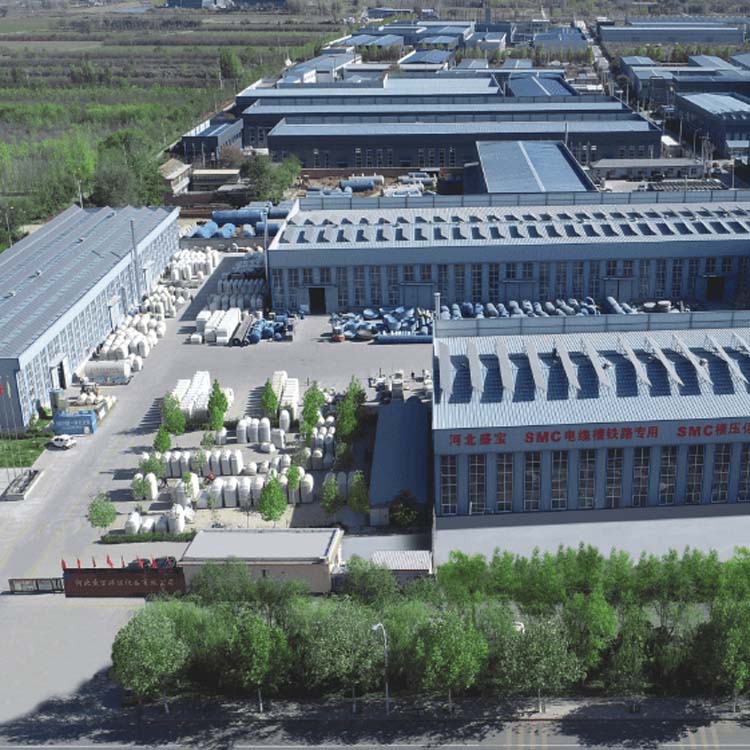
Comprised of an A-grade anaerobic biochemical pool, two stages of O-grade aerobic biochemical pools, sludge concentration pool, clear water discharge pool, and manholes (observation holes), our manufacturer-direct, underground integrated sewage treatment equipment is both economical and practical. It also saves on equipment investment and operational costs. The technology is mature, with a simple structural design, making it more user-friendly.