
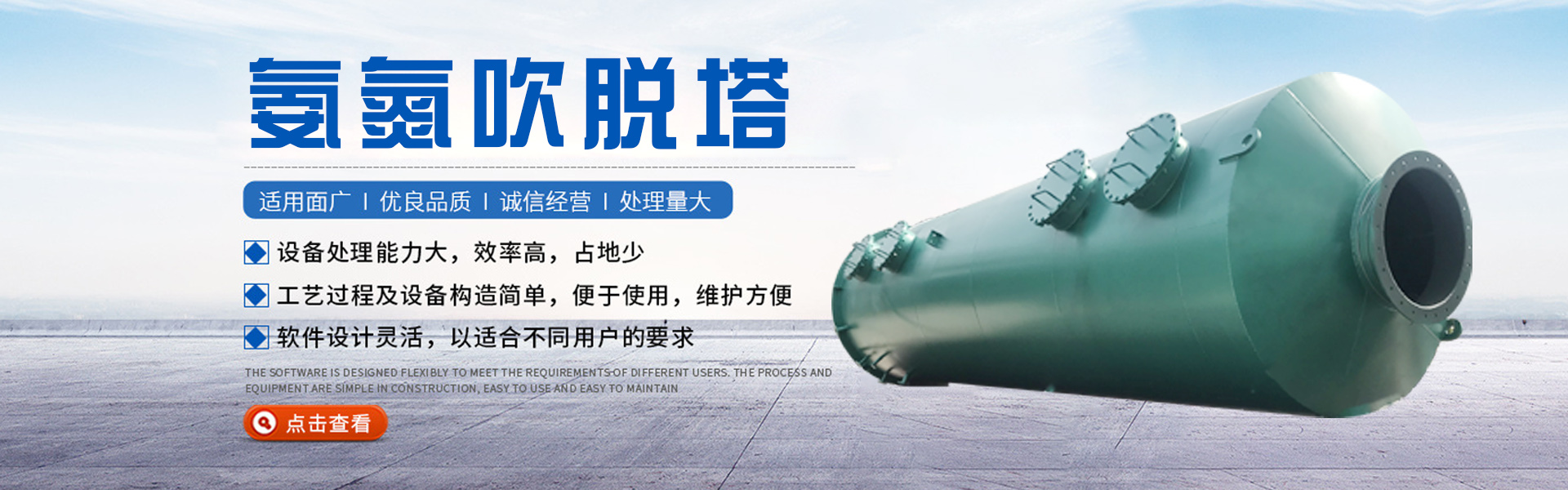
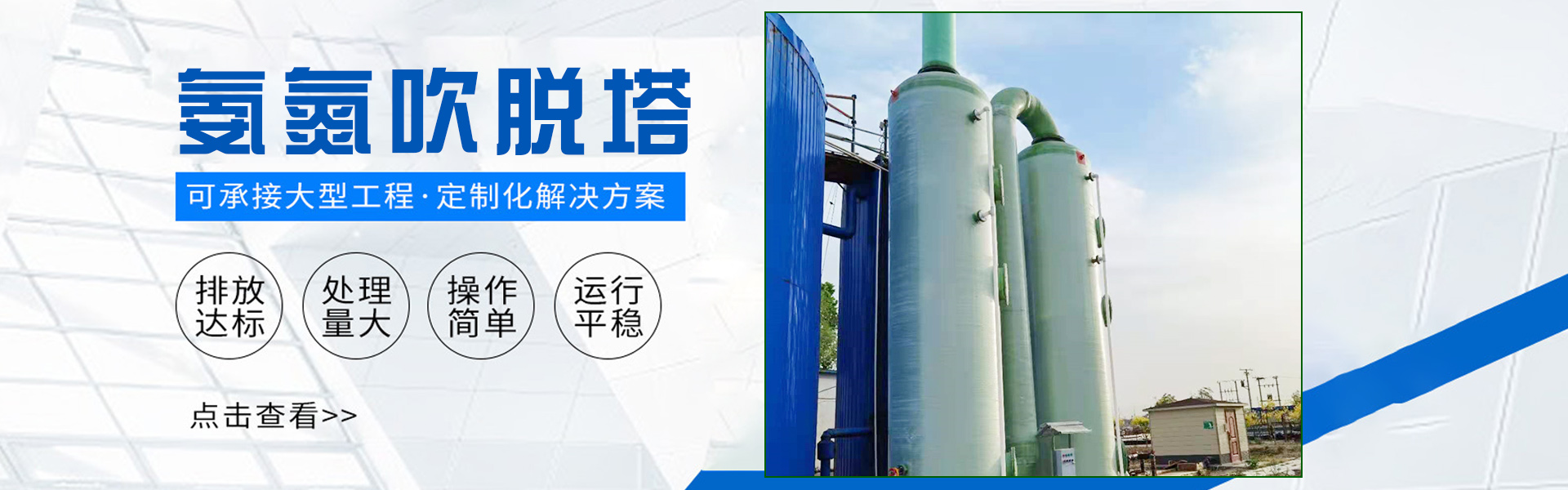

The general formation of ammonia-nitrogen wastewater is due to the coexistence of ammonia water and inorganic ammonia. The composition of ammonia-nitrogen in wastewater mainly includes two types: one is ammonia-nitrogen formed by ammonia water, and the other is ammonia-nitrogen formed by inorganic ammonia, primarily including ammonium sulfate, ammonium chloride, etc. Ammonia-nitrogen wastewater primarily originates from industries such as chemicals, metallurgy, fertilizers, coal gas, coking, tanning, monosodium glutamate, meat processing, and breeding, as well as from wastewater discharge and leachate from garbage. Ammonia-nitrogen wastewater is also toxic to fish and certain organisms. Additionally, when wastewater containing a small amount of ammonia-nitrogen is reused in industrial processes, it can corrode certain metals, particularly copper, leading to biofouling, clogging pipes and equipment. There are various methods for treating ammonia-nitrogen wastewater, with common ones including chemical precipitation, stripping, chemical oxidation, biological treatment, membrane separation, ion exchange, and soil irrigation.
News Center Co., Ltd.
