



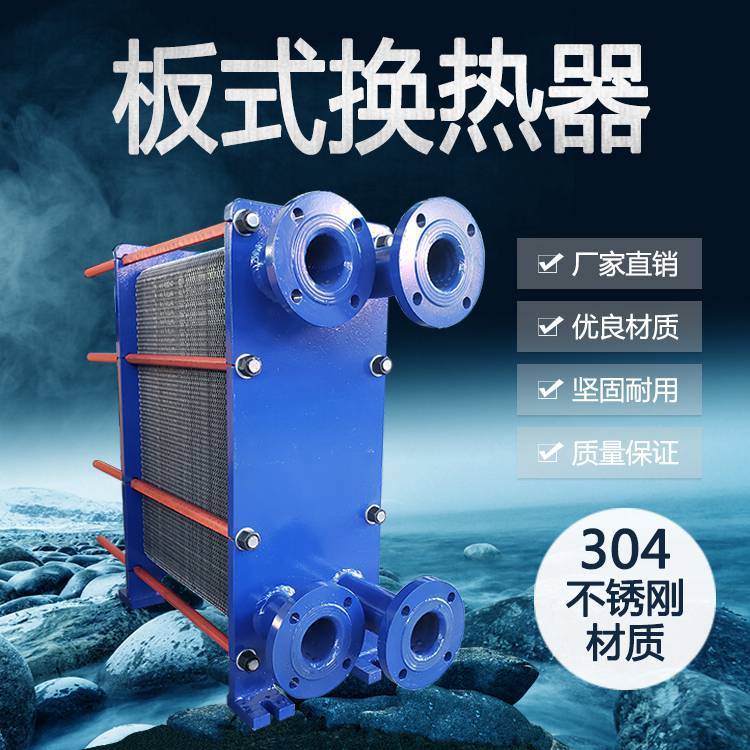


The semi-rectangular heat exchanger features an integrated heater, primarily operating by increasing the flow rate of the heat medium inside the tubes and the heated water outside, transforming laminar flow into turbulent heat exchange. This maximizes the heat exchange efficiency of the tubes, eliminates short-circuiting in the heated water, significantly enhances the heat transfer coefficient, thereby improving the heat transfer efficiency and the heat supply.
The semi-rectangular heat exchanger is a great piece of equipment in industrial production. However, each heat exchanger has its unique features. Today, the New En Technology editor introduces the characteristics of the semi-rectangular heat exchanger.
Heat exchanger capacity increased
The heat exchange section features an improved rapid heat exchanger with a high heat transfer coefficient and large heat exchange capacity. The heat exchange capacity of this product in the same volume is 5-8 times that of traditional volumetric heat exchangers.
2. Head loss of water heated to boiling ≤ 0.2 meters
Thus, it maintains stable water pressure and temperature, safety, water conservation, and comfort in use, even under the conditions of setting general automatic temperature control valves.
High Utilization Rate
The heating section is rapid, with all the water stored inside the tank being hot, free of standing water or cold zones, achieving a 100% capacity utilization.
Energy Efficiency
The product can maintain the tank's water temperature when water usage is low or non-existent, thanks to the operation of the circulating pump on the hot water pipe network. The heat exchange section is always in a state of flowing heated water, ensuring thorough heat exchange and energy conservation. During the steam-water heat exchange, the condensate outlet temperature is below 80℃.
5. Easy to Maintain
The small drum shape, lightweight design, and the ability to be removed horizontally for heat exchange make it convenient for maintenance. It is user-friendly for both the general public and subsequent use.
