
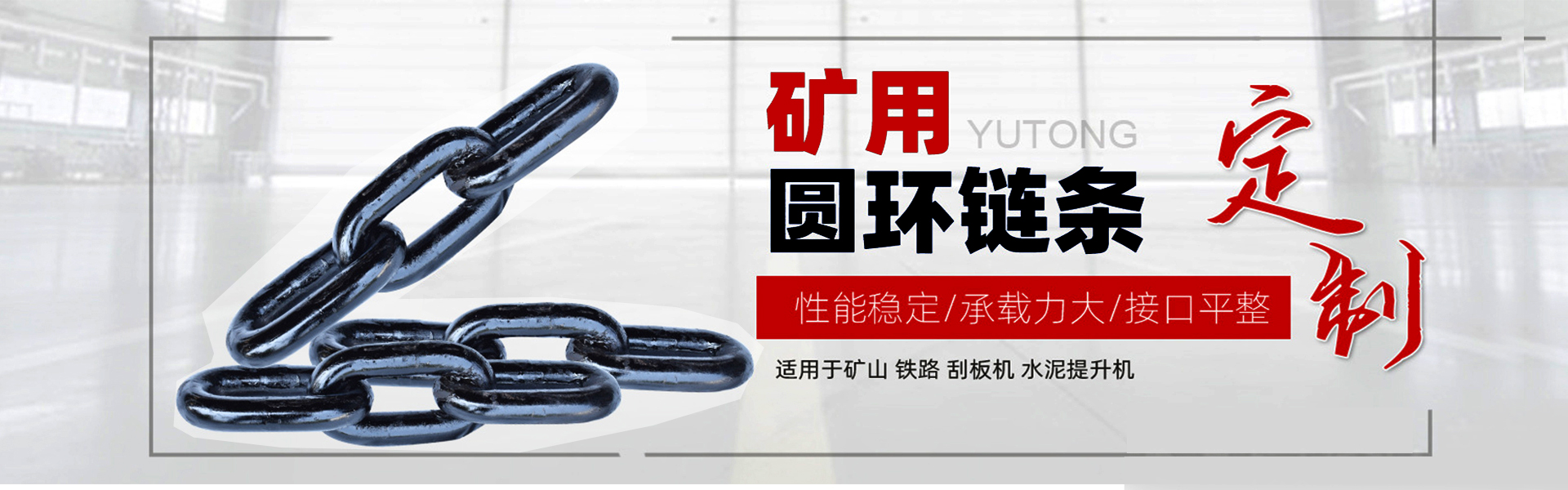

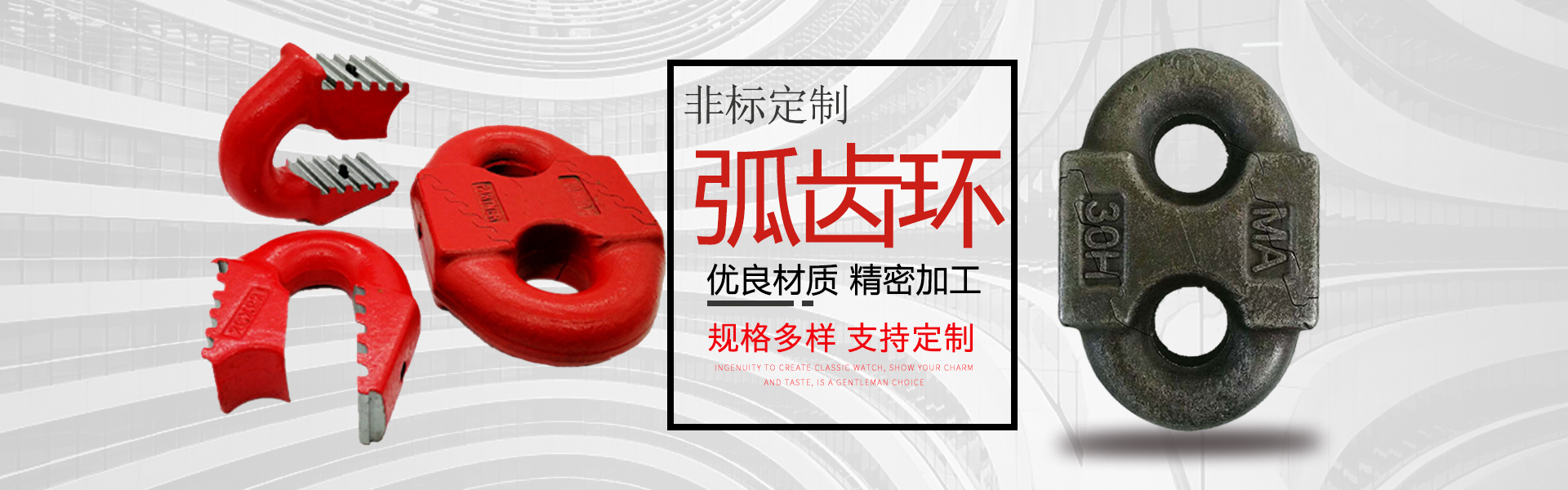

Chains have always been widely used in industrial automation production lines, and their power transmission and conveying functions are indispensable in many scenarios. How can we utilize and maximize the potential of chains, while extending their service life and reducing costs?
Chains are commonly used in high-load, harsh environments with frequent operation, so chain failure is primarily manifested as chain breakage or wear. One important cause of these damages is the lack of timely and effective lubrication, leading to corrosion and rust. Therefore, how to provide effective lubrication for chains becomes a crucial factor in extending their service life and reducing costs. The type of chain lubrication varies depending on the method of chain use.Compact ChainHere, the manufacturer introduces several primary smoothing methods:
Brushes should be smooth. Regularly apply oil at the loose link plate joints of the chain using a brush or oil壶 every 8 hours. The amount of oil and frequency should be sufficient to prevent the smooth oil from discoloring at the chain link joints.
② Oil Dropping for Smooth Operation. Apply oil drops between the two articulated plates using an oil dropper cup. The amount and frequency of oiling should be sufficient to prevent discoloration of the smooth oil at the chain hinge joint. For a single-row chain, approximately 5 to 20 drops of oil are applied, with more drops at higher speeds. Oil dropping for smoothness is typically used on fast and long-distance conveyor chains, such as those on baking equipment and textile machinery. The characteristics of this lubrication method include: good lubricating effect, minimal waste, unrestricted, but with poor uniformity in lubrication.
③ The oil bath or oil pan is smooth. When using the oil bath for smoothing, the lower chain passes through the oil sump in the transmission, with the oil level reaching the circumference line of the chain at its lower position. When using the oil pan for smoothing, the chain operates above the oil level. The oil picked up by the oil pan from the oil sump is often guided by an oil channel to settle onto the chain.
④ Spray Lubrication. Spray lubrication involves supplying a continuous oil flow to each conveyor chain, with the oil applied to the inside of the chain links, precisely aligned with the chain plate joints, and evenly directed to the loose side of the chain along its width. High-speed transmission chains often utilize the spray lubrication method, which is characterized by good lubricating effect and uniformity, but with higher waste. Traditionally, chain lubrication is mostly done with grease or light oil lubrication, involving the application of lubricating grease or dropping lubricating oil, with varying lubrication intervals.
News Center Co., Ltd.
