



 通过认证
通过认证 
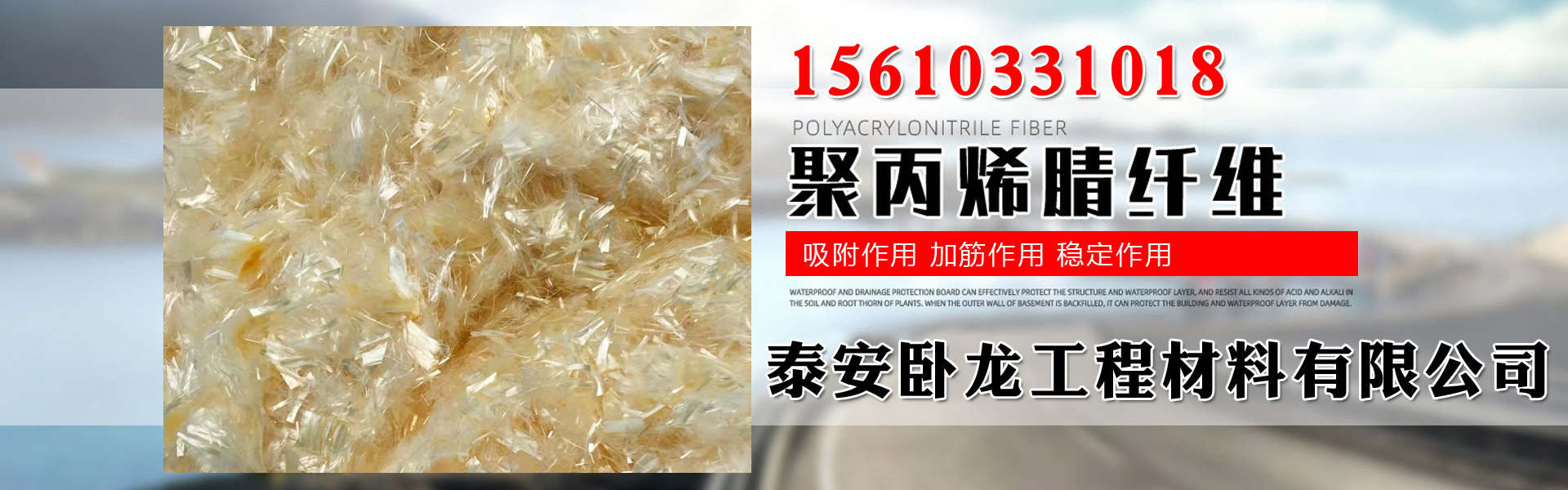
Polyacrylonitrile fibers have properties very similar to wool, offering good elasticity; when stretched by 20%, they retain a rebound rate of 65%. They are fluffy, curly, and soft, with superior warmth retention, 15% higher than wool, earning them the nickname "synthetic wool." Their strength ranges from 22.1 to 48.5 cN/tex, up to 1 to 2.5 times that of wool. They have excellent resistance to sunlight, with strength dropping only by 20% after a year of outdoor exposure, making them suitable for curtains, drapes, tents, and military uniforms. They are resistant to acids, oxidizing agents, and most organic solvents, but have poor resistance to alkaline substances. The softening temperature of the fibers is between 190°C and 230°C.
Acrylic fiber, also known as artificial wool, boasts softness, bulkiness, easy dyeability, vibrant colors, resistance to light, antibacterial properties, and resistance to moth damage. Depending on the requirements of different applications, it can be spun purely or blended with natural fibers. Its textiles are widely used in clothing, decoration, and industrial fields.
Polyacrylonitrile (PAN) fibers can be blended with wool to produce yarns, or woven into blankets, carpets, and more. They can also be mixed with cotton, artificial fibers, and other synthetic fibers to create a variety of garments and household items. The expanded PAN fibers can be spun pure or blended with rayon fibers.
