



 通过中商114认证
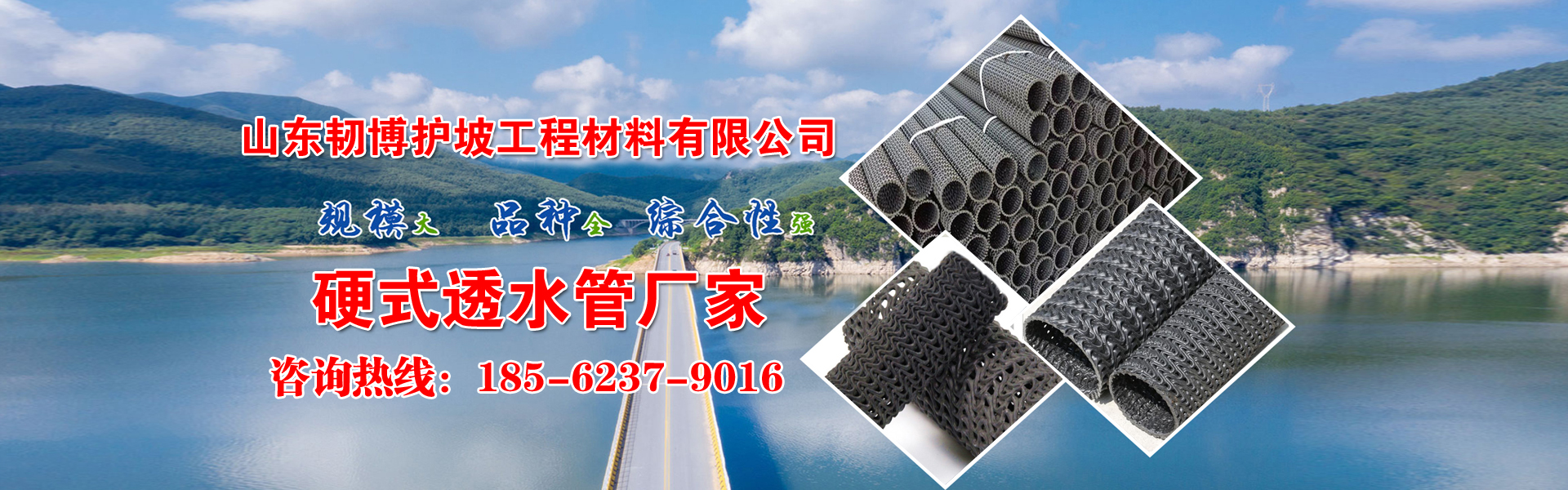
The rigid permeable pipe is made of PP as the core material, with thermoplastic synthetic resin as the main raw material. In the molten state, the extruded plastic fibers are melted and fused at the joints by a molding device, forming a three-dimensional mesh structure. The upper 2/3 section features small holes, while the lower 1/3 section is hole-free, preventing secondary leakage of groundwater and quickly draining it away.
Rigid pipe parameters: Water collection section: 65% - 75%, drainage section: 25% - 35%, main hole diameter: >3mm, main hole area: >7.5mm², opening rate: >8,000 holes/square meter (unfolded), hoop stiffness: >1.0 Kpa.
The main function of rigid drainage pipes is to collect and drain渗水 from soil. They are used to reduce groundwater pressure, eliminate excess moisture, and protect soil and structures from damage due to seepage deformation. They are widely used in underground drainage projects for civil engineering, transportation, water conservancy, civil construction, mining, and environmental protection projects. With the development of high polymer materials, plastic blind drain pipes were developed overseas in the 1970s. Rigid drainage pipes overcome the shortcomings of traditional blind drain pipes, offering high pore rates, strong compressive performance, large drainage capacity, and excellent durability. As a result, they have been universally welcomed in the engineering community and are widely applied.
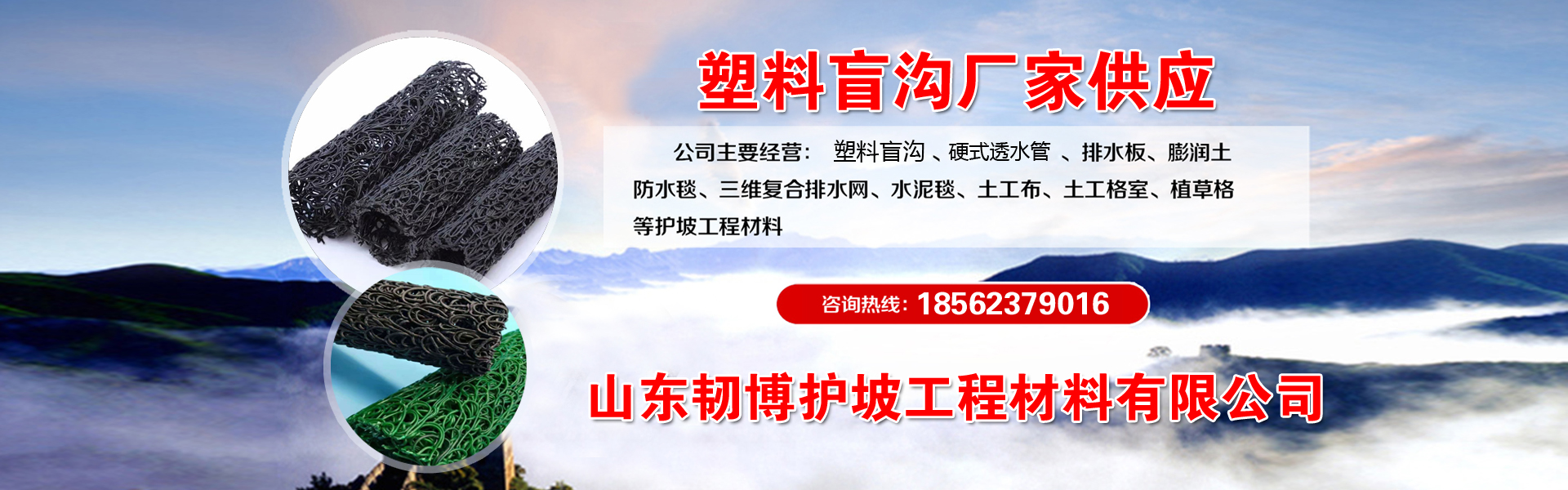
Since the 1980s, our country has been developing a new generation of plastic pipe materials, and by the early 1990s, products suitable for actual engineering applications were developed. The rigid permeable pipe is a three-dimensional, porous material formed by melting thermoplastic synthetic resin, extruding it through a nozzle to form fiber strands, and then fusing the junction points together. It is wrapped with geotextile as a filter membrane, available in four structural forms: porous rectangular, hollow rectangular, porous circular, and hollow circular, with various size specifications. Having been used internationally for over twenty years, it is widely applied in tunnel seepage and drainage, subgrade drainage for railways and highways, soft foundation embankments, retaining wall filter, slope and slope interior drainage, moisture-proof and drainage for underground structures, lawn collection and drainage systems, rooftop garden collection and drainage, as well as in sewage treatment plants and landfill sites, and has been warmly welcomed by the engineering community.
