

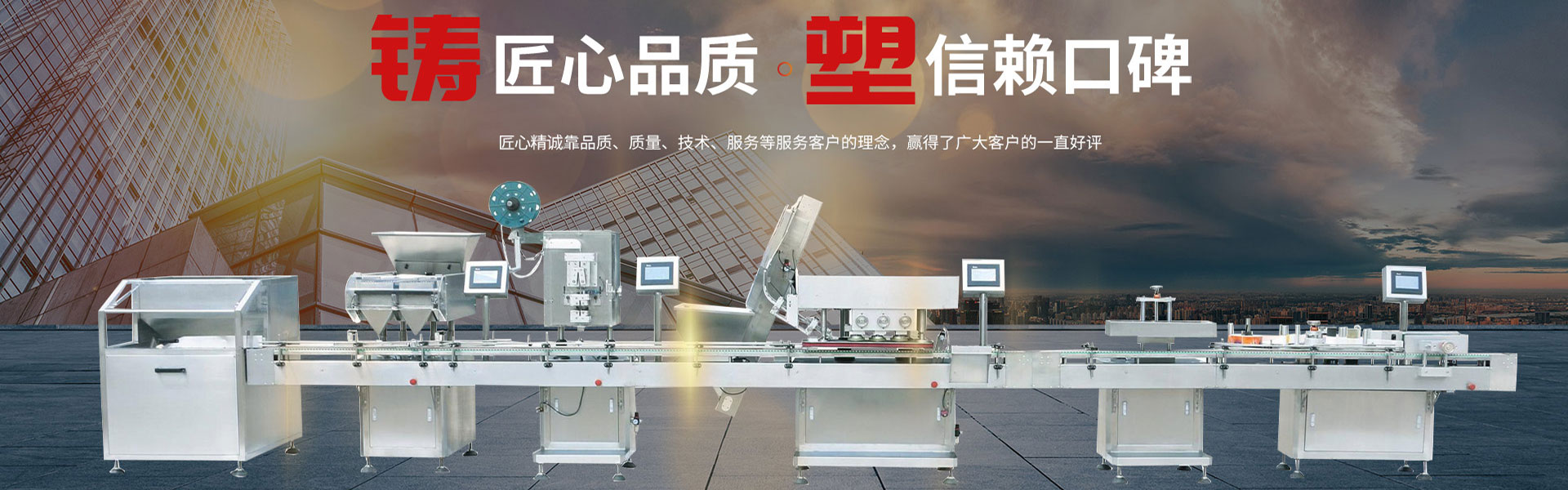

A small-scale granulator typically refers to a machine with a power rating of 2 kilowatts or less, featuring a compact design, and is either desktop or portable. The name of a small high-speed granulator varies depending on its application, such as laboratory granulators or household granulators. The granulation process involves a high-speed, angular blade rotating within a sealed granulation chamber, directly driven by the motor shaft at the bottom of the granulator. Materials are shattered upon contact with the rapidly rotating blades, achieving the granulation goal. Generally, after some time of use, due to the seal at the upper bearing section of the granulator gradually developing gaps, extremely fine dust can infiltrate the motor bearing, causing increased noise and vibration, and a rapid temperature rise in a short period.
In practical applications, due to the use of ultra-high-speed DC motors, heat generation is also higher, primarily occurring at the carbon brushes, commutators, and housing. During operation, the carbon brushes make contact with the commutator surface, transmitting the external power source (typically DC excitation current) to the rotor windings (excitation windings) via slip rings (mounted on the rotor and rotating with it). This serves to reverse the current direction, allowing the rotor to rotate in one direction by maintaining the DC current's entry point at one end of the rotor. The good contact between the carbon brushes and the rotor ensures the transmission of electrical energy to the rotor. However, due to the long-term friction between the carbon brushes and the commutator, wear occurs. When the length of the carbon brushes reaches the point of replacement, the supporting spring behind them no longer functions, potentially leading to poor contact between the carbon brushes and the commutator, causing the粉碎机 to fail to start when powered. To resolve these issues, simply replace the carbon brushes and clean the rotor head with alcohol.
