
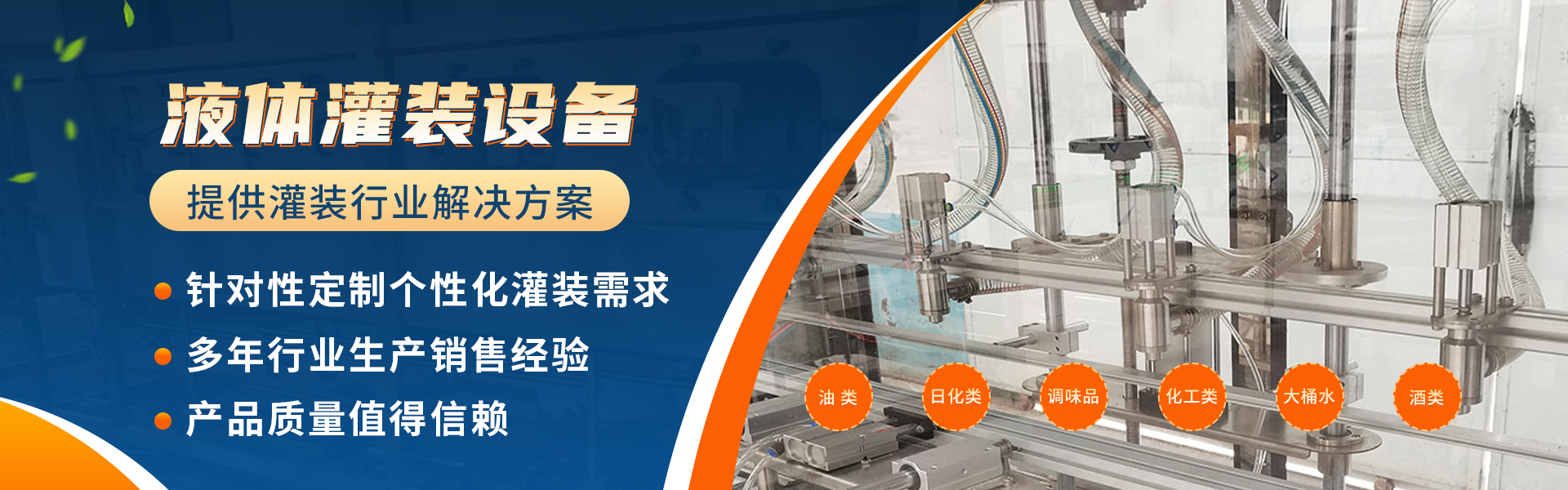
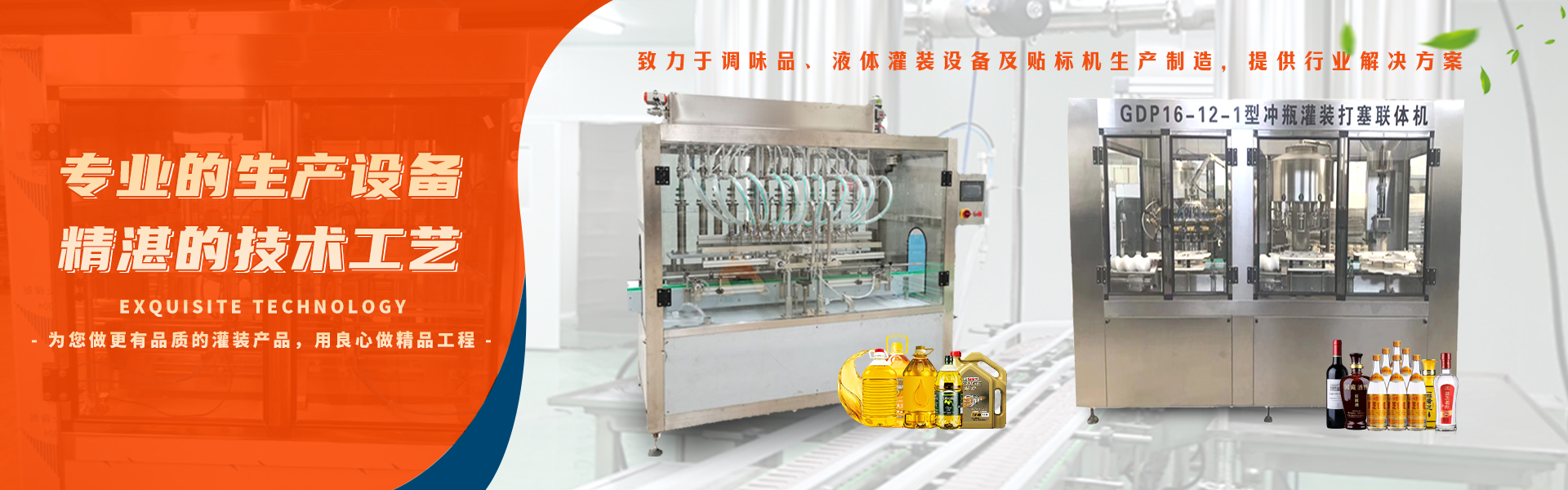

When packaging products through a liquid sanitizer filling machine, appropriate shell materials, fluid connection types, and sealing materials are required to achieve chemical and temperature compatibility, as well as cleanliness and hygiene standards. In some cases, heating the fluid channels may also be necessary to maintain the filling temperature.
The physical properties of the container and the handling requirements for liquid products will determine the appropriate nozzle size and type, as well as the need for submersion or underground filling. The container's characteristics will dictate the required nozzle type.
The process of a liquid bottling machine typically involves: stacking boxes filled with empty bottles on trays, which are then transported via conveyors to a stacker, where they are individually unloaded. The boxes and conveyors are sent to the unloading machine, where the empty bottles are removed. The empty boxes are conveyed to a washing machine, cleaned, and then transported to the side of the packaging machine for inserting bottles filled with beverages. When unloading empty bottles from the ship, what issues should be considered when selecting a disinfection liquid bottling machine?
1. We choose larger, more experienced manufacturers over product agents, as filling machines are equipment and regular agents struggle to provide adequate technical support. A filling machine brand isn't built in a day or two, so when purchasing automatic filling machines, we must pay attention to the current state of the packaging machinery industry.
2. Select recent manufacturers' organizations, as such issues arise during the operation of filling machines. This requires excellent after-sales service support, involving stacking boxes filled with empty bottles on pallets, which are then conveyed to a stacker where they are individually unloaded. The boxes and conveyor are transported together to the unloading machine, where the empty bottles are removed from the boxes. The empty boxes are conveyed to a washing machine, cleaned, and then delivered to the side of the packaging machine, ready for inserting bottles filled with beverages.
Bottles emptied from the unloader are conveyed to the washing machine via another conveyor belt for disinfection and cleaning. The bottles are inspected by a bottle sorter and, upon meeting cleanliness standards, are then fed into the filling and capping machines. The beverage is filled into bottles by the filling machine. The sealed bottles are transported to the labeling machine for labeling. After labeling, the bottles are sent to the disinfectant filling machine for packaging, then to the stacking machine, where they are stacked on pallets and delivered to the warehouse.
