


 通过中商114认证

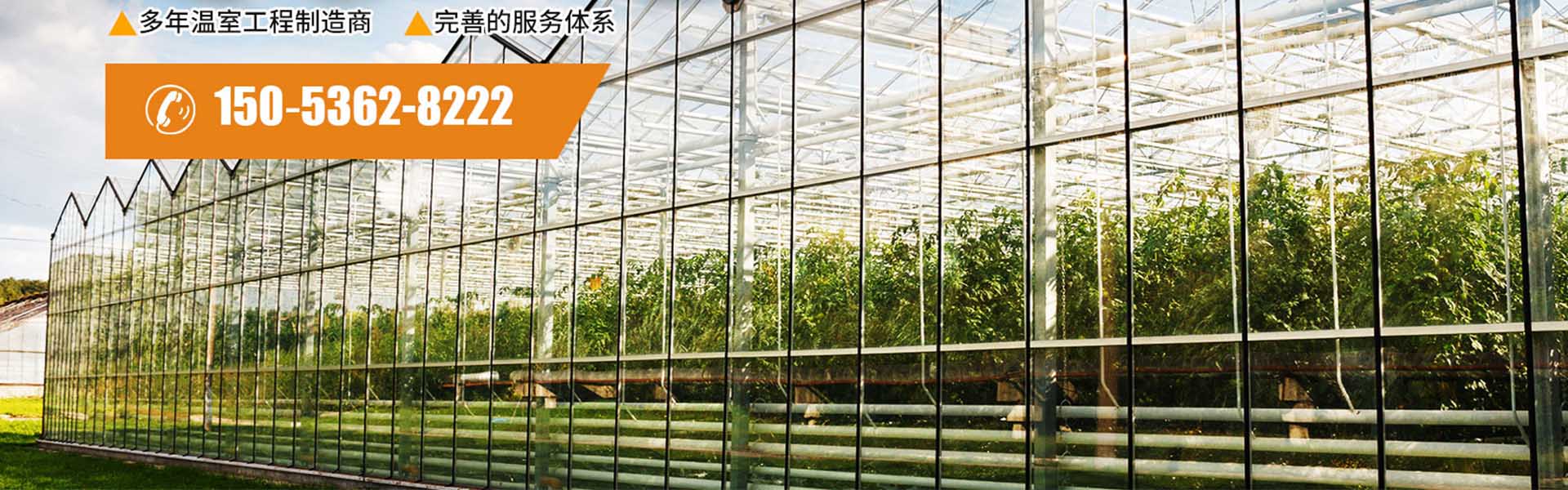
Compared to previous greenhouses, film greenhouses feature improved air circulation, enhanced ventilation, and larger interior spaces. Due to the improved ventilation, wind protection measures are well in place. Today, we will introduce the design and construction of multi-span greenhouses, as well as their wind protection strategies, to better understand multi-span greenhouses.
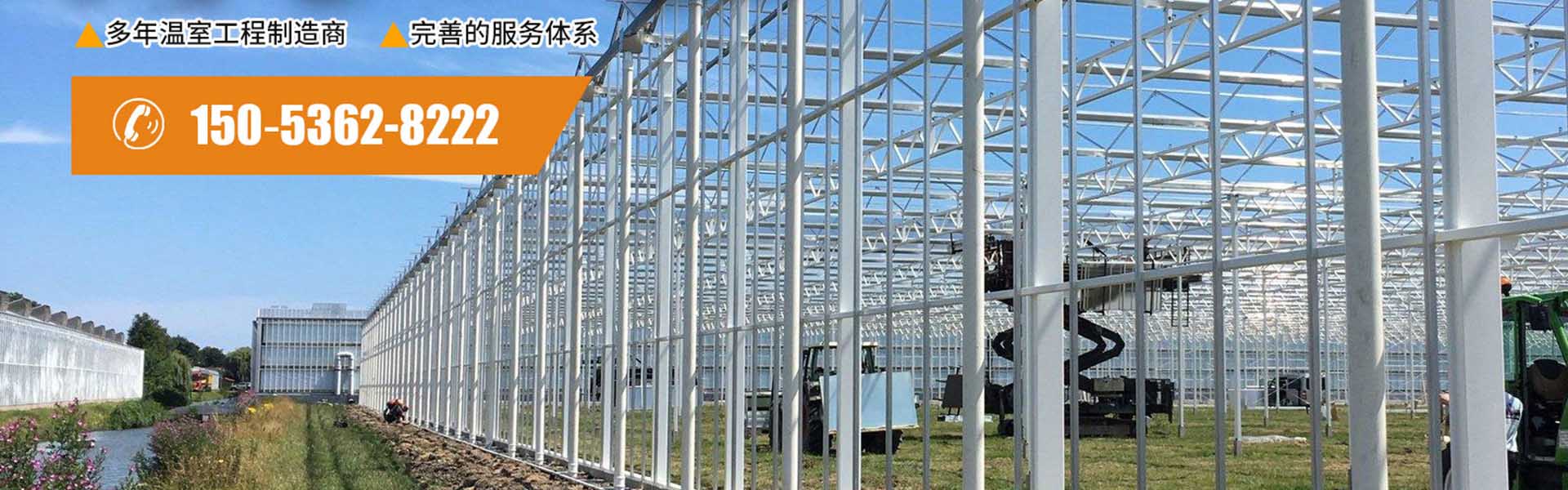
Spacious interior, high wind and snow load capacity, minimal shading, strong hanging functionality, and relatively low construction costs. The main structure of the greenhouse is made of hot-dipped galvanized pipes, with covering materials being plastic films (the top is mostly imported anti-drip film, and the sides are mostly imported long-lasting film).
Film Greenhouses and Multi-span Greenhouses
Be mindful to tune in and watch the weather forecast segments on the radio and TV. Pay attention to any days of recent strong wind conditions and take precautions in advance.
2. Be sure to inspect the sheds regularly and eliminate potential wind damage risks. First, check the laminated lines and retighten any that are loose. Replace any worn or damaged laminated lines promptly. Second, inspect the shed film for any damage. If any issues are found, they should be repaired as soon as possible.
3. Prioritize securing the slope cover behind the greenhouse. During production, after laying the cover, vegetable farmers often worry that it might be blown away, so they opt to cover it with floating film. However, the floating film can only cover about 4/5 of the entire grass cover area, meaning the grass on the greenhouse's rear slope is not fully covered. Therefore, it is necessary to secure the grass cover behind the greenhouse on top of the floating film.
4. Set up a "back cover" to prevent wind and movement inside the greenhouse. The so-called windproof rear cover refers to an additional one-meter-long and one-meter-wide film placed on the back slope of the greenhouse, matching the dimensions of the floating film. It is installed on the greenhouse roof, running east to west. On one side of the greenhouse film (about 20 cm wide), the soil is compacted. After placing the sod over the floating film, cover it again with the floating film to prevent the north wind from blowing into the film, thus avoiding damage to the film. Vegetable farmers refer to this film as the windproof rear cover. The installation cost of the windproof rear cover is not high, but it provides excellent wind protection.
