
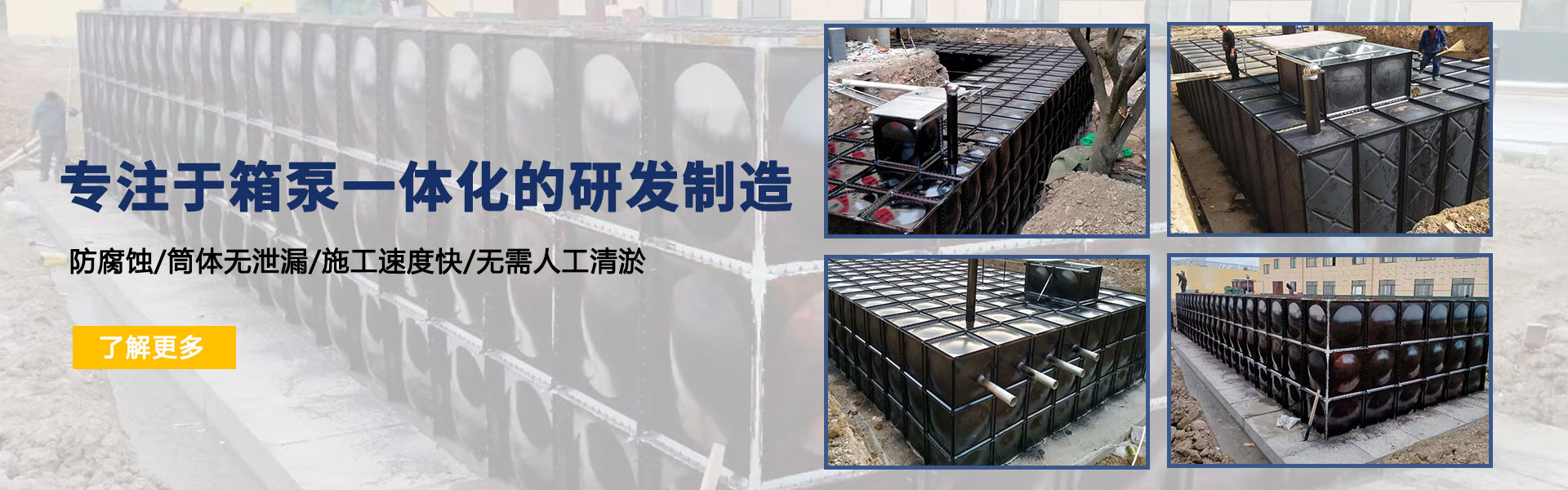

The purpose of cleaning and disinfecting water tanks is to ensure the cleanliness and safety of the water supply, in compliance with the secondary water supply hygiene inspection standards. With this goal in mind, let's take a look at how water tanks should be properly cleaned?
The steps for tank cleaning are as follows::
First, close the inlet valve and open the drain plug (or valve) to empty the remaining water in the tank, allowing the contents to be flushed out with the water; then, enter the tank and clean the sides and bottom with a clean mop or rag. For severe buildup, use a soft cloth with cleaning agent to scrub; next, open the inlet valve, pour in some clean water, and flush the walls and bottom of the tank, allowing the dirt to be drained out through the outlet. Repeat as necessary until satisfactory; finally, tighten the drain plug, open the inlet valve, refill the tank with water, and the cleaning process is complete.
Disinfectant Preparation Method After Water Tank Cleaning:
Disinfectant Preparation Method (Stabilized Chlorine Dioxide Preparation): For disinfecting a 1.0-ton tank, prepare 3kg of 200PPM concentration disinfectant solution. Method: Pour 80ml of the disinfectant concentrate into a container, add 8 grams of activator, shake or stir until dissolved, and after 5 minutes, when it turns pale yellow, dilute it with 8kg of clean water. For use, spray the diluted disinfectant solution on the inner walls of the tank to moisten it. After spraying, wait 6 minutes before filling with water for use.
Here's a brief introduction to the method of bleaching powder preparation:
Mix 300 grams of bleaching powder (or 150 grams of bleaching powder concentrate) with a small amount of water to form a paste, then add water to 10 kilograms and stir well. Cover and let it settle, then use the supernatant.
Dosage is calculated at 200ml of supernatant per square meter.
During the water tank cleaning and disinfection process, safety must be a top priority: Do not enter the pool without testing for oxygen levels. Use safety voltage lamps, ensure good insulation of the wires, and install a leakage switch. Wear non-slip shoes when working in the upper and lower tanks, and use ropes to transport tools and other items. Disinfection personnel must wear protective goggles and masks. After addressing these precautions, then proceed with the cleaning and disinfection tasks for better results!
News Center Co., Ltd.
