


 通过中商114认证
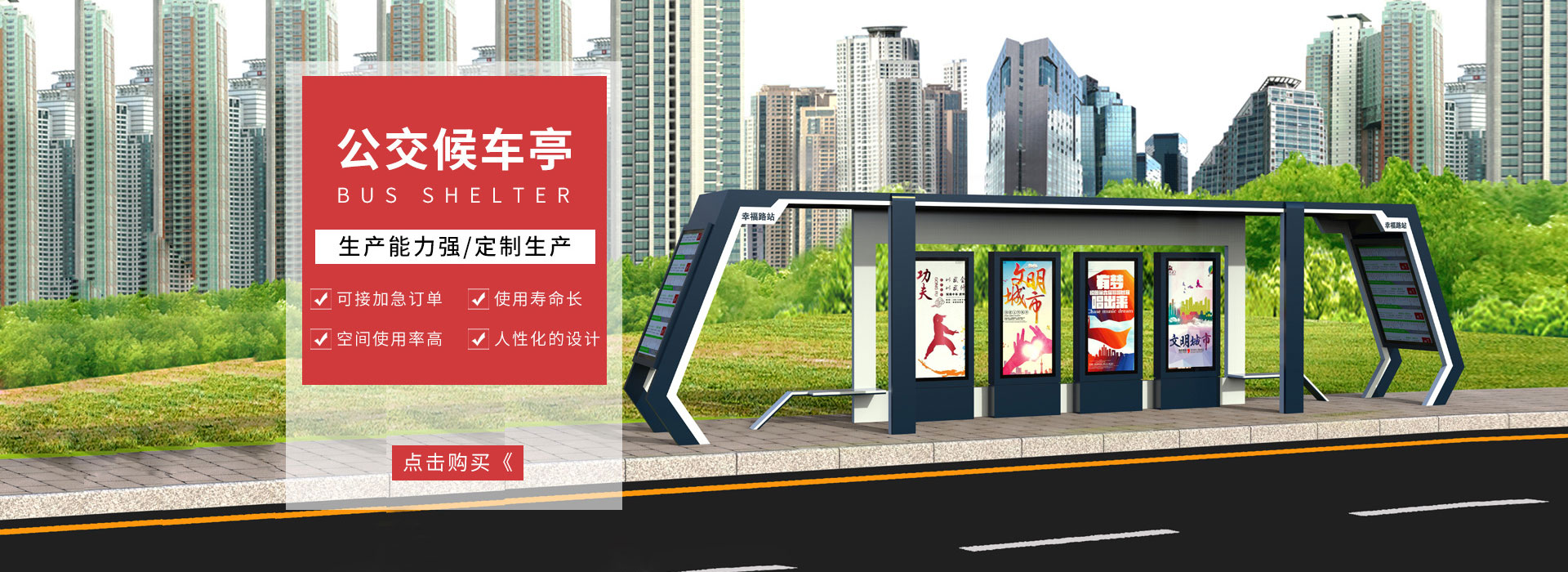
Bus shelters are both a window and a platform for showcasing a city's image, and they embody the progress of urban civilization while meeting functional needs and aesthetic requirements. As an essential piece of equipment in our daily commutes, bus shelters are often overlooked in terms of maintenance. We must ensure regular upkeep.
During routine maintenance of the bus shelter, it is essential to wipe clean any dirt immediately. Upon snowfall, the shelter should be cleaned and wiped as soon as the snow has been cleared. When wiping, use a clean, soft cotton cloth to ensure both the frame remains spotless and the shelter's longevity is extended. In case of any damage, it must be repaired promptly to ensure all functions operate normally.
Its primary function is to create and provide a convenient and comfortable environment for passengers during their waiting time, ensuring safety and ease during boarding and alighting. Therefore, the design not only features rain and snow resistance, windproofing, and sun protection, but also considers its outdoor environment, using durable and easy-to-clean materials such as stainless steel, aluminum, and glass.
The bus shelter design takes into account its outdoor environment, utilizing durable and easy-to-clean materials such as stainless steel, aluminum, and glass. The design maintains an open spatial composition. Additionally, the design emphasizes energy-saving and environmental protection features, utilizing solar energy to store electricity for the intelligent public transport system. Passengers can check their bus route and waiting time on electronic screens, and the system also provides an electronic map for out-of-towners, facilitating location and route inquiries.
