

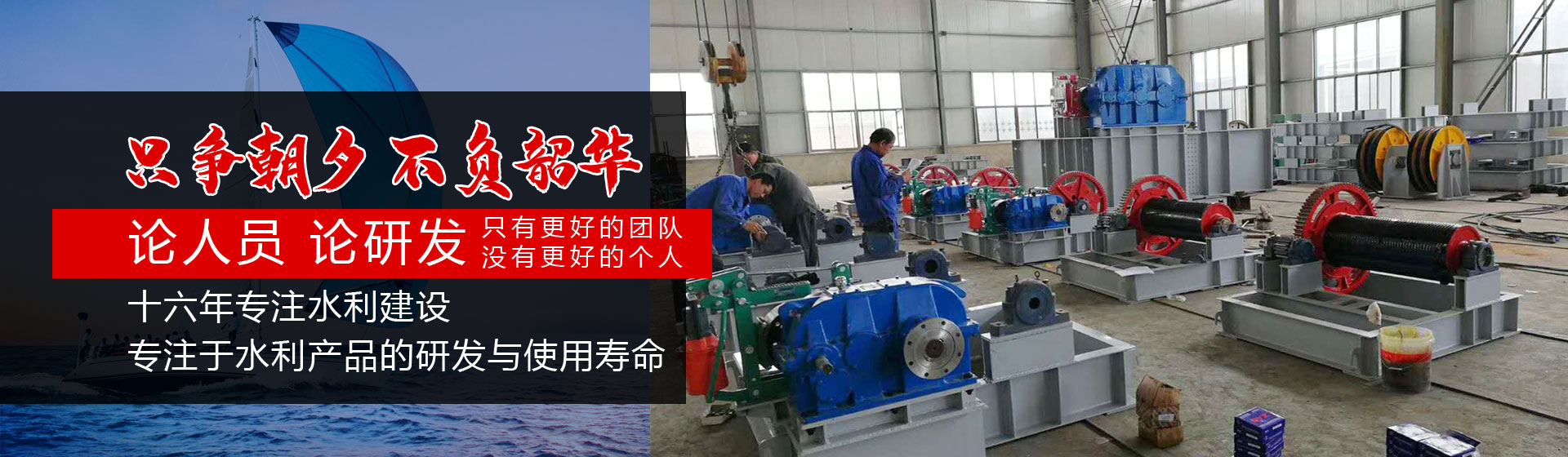
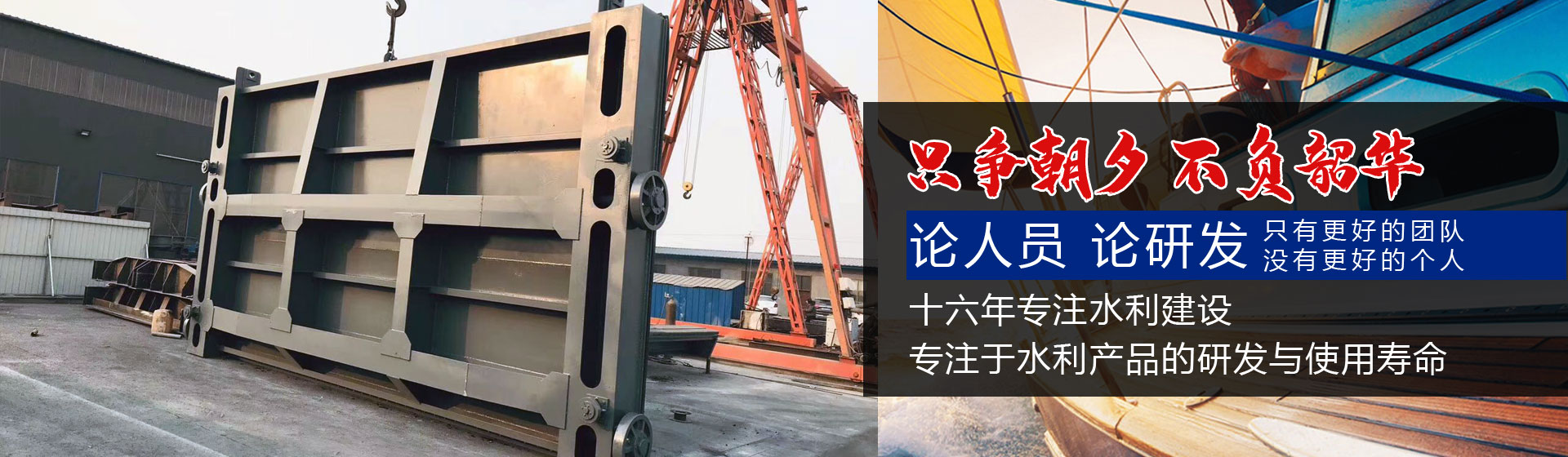

The格栅除污machine is widely used in wastewater treatment plants, stormwater pumping stations, water supply and drainage pumping stations, and water purification plant intake ports. It is designed to collect and intercept floating large debris and heavier accumulations (such as sand, small stones, etc.). Generally used as medium and coarse gratings, this grate is particularly suitable for installations with larger angles (such as 90°).
The格栅cleaning machine operates by the rake being in the open position, sliding down the guide rail. Upon reaching the bottom of the pool, the rake closure is initiated under the control of the rake opening and closing mechanism, capturing debris. Then, under the control of the rake lifting mechanism, it rises along the guide rail, reaching the slag outlet where the skimming mechanism completes the slag removal. Finally, under the action of the control components, the rake opens, slides down the guide rail again, and continues the next action cycle. This cycle can be automated.
The key process parameters of the grid are the grid spacing, flow velocity over the grid, and head loss. Grid spacing refers to the distance between adjacent bars; grids with a spacing greater than 40mm are coarse grids, those between 20-40mm are medium grids, and those less than 20mm are fine grids. The flow velocity over the grid is the speed at which wastewater passes through the bars and grid. The flow velocity should not be too high, otherwise, it may wash soft debris that should be intercepted. Conversely, if the flow velocity is too low, larger sand particles in the wastewater may accumulate in front of the grid.
