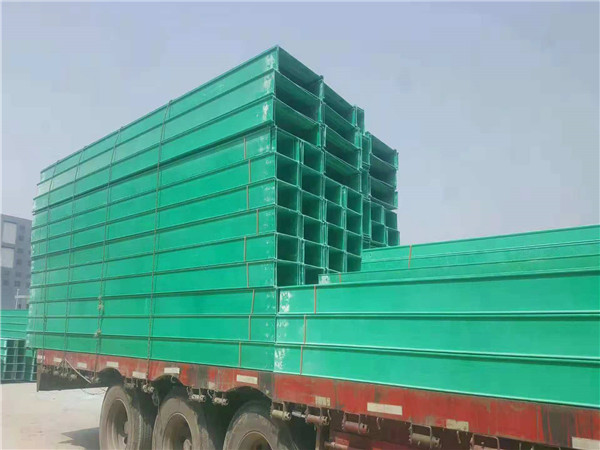

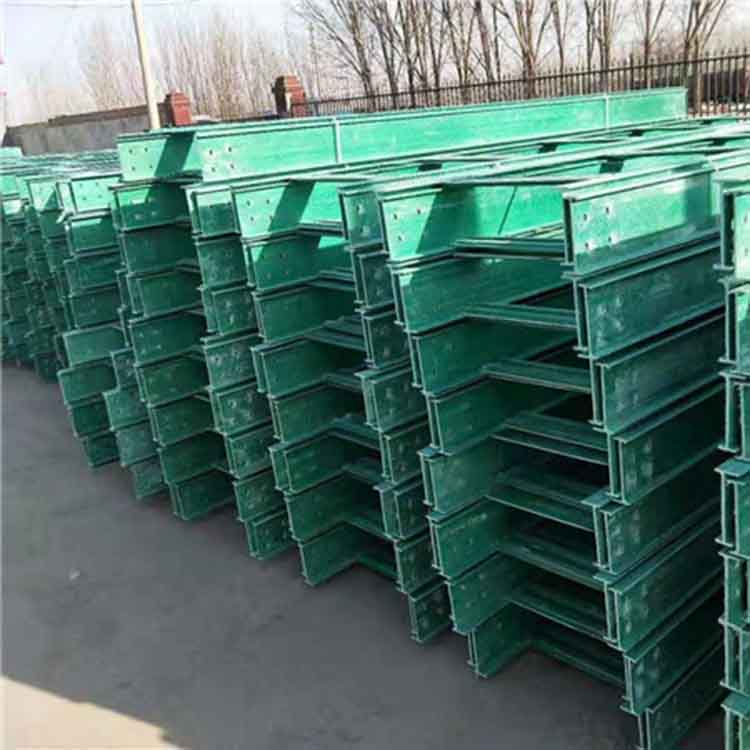

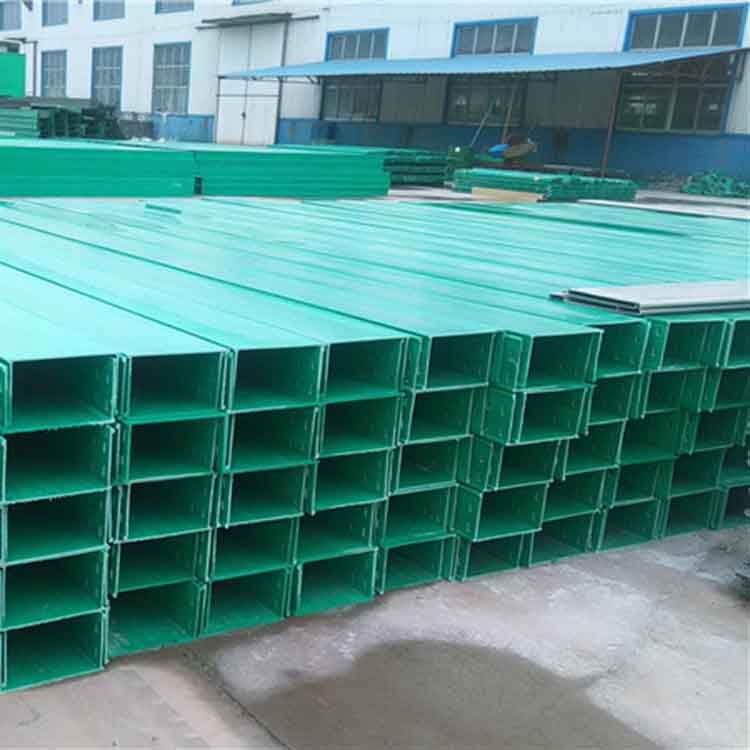
Fiberglass Reinforced Plastic (FRP)Bridge架The application of
Glass fiber reinforced bridge beams are widely used in the distribution and transmission equipment industry, featuring excellent corrosion and permeation resistance, overall good performance, strong shock resistance, high internal surface hardness, high smoothness, and the advantage of being non-porous.
FiberglassBridge架Key Features:
1. Anti-corrosion and anti-permeation properties
Choose high-quality, corrosion-resistant unsaturated polyester resin or vinyl ester for the inner layer, reinforced with high-strength surface mat or chopped mat, offering excellent sealing and no cracking.
2. Good overall integrity
Fiberglass Reinforced Plastic (FRP)Bridge supportThe tank is made using a monolithic molding process, featuring no joints, offering high bearing capacity, excellent rigidity, and strong impact resistance. The electrolytic reaction tank will not develop cracks after long-term use.
3. Exceptional performance
The glass fiber bridge supports are made of excellent insulating material, do not conduct impure currents, and do not leak electricity. The insulation resistance is greater than or equal to 10 to the power of 12 ohms both in normal conditions and after being submerged for 24 hours.
Relative dielectric constant not greater than 4.5, arc resistance greater than (s) 150
Leakage Tracking Index (v) > 180
4. Service Life
Glass-fiber reinforced plastic electrolytic reaction tanks commonly used indoors typically have a lifespan of around 30 years, with low operating costs and minimal maintenance requirements.
5. Lightweight quality
The glass fiber reinforced plastic (GFRP) bridge trunk has a density of 1.8~2.0 kg/cm³, approximately one-third of carbon steel in mechanical strength. It combines the rigidity of metal trunks with the flexibility of GFRP trunks, offering excellent corrosion resistance, strong aging resistance, attractive appearance, easy installation, and a long service life. Epoxy resin and epoxy resin composite cable trunks are suitable for use in harsh corrosive environments, large spans, and heavy load conditions.