
Glass Fiber Reinforced Plastic (GFRP) Bridge Trays
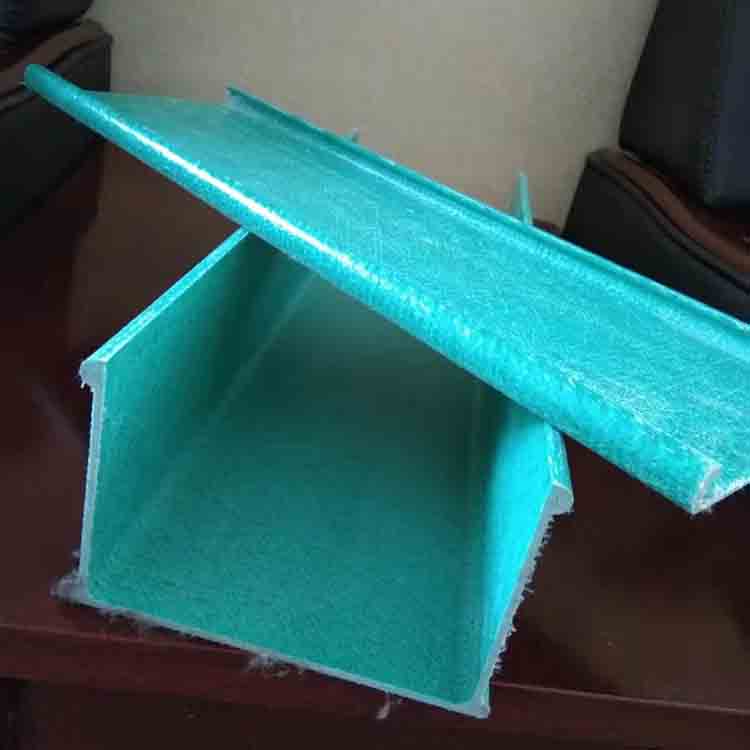
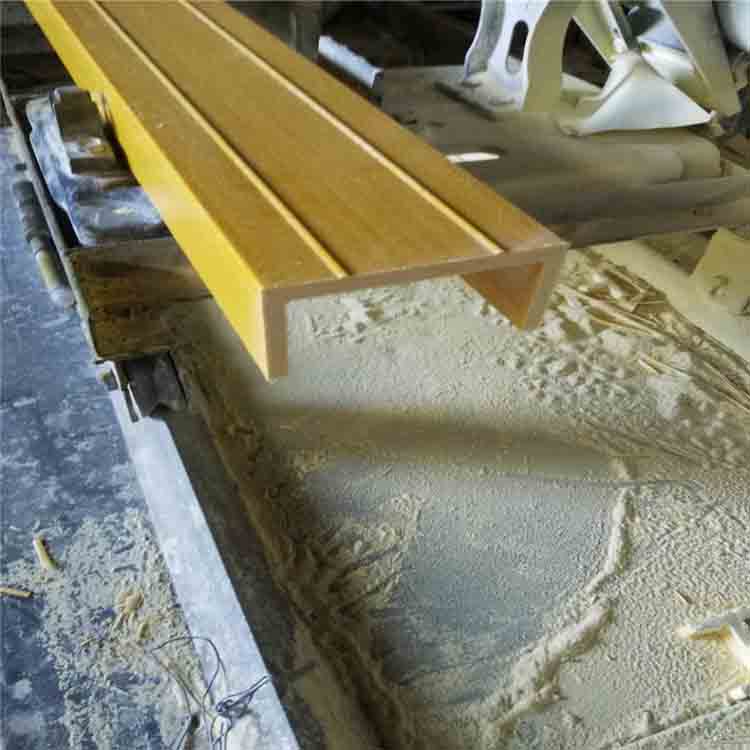
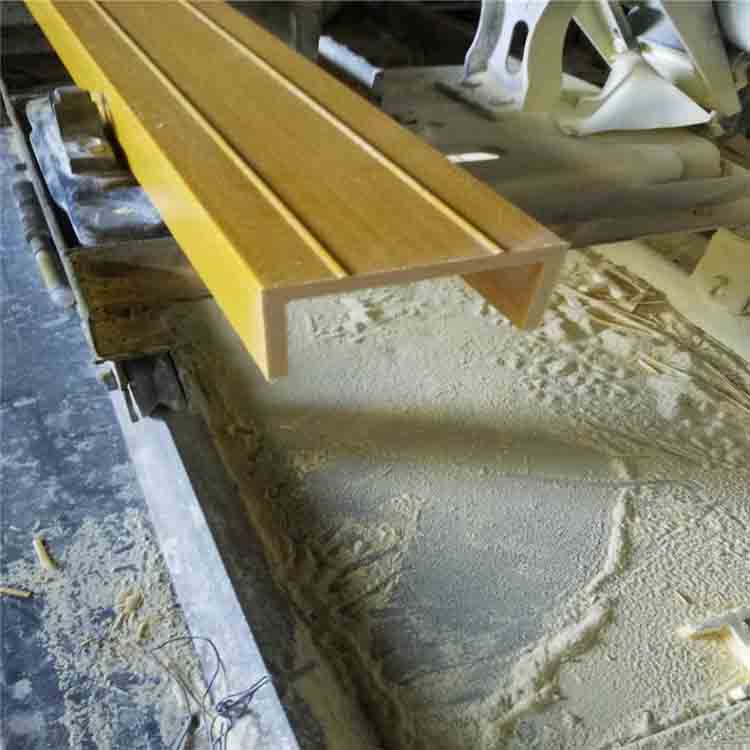
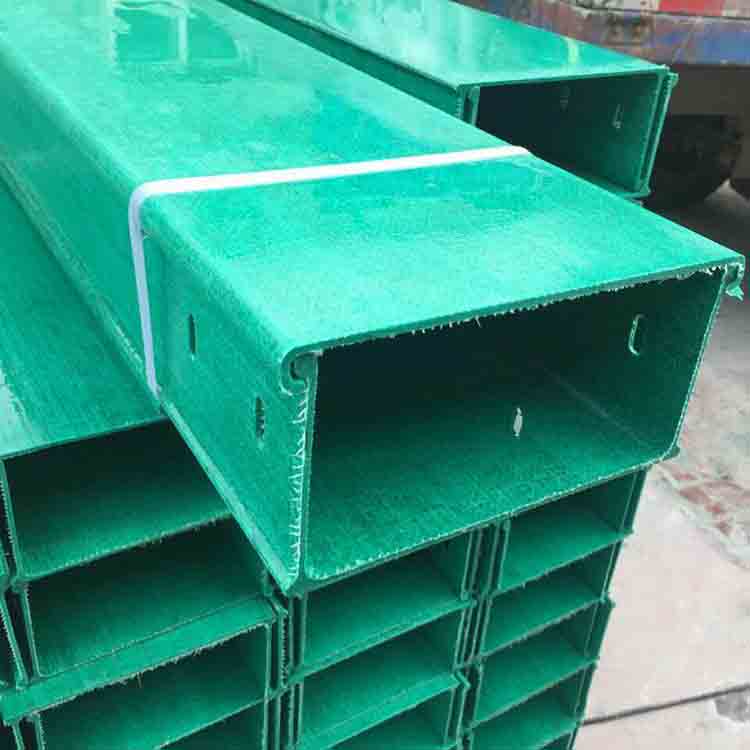
With its superior chemical corrosion resistance, lightweight strength, non-scaling, strong seismic resistance, longer service life compared to conventional steel bridge structures, lower overall cost, quick installation, and safety reliability, glass fiber reinforced plastic bridge structures have been widely accepted by users. These bridges are used in the petrochemical, chemical, and drainage industries. In recent years, the production of glass fiber reinforced plastic bridge structures in our country has developed rapidly, with the quantity increasing year by year and their application scope and departments expanding.
Lightweight yet hard, non-conductive, high mechanical strength, low recycling, and corrosion-resistant. It's precisely due to the dual characteristics of glass and steel.
Due to its high flexibility, we can manufacture multi-layer or sandwiched structures to enhance its rigidity. By using high-temperature-resistant resins, we can improve its heat resistance, thereby effectively avoiding these shortcomings. As for aging, it relates to the material's lifespan, and the lifespan of any material is limited.Fiberglass Reinforced Plastic (FRP)The bridge supports have a long service life, fully meeting people's needs.
Everyone knows that concrete blocks are durable under pressure, and steel is resistant to tension. Using steel as the skeleton and concrete, sand, and gravel as the muscle, they bond together, complementing each other's strengths, and become incredibly strong—their combination is reinforced concrete.
Just as concrete is produced, if we use glass fiber as the skeleton and synthetic resins (phenolic plastics, epoxy resins, and polyester resins) as the muscle, the integrated material can achieve tensile strength comparable to steel, while also combining the advantages of both glass and steel bridge structures.