




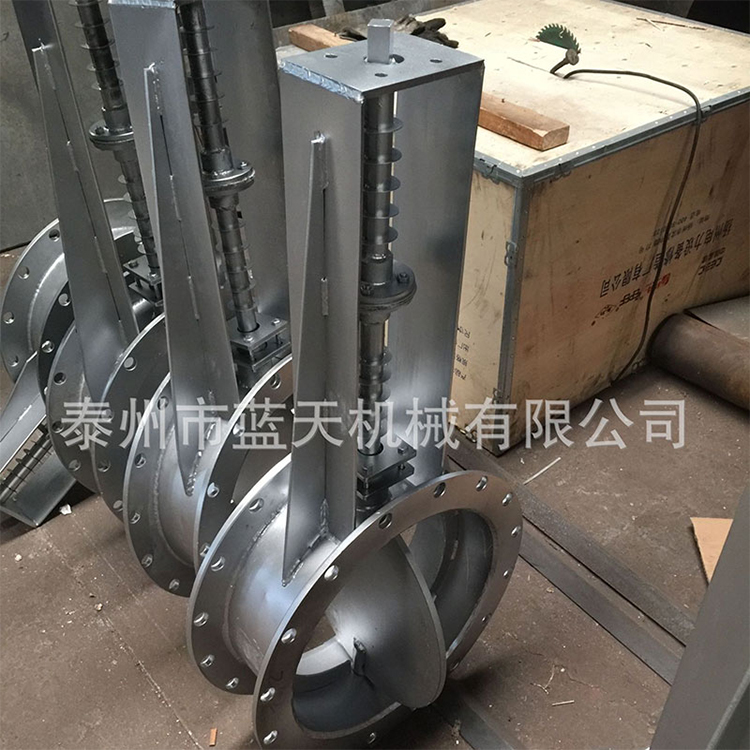
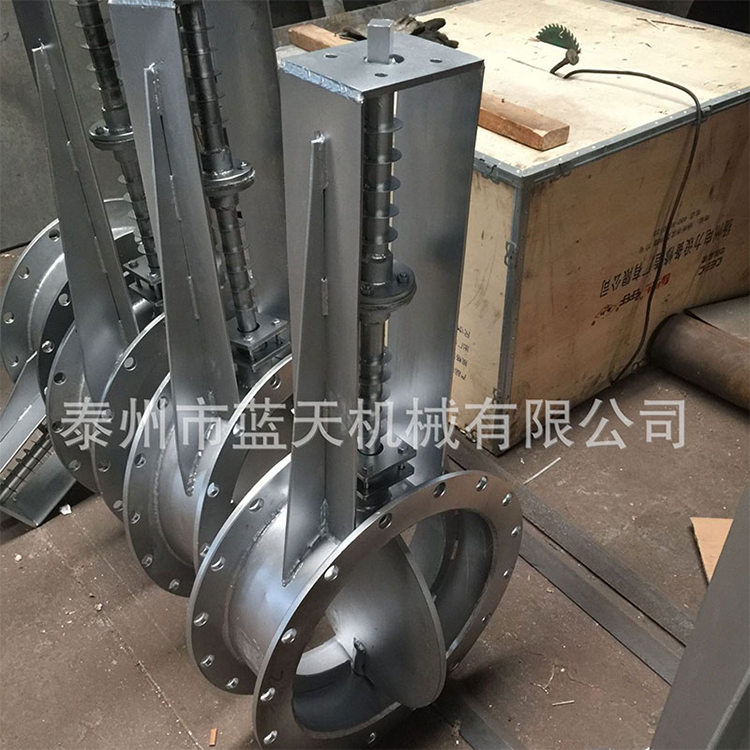
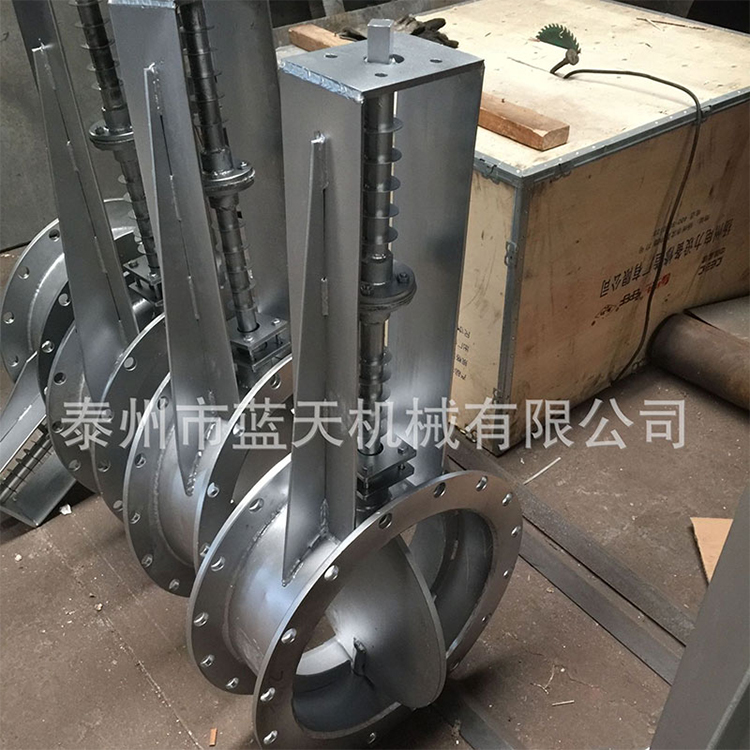
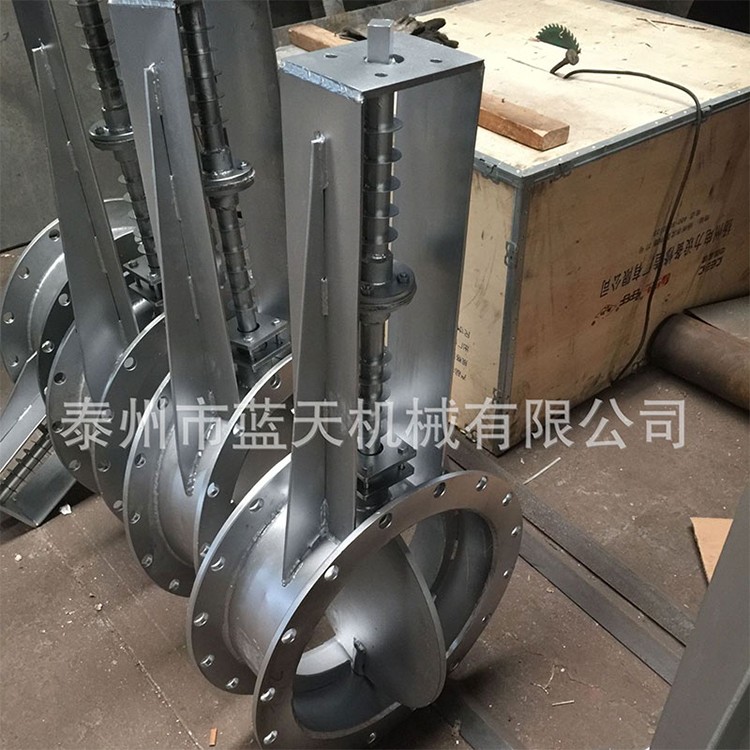
The wind door is categorized intoSquare Wind GateAndRound air doorAvailable in single-axis and multi-axis configurations, the installation position allows for either horizontal or vertical arrangement. Suitable for mediums such as coal powder, smoke, dust, and gas; operating temperature ≤ 550°C, pressure ≤ 0.35 MPa, and leakage rate ≤ 1% in a fully closed state. The air damper can fully open or close the flow of a medium through a specific pipeline or adjust the flow rate according to control. For smaller diameter dampers, it has dual functions of cutoff and regulating medium flow. For larger diameter dampers, the regulating function is less pronounced, primarily utilized for its cutoff function. This damper features flexible opening and closing, low driving torque, resistance to sticking in high temperatures, tight sealing, and the ability to withstand higher pressure and temperature within the system.
II. Categories
Discrete doors and adjustable doors, categorized by performance
Manual, Electric, and Pneumatic by drive type
Single-axis and multi-axis air gates, categorized by manufacturing process
Carbon steel air doors, stainless steel air doors, and rare earth wear-resistant air doors, categorized by material.
III. Structural Features
The baffle is of wing-type design, featuring internal support with external sealing at the front and rear shaft necks. The support area utilizes sliding sleeve structure, with excellent sealing gasket providing no leakage and high-temperature resistance. The support is fitted with self-lubricating, auto-aligning bearings, which can automatically compensate for axial alignment deviations of the front and rear shafts, ensuring minimal resistance, smooth operation, and no binding. The actuating mechanism of the damper can be directly mounted onto the damper body, eliminating the need for additional crank and connecting rod mechanisms. The seals between the baffle blades are of metal elastic design, offering excellent wear and temperature resistance, long service life, and ease of replacement.
Adjustable air gateUtilizing steel plate bending and welding structure, the blades feature a streamlined diamond shape with pointed ends at both ends, capable of altering the distribution of airflow wake. Its regulating characteristics are that within the blade opening range of 25 to 75 degrees, the drag coefficient is approximately linearly proportional to the opening. The damper is available with electric, manual, and pneumatic drive options; and with local, remote, and centralized control methods. The shaft end bearing is equipped with a sealed air interface, which can be connected to sealed air to prevent the escape of hot air (optional).
Adjustable air gates are available in two types: standard and sealed. Standard adjustable gates serve solely for adjustment and must be paired with other types.Insulated DoorContinuous use; A sealed-type regulating door has both regulating and isolation functions, which can eliminate the need for a shut-off damper or isolation door for small capacity units.
The blade edges and the internal frame of the sealed regulating damper are both sealed with stainless steel gaskets. When the blade is closed, it is tightly sealed against the steel pipe and the inner side of the frame, ensuring both a sealing effect and the ability to absorb the thermal expansion caused by the blade heating up.
Adjustable door bearing utilizes self-lubricating spherical roller bearings, capable of absorbing the deflection reaction force generated by the blade under pressure, thereby ensuring the wind door rotates smoothly without getting stuck.
Section 4: Order Requirements
1. Working environment, medium, operating temperature, and pressure.
2. Installed at pipeline location, either on a horizontal, vertical, or inclined pipeline.
3. Pipe Diameter
4. Function in piping: shutdown or regulation.
5. Operation requirements: electric, manual, or pneumatic.
6. Pipe connection type to the air damper (flanged or welded)
V. The air door manufacturer should provide the following data:
1. Plate resistance coefficient when the baffle is fully open.
2. Leak rate of the baffle in a fully closed state
3. Drive torque of the baffle
