
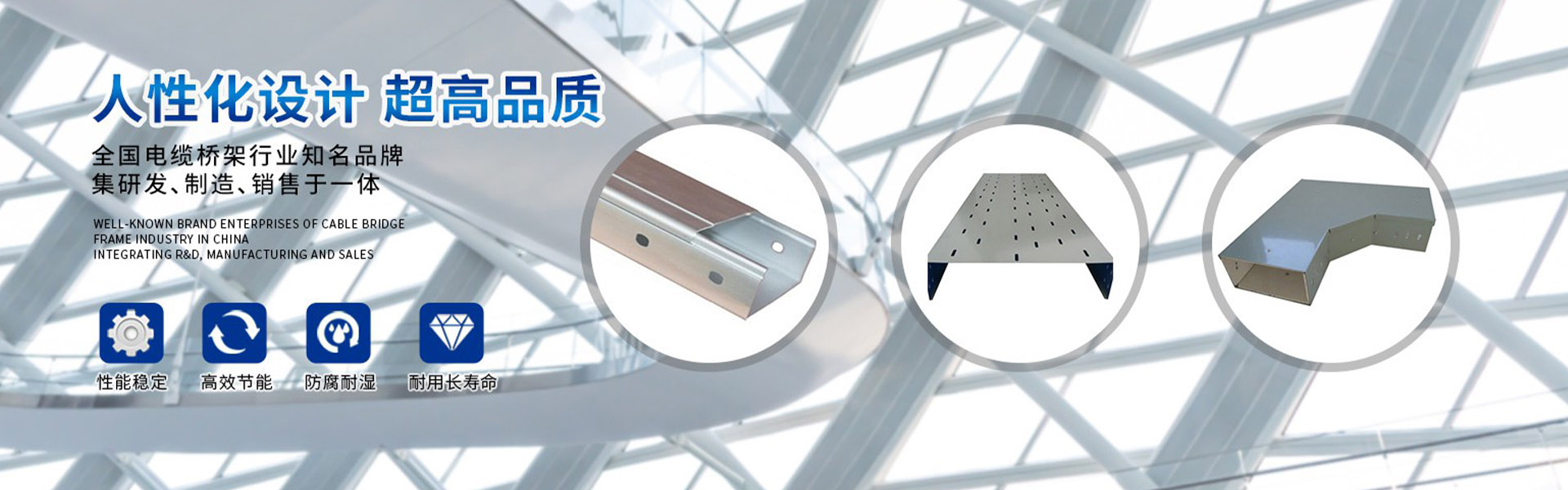
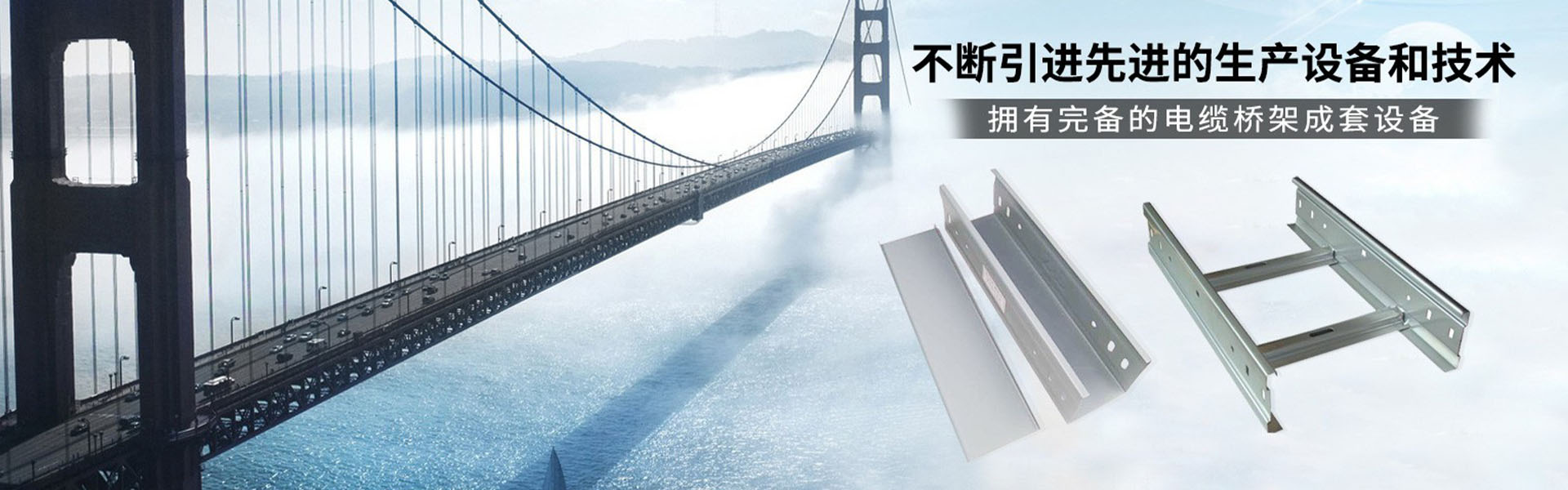

Tread: Abbreviation for the ladder cable bridge, a component that directly supports cables, consisting of two longitudinal side edges and several crossbars forming a trapezoidal shape.
Direct Path: A rigid straight-shaped component designed to directly support cables, which cannot be altered in direction or geometric dimensions.
Bend-Thru: A rigid non-linear component designed for direct cable support that can change direction.
Horizontal Bend: Components that change the direction of the bridge in the same horizontal plane are available in four angles: 30°, 45°, 60°, and 90°.
Level Three Tee: Components that connect bridge channels in three directions at 90-degree intervals on the same level, categorized into equal-width and widening types.
Dead Load: List and statistics of cable types, quantities, outer diameter, and weight per unit length, installed in cable trays, categorized by different laying routes.
Live Load: The weight of construction and maintenance personnel during the installation and maintenance of cable bridge supports
For light-duty cable trays, dynamic loads are generally not considered, meaning standing on the tray is not permitted. If human occupancy is required, the span should be appropriately reduced. Additional loads, specifically outdoors, refer to loads caused by snow, ice, wind, and electromagnetic forces. These are related to the local climatic conditions of the installation site and the nature of the charged objects. The design should calculate these based on various conditions.
