
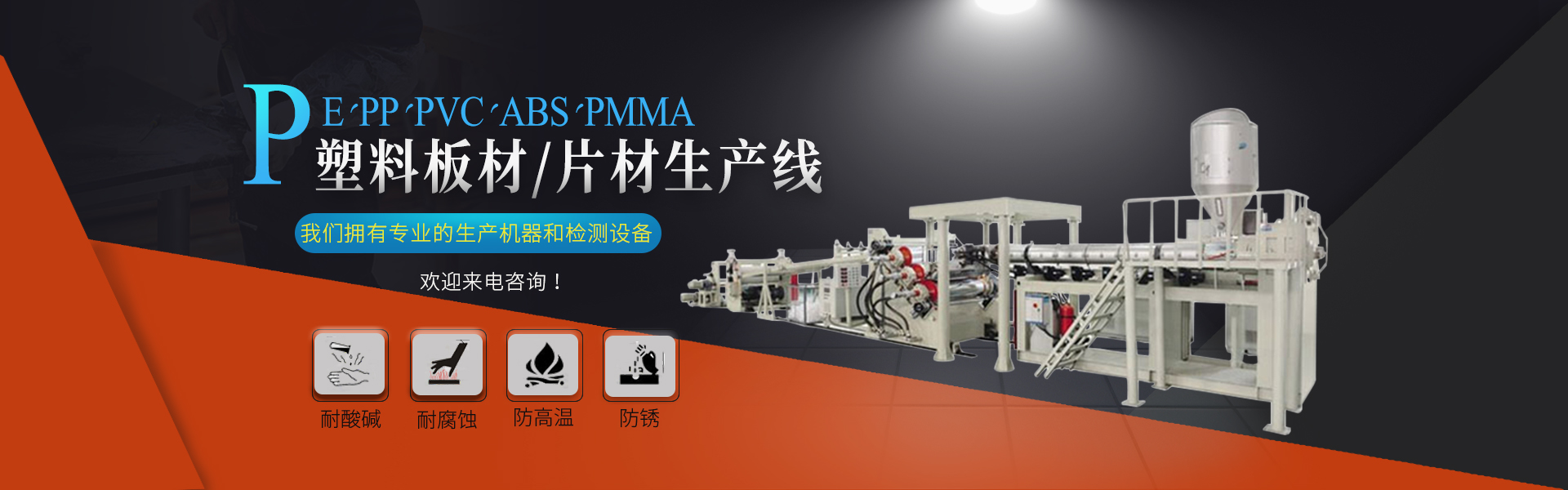

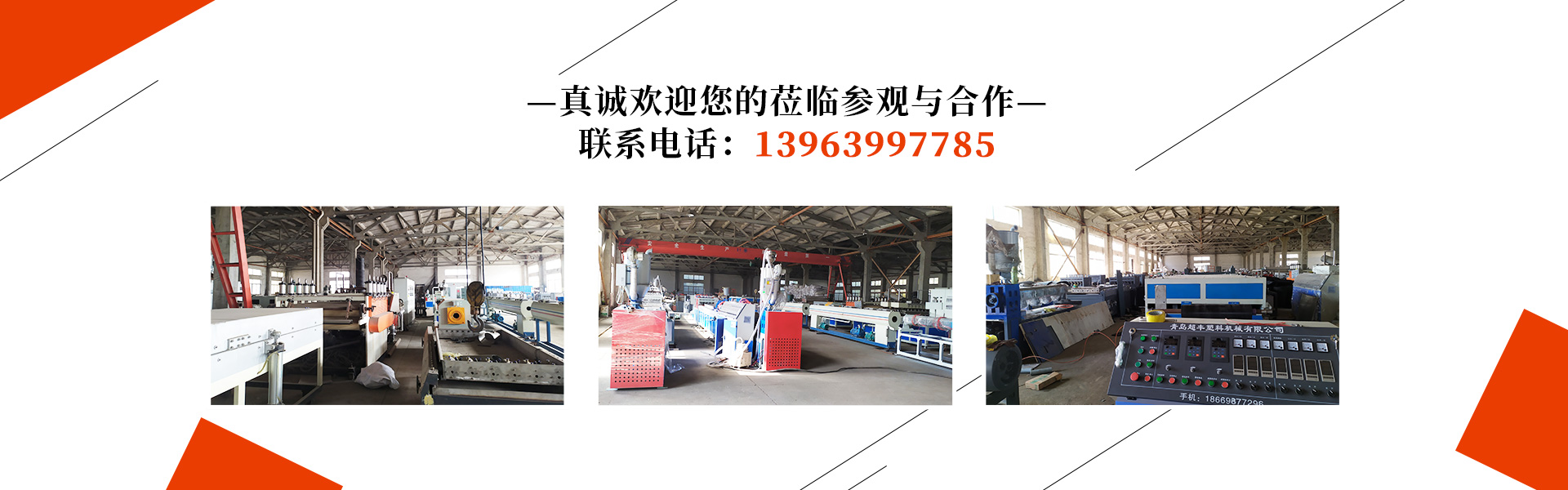

PVC Pipe MaterialsThere are numerous manufacturers out there, so today we're introducing a seasoned company with a good track record of producing quality products.PVC Pipe Production LineFrom Super Rich Plastic Machinery, join the factory editor to learn the relevant knowledge points.
Production Line Features
1. We have chosen spiral pipe, which is specifically designed for HDPE and PP large-diameter thick-walled pipe fittings. It features low melt temperature, excellent mixing properties, low mold core working pressure, and stable production, with significant advantages.
2. PLC has implemented program trading operations in a timely manner, equipped with excellent industrial touchscreens. All processing parameters can be set and displayed through the touchscreen. It can be installed with a marking linear extruder to produce pipe fittings with colored road marking lines in accordance with national industry standards. 3. Vacuum pump mouth mold boxes are used, which are professionally designed for multi-stage control of vacuum values. This ensures the stability and concentricity of HDPE and PP pipe materials. Extruders and unwinding machines are equipped with imported brand variable speed motors and control systems, offering high reliability, precision, and stability.
4. Utilizing technical mold and refrigeration systems, opting for shrinkage moisture conditioning and water ring refrigeration to meet the specifications of HDPE and PP materials, ensuring stable diameter and concentricity for the high-speed production of thick-walled pipes.
PVC/PE Pipe Production Line (Multi-tube)
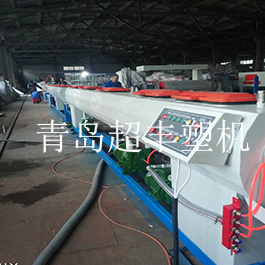
PVC (PE) porous pipes, also known as plum blossom pipes or honeycomb pipes, are so named due to their cross-sectional shape resembling osmanthus flowers. This type of porous structure in the construction of shock-resistant, pressure-resistant, and highly wear-resistant clothing allows for excellent natural barrier protection for wiring pipes. It simplifies construction, speeds up cable installation, and has strong adaptability to construction environments, thereby reducing project investment. Today, they are widely used in various industries such as telecommunications, power engineering, and cable and optical cable laying for the broadcasting network.
