




- AllProduct Category
-
Electric Steam Generator
High-Temperature Sterilization Pot for Food
Mini Edible Mushroom Sterilization Pot
Medium-sized Edible Mushroom Sterilization Pot
Large Edible Mushroom Sterilization Pot


详情描述
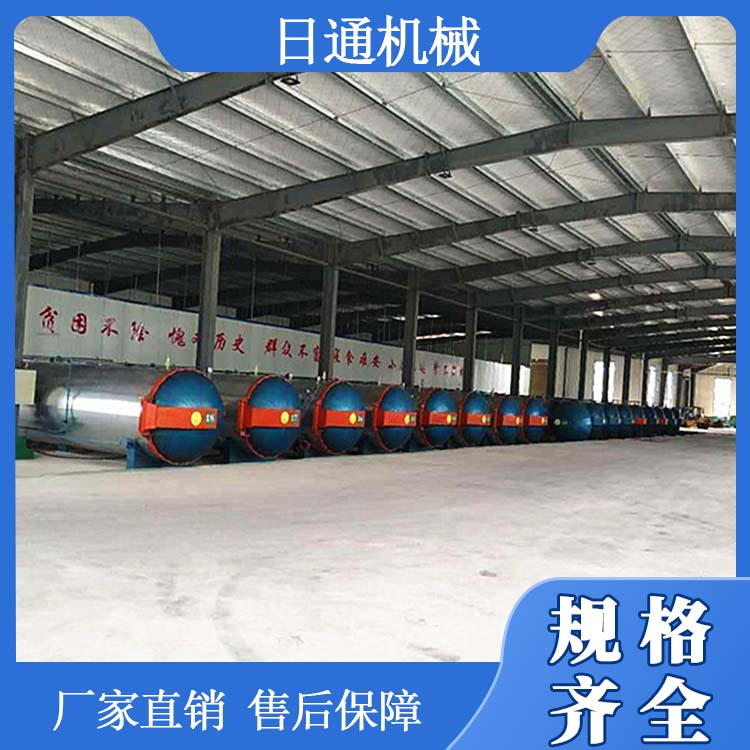
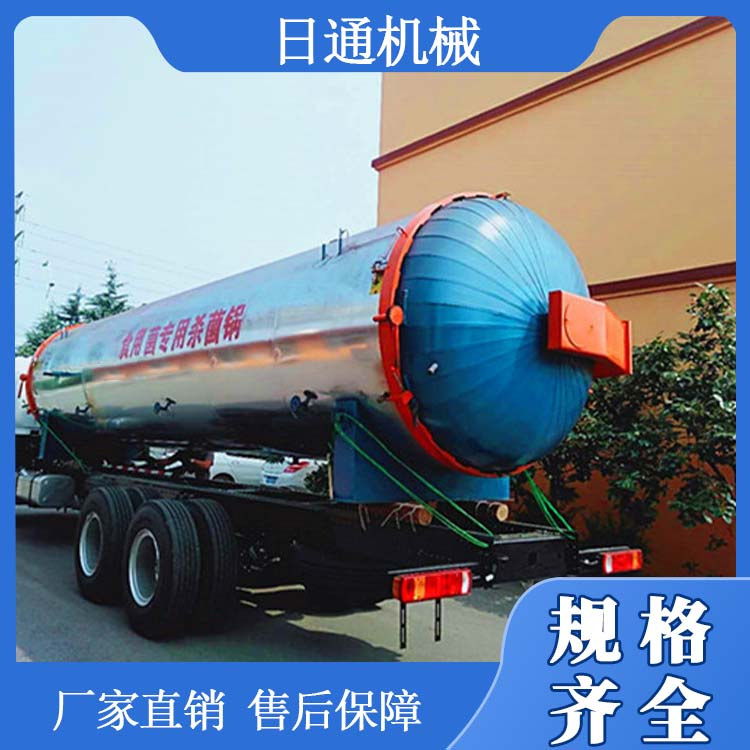
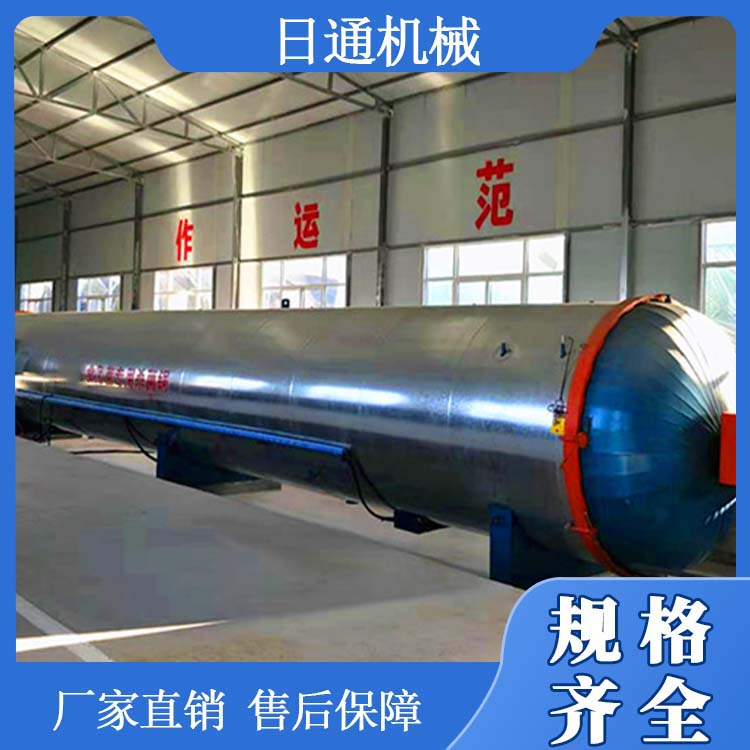
Reasons for using sterilization pots: Since the substrate for edible fungi is typically made from materials like wood chips and wheat bran, which contain numerous contaminants, the substrate must be thoroughly sterilized before planting to prevent contamination. If the sterilization is incomplete, the residual contaminants in the substrate will compete with the edible fungi for nutrients, leading to poor quality mushrooms at best and no mushrooms at worst. The edible fungi sterilization pot is a device for sterilizing various types of mushroom blocks, capable of conducting sterilization treatments according to high-temperature and high-pressure standards. The number of substrate blocks the pot can hold can be adjusted according to demand, and it can complete processes such as heating, sterilization, and cooling. Currently, edible fungi sterilization pots utilize computerized automation control, with substrate blocks placed on trolleys for easy transport into the pot for sterilization. After sterilization, the blocks are cooled and then ready for planting.
Basic Requirements for Sterilization Kettles:
Connect the control box of the electric heating system to the edible mushroom sterilization pot, ensuring the connection is correct and free from any bias issues.
2. The water-separation valve should be cleaned monthly to facilitate the release of cold air and maintain temperature.
3. The exterior of the sterilizer and the interior of the sterilization chamber must be kept clean and dry.
4. Ensure the thermal insulation effect of the external layer on the sterilization pot for edible mushrooms.
5. Door frames and rubber rings must be free of damage, and the steam inlet must not be blocked. It's necessary to apply talcum powder on the rubber strips after use each day to extend their lifespan.
6. Probes and water level gauges should be cleaned regularly.
7. The door interlocking mechanism must be flexible and reliable, allowing for smooth operation.
8. Equipment certification procedures, safety valves, and pressure gauges are to be reported and inspected.
9. Sheet Thickness: Need I say more? It's a no-brainer that the thicker the sheet, the longer its lifespan.
10. Working Conditions: During the sterilization pot operation, high temperatures and pressures must be set. Long-term use maintains low corrosion in the tank, thereby extending its lifespan. This is the principle of not wearing out but simply aging.
11. Material: The sterilization pots for edible mushrooms are available in two types: stainless steel and carbon steel. Both can withstand high temperatures and high-pressure environments during the sterilization process. The raw material cost for stainless steel is higher than that for carbon steel, so fewer people opt for stainless steel. However, it has a significantly longer lifespan.
【Usage Precautions】:
Prior to use, inspect the sterilizer and its external components for any abnormalities. If any are found, address them promptly to ensure normal operation before using the sterilizer.
2. Turn on the power switch, open the steam valve, water valve, and compressed air valve, and check the conditions.
3. Close the back door, open the front door for loading. After loading, close the front door and verify the sterilization parameters are correct before initiating the sterilization program, then switch to automatic operation.
4. Upon completion of the sterilization process, close the steam valve, water valve, open the back door, and wait for the steam in the interior chamber to dissipate before removing the sterilized items. After removing the items, turn off the power and the compressed air valve. The sterilization chamber will be very hot at this point; keep the back door open temporarily until the interior chamber has cooled completely, as closing it prematurely may create a vacuum due to cooling.
5. Note: Avoid leaving the door closed for extended periods after sterilization. If the door remains closed for too long, the interior will cool and create a vacuum, which requires air to be returned before the door can be opened. This may affect the sterilization effectiveness.



