




- AllProduct Category
-
Electric Steam Generator
High-Temperature Sterilization Pot for Food
Mini Edible Mushroom Sterilization Pot
Medium-sized Edible Mushroom Sterilization Pot
Large Edible Mushroom Sterilization Pot


详情描述
[Product Introduction]:
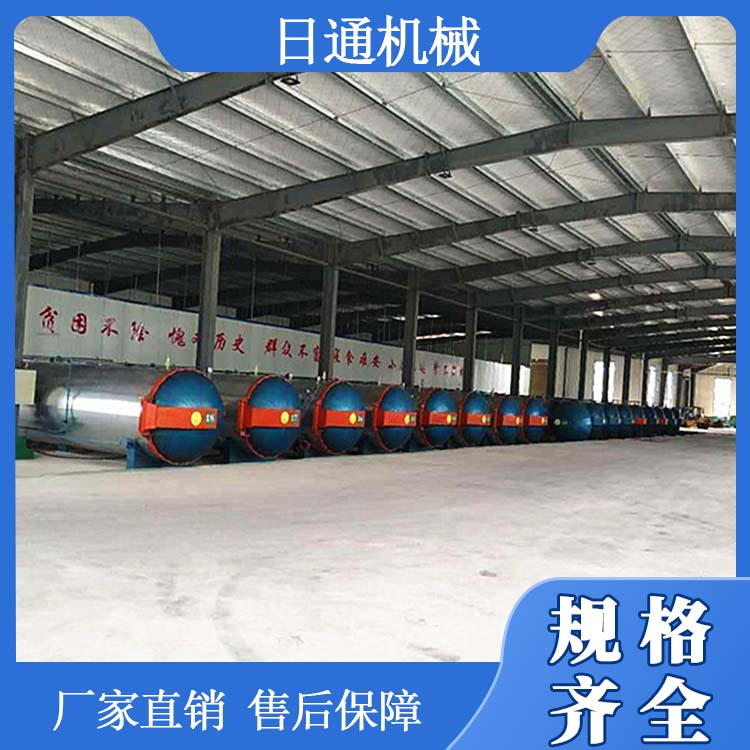
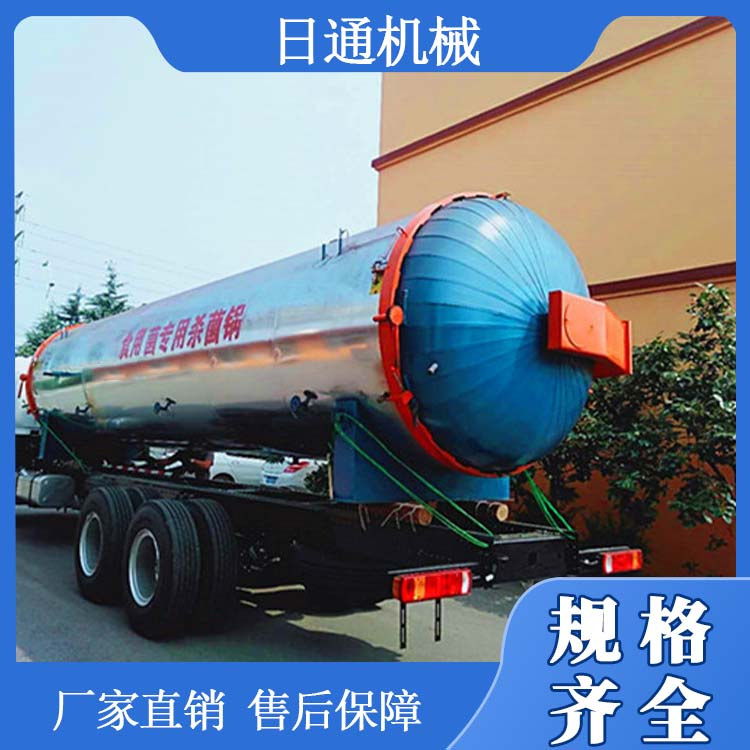
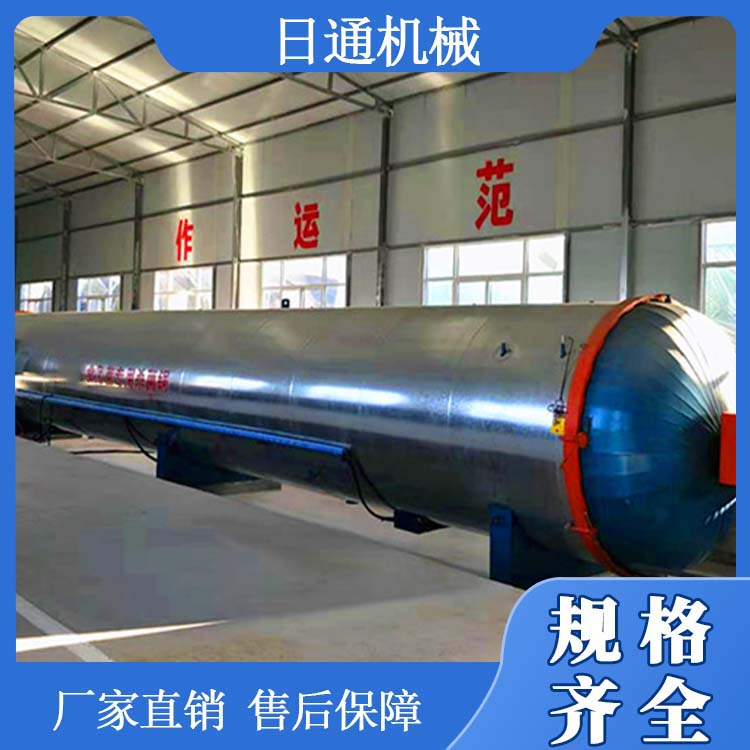
1. The sterilizer top features a pressure supplement, relief valve, exhaust, valves, pressure gauge pipe outlets, and is equipped with an insulating layer for effective energy conservation.
2. The door opening method is: manual quick-open design with a safety interlock device, which meets the needs of rapid production while ensuring the personal safety of the operators.
3. The sterilization equipment allows for segmented setting of temperature, pressure, and sterilization time, and is equipped with automatic control, saving labor and reducing the risk of operator errors.
[Operation Process]:
1. Installation complete
2. Place into the sterilization pot and close the pot door.
3. Inject steam into the pot while simultaneously opening the exhaust valve to expel the cold air inside. Once the cold air is fully expelled, close the exhaust valve and allow the temperature inside the pot to gradually rise with the increase in steam pressure. When the pot reaches the desired pressure, control the heat source to maintain the pressure for the required duration.
4. After the sterilization time has elapsed, open the exhaust valve to allow the sterilization pot to cool down naturally. Then, lift the lid and remove the sterilized items.
【Handling Instructions】
Keep the exterior of the sterilizer and the sterilization room clean and dry.
2. Frames and gaskets must be free of damage, and the intake port must not be blocked. Apply talcum powder to the seal strip after use each day to extend its lifespan.
3. Regularly clean the probes and water level gauges.
4. The water separator should be cleaned once a month to facilitate the exhaust of cold air and maintain the temperature.
4. The door interlock mechanism must be flexible and reliable, allowing for smooth operation.
Maintenance and Care of Sterilizing Kettles
1. The sterilizing pot is equipped with safety valves, pressure gauges, thermometers, and other accessories, which must be complete, sensitive, and reliable. Maintenance and regular calibration should be performed during use. The safety valve's activation pressure of this equipment equals the design pressure and should remain sensitive and reliable, preventing arbitrary adjustments. The pressure gauge and thermometer both have a precision level of 1.5, and differences within the tolerance are normal. Lead-sealed pressure gauges must not be used; if the pressure gauge fails to indicate, the scales are unclear, the dial is cracked, the gauge does not return to zero after depressurization, or the seal is damaged, the gauge should be immediately replaced. The thermometer should be regularly inspected and calibrated with a standard thermometer before use.
2. Sterilizing pots should be inspected regularly, with at least one external check every six months and one full inspection annually. Preparations and items for the inspection should be conducted according to the "Regulations" and relevant provisions, and the inspection report should be archived for record-keeping.
3. During use, frequently apply grease and oil to the sliding and rolling contact areas of the inclined self-locking wedge, roller, pot lugs, swivel flange, etc., to ensure the friction surfaces remain lubricated.
4. If the sealing ring on the pot body flange becomes worn, damaged, or excessively worn, it should be replaced promptly to ensure a seal and prevent leakage.
5. When the equipment is shut down, the interior and exterior surfaces of the sterilization pot and lid should be cleaned thoroughly. The exposed processing surfaces should be coated with anti-rust paint, and the safety detection control instruments should be covered and protected.



