
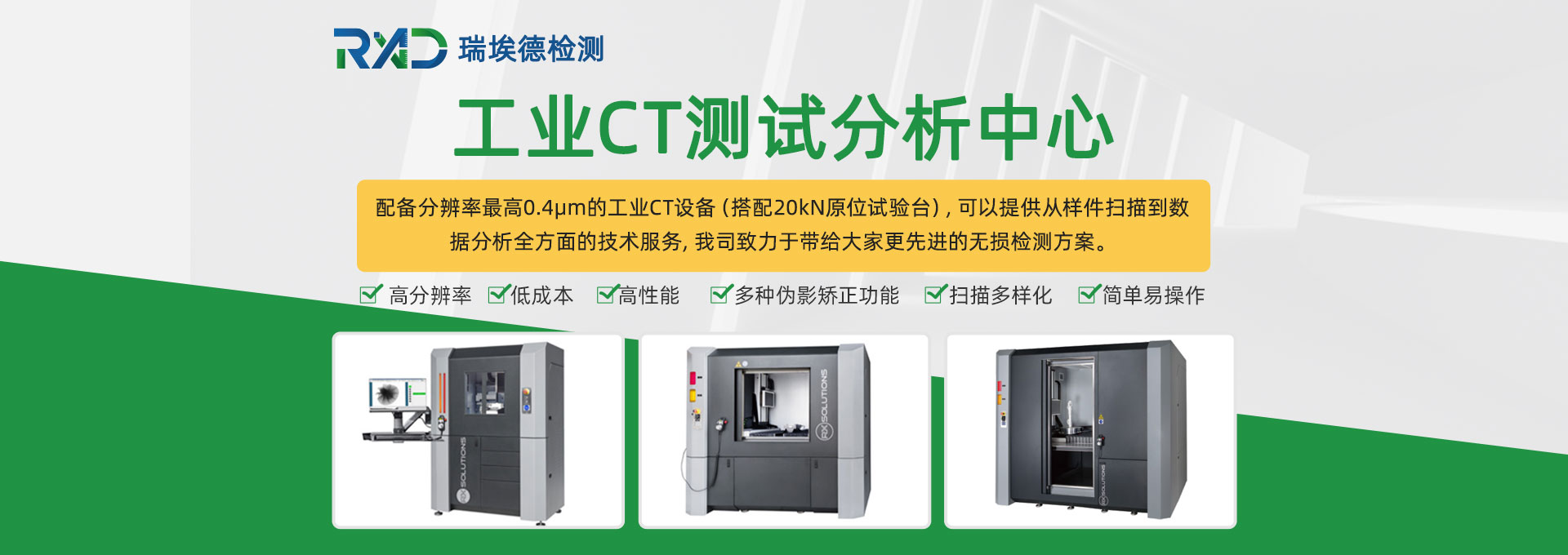
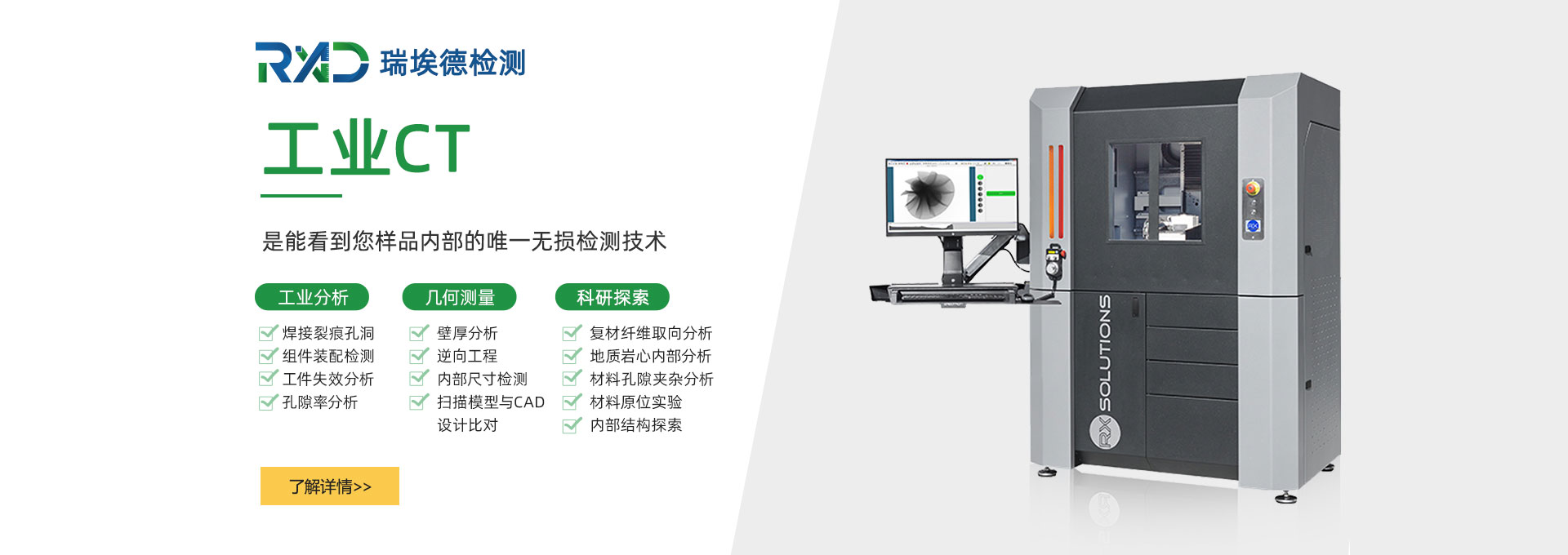
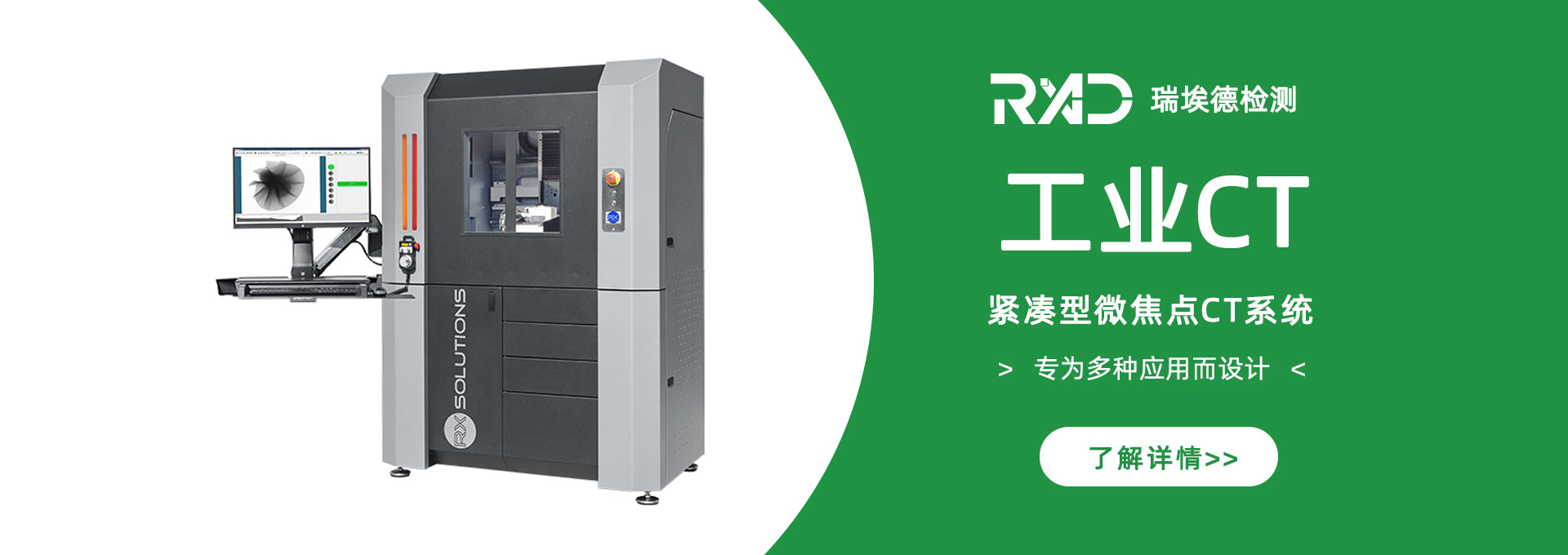

Industrial CT systems have gained widespread application in various industries, particularly earning recognition from enterprises. Consequently, developing online inspection equipment with a variety of CT detection technologies is one of the analysis projects. In industrial production, not only is the working environment relatively better, but it can also be somewhat harsh, with high temperatures, dust, and mist. Therefore, different industrial sites should be developed for real-time inspections.

Since the 1980s, major industrialized nations worldwide have applied X-ray or gamma-ray ICT in CT inspections across sectors such as aviation, military, metallurgy, machinery, oil, electricity, geology, and archaeology. In the 1990s, China began to gradually integrate ICT technology into the industrial CT system domain. Online inspections can be used in industrial production to enhance the precision of measuring objects, enable real-time detection, promptly adjust production equipment, ensure quality, effectively boost production efficiency and pass rates, while also providing economic benefits to the enterprise.
Common industrial CT systems used for X-ray flaw detection include optical inspection, laser inspection, image inspection, eddy current testing (ECT), radiographic testing (RT), ultrasonic testing (UT), magnetic particle testing (MT), and liquid penetrant testing (PT). Other non-destructive testing methods include AE, TIR, LT, ACFMT, MFL, RFT, TOFD, etc.
The Industrial CT system utilizes thermal, acoustic, optical, and reaction changes caused by abnormal internal structure or defects in materials, such as electrical, magnetic, physical, or chemical methods, sample surface and internal structure, properties, states, and defect types, nature, quantity, shape, location, size, distribution, and changes, without damaging or affecting the performance.
