
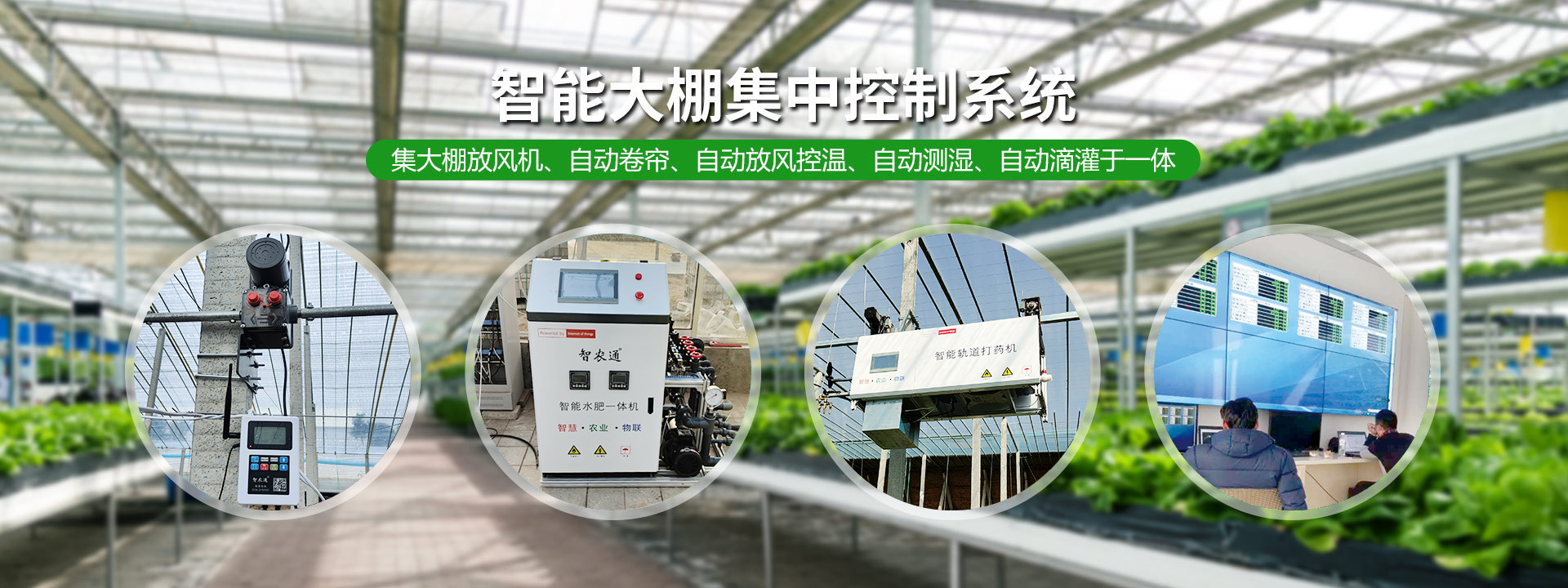
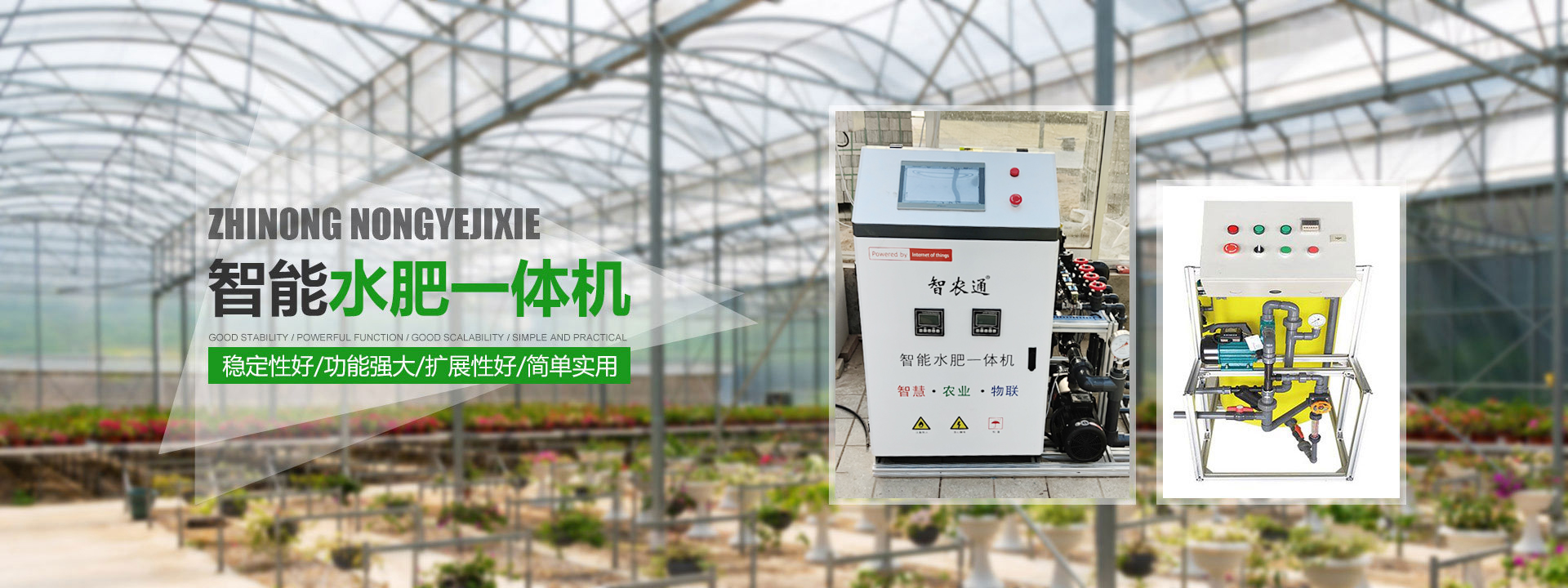

The application of water and fertilizer in agricultural cultivation is quite important. To maintain the good growth of crops, it is necessary to provide them with adequate water and fertilizer. Currently, many agricultural planting processes lack a standardized fertilization practice, which often leads to over-fertilization of the soil and excessive water and fertilizer issues. To reduce such situations, many farmers are now adopting integrated water and fertilizer systems in their fields, making fertilization and irrigation more intelligent.
Integrated technology is a new agricultural technique that combines irrigation and fertilization. It integrates the soluble solid or liquid fertilizers with irrigation water through a pressure system (or natural terrain gradient), then combines the water and fertilizer before applying it uniformly, at regular intervals, and in precise amounts to the crop growing area. This combination maintains the soil in the main development zone loose and with an appropriate moisture content. Additionally, it designs the requirements for different growth stages based on the specific fertilizer needs of various crops, soil environment, nutrient content, and fertilizer demand patterns, regularly quantifying water and nutrients and supplying them directly to the crops in proportion. The integrated system also allows for real-time monitoring of irrigation and can automatically control irrigation water supply times, fertilizer concentration, and volume. During the development of the integrated instruments, the entire system coordinates effectively, significantly enhancing the efficiency of irrigation water use and meeting rational irrigation requirements.
Integrative Water-Fertilizer System is a versatile solution that can be installed in various locations, both in facility agriculture and large fields, significantly enhancing the efficiency and accuracy of farmland production. This integrated technology merges irrigation and fertilization. It can be mixed with water and fertilizer based on soil nutrient content and crop fertilization requirements, ensuring that the nutrients reach the plant roots without deep-seated loss. Not only does it meet the water and nutrient needs of crop growth, but it also boosts the utilization of water and fertilizer and safeguards groundwater from chemical impact.
