

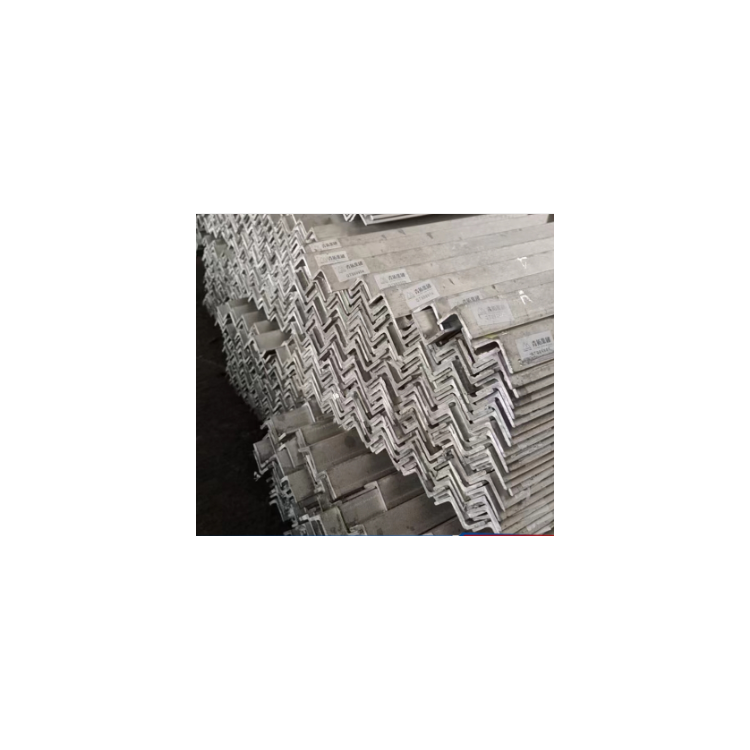
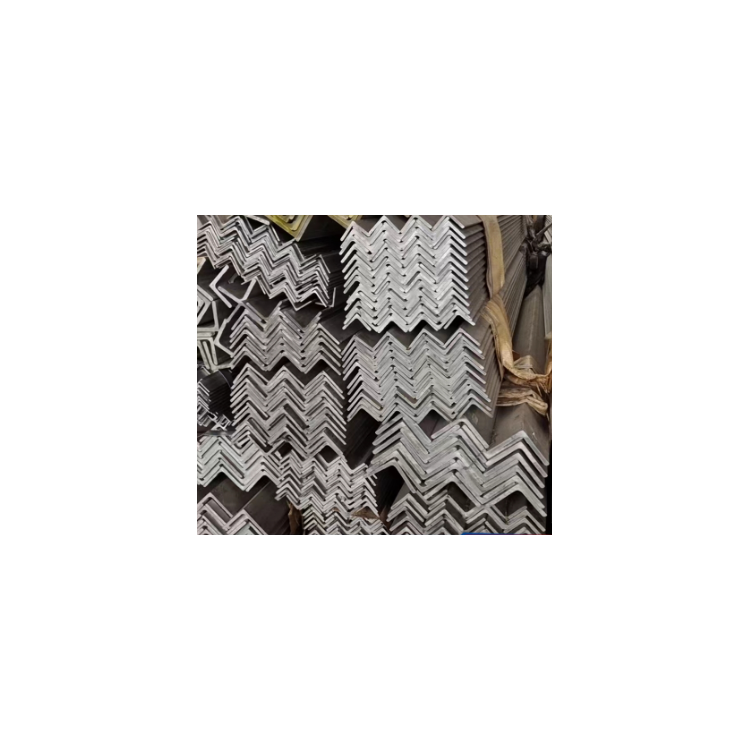

Stainless steel angle iron is a common material known for its corrosion resistance, high-temperature resistance, and wear resistance, widely used in construction, decoration, machinery, electronics, and chemical industries. Among them, the 201 and 304 grades of stainless steel angle iron are commonly used. Below, we will introduce their respective characteristics, wear resistance, and corrosion resistance.
Type 201 Stainless Steel Angle Iron
Features
201 stainless steel angle iron is a low-nickel, high-manganese stainless steel material with good corrosion and heat resistance, suitable for use in high-temperature environments. It has high strength and hardness, but poor plasticity and toughness, prone to cracking and deformation.
Wear resistance
The 201 stainless steel angle iron has poor wear resistance and is prone to abrasion and scratching. During use, it's important to protect the surface to avoid scratching or damage.
Corrosion resistance
201 stainless steel angle iron has good corrosion resistance and can be used in general corrosive media. However, it is prone to corrosion and hydrogen embrittlement in strong acids, strong alkalis, and other corrosive media.
2. 304 Stainless Steel Angle Iron
Features
304 stainless steel angle iron is a high-nickel, low-carbon stainless steel material with excellent corrosion and heat resistance, suitable for use in high-temperature environments. It boasts good strength and plasticity, making it less prone to cracking and deformation.
Wear resistance
304 stainless steel angle iron has good wear resistance and is not easily worn or scratched. During use, the surface is not prone to noticeable wear or scratches.
Corrosion resistance
304 stainless steel angle iron has good corrosion resistance and can be used in general corrosive mediums. It also exhibits good corrosion resistance in strong acids, alkalis, and other corrosive mediums.
In summary, stainless steel angle iron boasts excellent properties such as corrosion resistance, high-temperature resistance, and wear resistance, making it a crucial material in stainless steel applications. When selecting materials, it's essential to choose the appropriate type and specification based on the specific usage environment and requirements. During use, it's important to protect the surface to avoid scratches or damage.

