
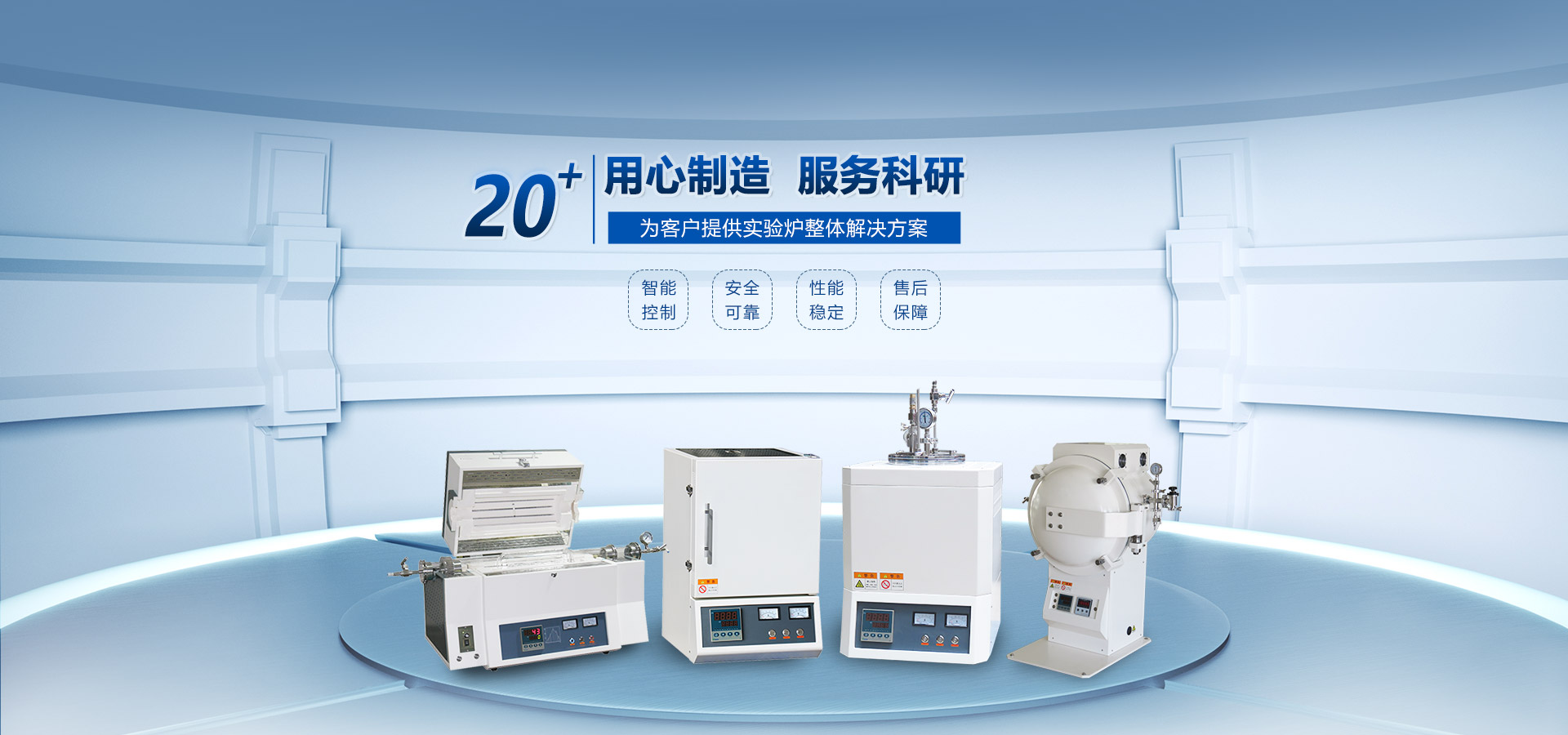


During the use of the muffle furnace, there may be safety hazards due to improper operation or failure to follow instructions. Therefore, please keep the following precautions in mind when using the muffle furnace:
During the sintering process, it is strictly prohibited to open the furnace chamber. Not only is it dangerous, but sudden temperature changes may also cause damage to the equipment.
After sintering is completed, power should not be turned off until it is confirmed that the furnace temperature has dropped below 300 degrees Celsius. Failure to do so could lead to a sudden temperature rise in the equipment, potentially causing damage.
3. For the first use or after a long period of non-use, the equipment should be baked at approximately 120℃ for 1 hour, then at around 300℃ for 2 hours before inserting the sintered sample for normal operation.
4. Direct pouring of various liquids and dissolved metals into the furnace is prohibited to prevent corrosion of the furnace and heating elements, which may cause irreparable damage to the furnace.
After a period of use, the furnace chamber may develop small cracks, which are caused by thermal expansion and contraction and are a normal occurrence.
6. When using a cold furnace, due to the cold furnace chamber, a large amount of heat needs to be absorbed. Therefore, the heating rate in the low temperature section should not be too fast, and the differences in heating rates between temperature sections should not be too great. When setting the heating rate, the physical and chemical properties of the sintering material should be fully considered to prevent material ejection and contamination of the furnace chamber.
Regularly inspect the electrical connections of the temperature control system to ensure they are well-seated, with particular attention to the tightness of the connections at each heating element terminal (check the heating element connectors approximately one month after the first use, and then every 12 months thereafter). When using silicon carbide rods as heating elements, prolonged operation leads to an increase in resistance, a phenomenon known as "aging."
After a period of operation, the furnace's heating rate and ideal temperature may not reach the original values due to the aging of the silicon-carbide rods. Adjust the "output percentage" appropriately and observe the main current on the ammeter at an appropriate level. When a component needs to be replaced for some reason, select a component with a suitable resistance value based on the increase in resistance of other components at that time, and do not replace new components arbitrarily. If a large number of components are damaged or the resistance increase is excessive, and the required furnace temperature cannot be achieved, it is advisable to replace all components with new ones.
9. Ensure the furnace is placed in a safe and stable outdoor environment. Recommendations include: 1) Environmental temperature between -10°C to 75°C. 2) Relative humidity in the surrounding environment not exceeding 85%. 3) No conductive dust, explosive gases, or corrosive gases that severely damage metals and insulating materials around the furnace. 4) No significant tilting, vibration, or jarring.
Equipment maintenance and care require users to operate according to the operational procedures. Personal safety protection must be ensured during the operation, enhance safety awareness, and perform pre-use checks and post-use inspections and maintenance appropriately.
