
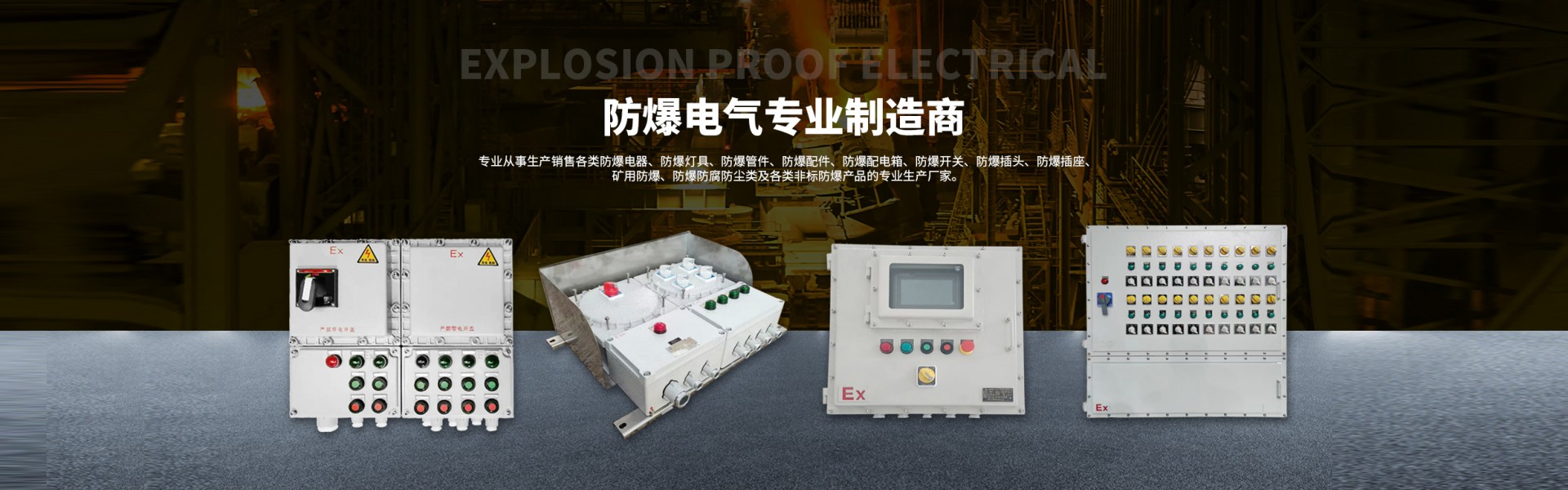


Limiting electrical power typically means reducing the likelihood of sparks by maintaining low voltage and current. 24-volt circuits are commonly used for intrinsic safety equipment, as low potential explosion-proof positive pressure cabinets help prevent the generation of sparks. Current is usually restricted as well. On the other hand, explosion-proofing is designed into equipment not to prevent fires, but to contain any explosive substances within. Anyone who has used electrical equipment in hazardous environments is likely familiar with the heavy cast aluminum electrical enclosures.
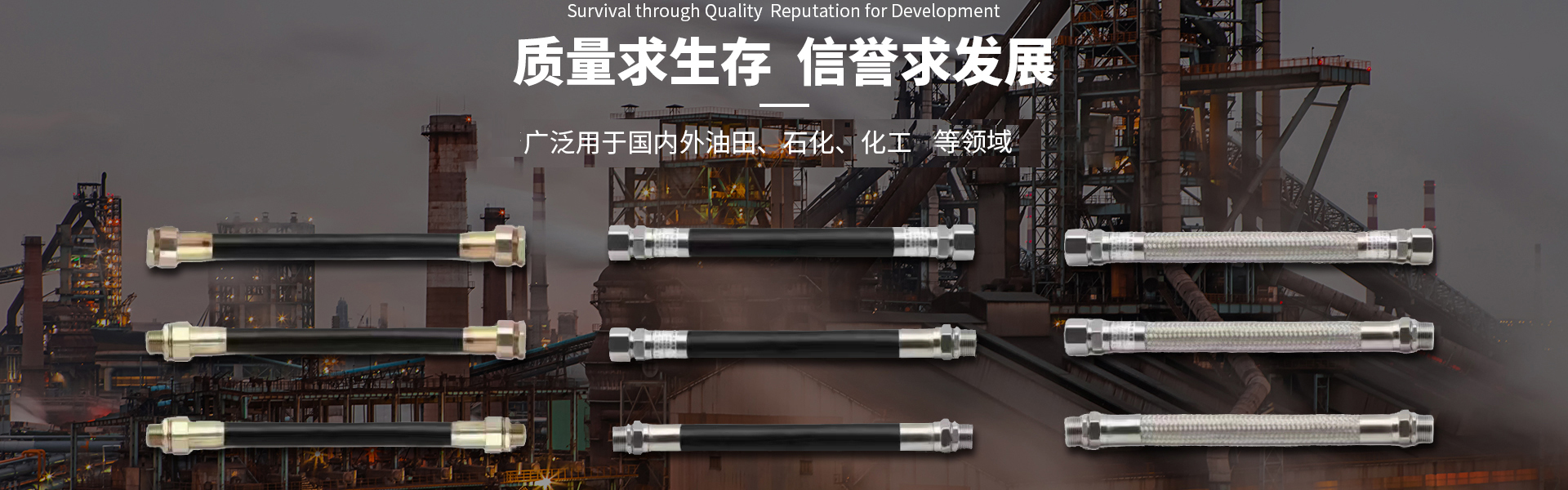
These designs are intended to contain any explosion within the housing. This allows for the operation of high-powered devices in such environments. However, it is crucial to maintain the integrity of the housing, especially at cable entry points. Typically, conduits with conduit seals are required to prevent explosions from escaping through the cable entry points and to keep harmful substances out of the housing. The exact method for using devices in hazardous environments varies for each device.
No one-size-fits-all approach exists, so it's crucial to understand all options and evaluate the method that suits your operation when designing a system. A major issue in every factory is the potential for fire and explosion. Many processes inevitably produce flammable gases, vapors, mists, and dust. That's why there are countless standards, laws, and protective regulations in place to ensure hazardous areas are managed properly. Many applications in various industries also require the use of explosion-proof equipment.
Explosion-proof equipment is utilized across various industries, such as aerospace and aircraft maintenance facilities, construction sites, HVAC systems, manufacturing and machining units, mining sectors, and oil and gas extraction fields. Key equipment used in these industries includes lighting, surveillance, and signaling systems.
