


Sichuan Factory Safety Inspection and Appraisal Subject:
1. To assess the safety of the factory surrounding the construction site before and after the construction, determine the extent of damage, and analyze the causes, it is necessary to conduct a safety evaluation of the factory before and after the construction.
When the temporary factory requires an extension of its usage period, a building safety inspection must be conducted to ensure the factory's safety and provide recommendations for the subsequent years of use.
3. The factory has reached a certain age and shows signs of aging, such as cracks or tilting in the main structure, which pose a threat to the building's safety. A safety assessment of the factory is required.
4. The factory's change in use has significantly increased the load, which may pose safety risks. A building safety inspection and certification is required to ensure the factory's safety.
5. Natural disasters (such as floods, fires, typhoons, earthquakes) have occurred, affecting the normal operation of the factory. A building safety inspection and certification is required for the factory's safety.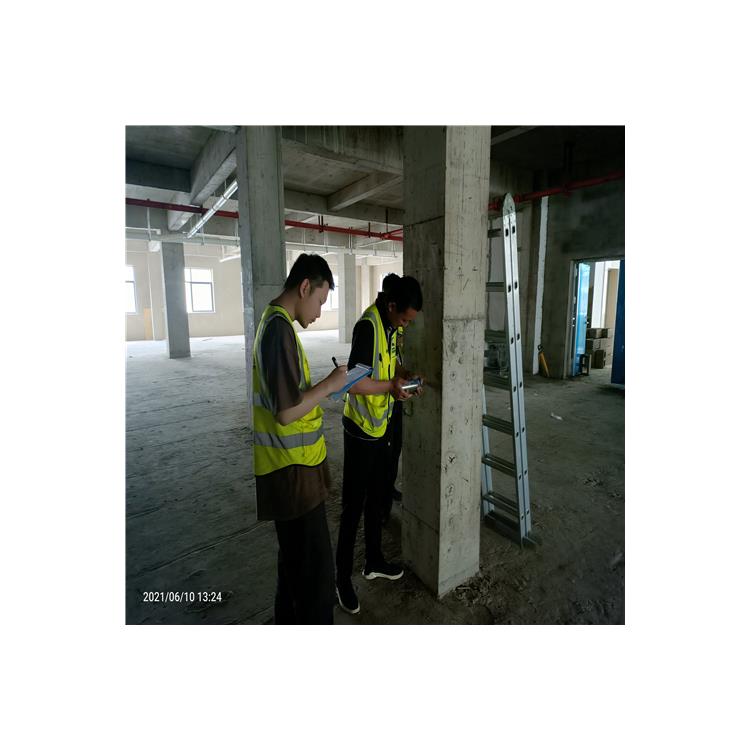
6. Other situations that may compromise factory safety and normal operations. During the operation of a factory, the load-bearing capacity of the floor panels is not only determined by the fixed load of production equipment but also by the variable loads generated during transportation, use, and maintenance of the equipment. Particularly, large industrial factories may experience vibrations during use, which, if the load-bearing capacity of the factory structure is not used reasonably or appropriately, can pose a certain risk to the factory's safety. Ensuring a thorough understanding of the load-bearing capacity limits of the floor panels is the most effective method to ensure safe operation of the factory. How to determine the load-bearing capacity of the factory floor panels? Generally, factories should be designed and constructed based on their intended use during construction. However, as most factories are rented or old, the load-bearing capacity values of the floor panels have often been lost or have long been unable to meet current usage requirements. Arbitrary overloading of the floor panels before knowing their load-bearing capacity can cause significant harm to the factory, such as floor cracking or foundation sinking. Conducting factory load-bearing inspections can effectively monitor the safe and reasonable use of the factory. Determine the size, location, and tentative loading of the factory. Inspect the factory's axis dimensions, height, and identify the arrangement of the beam and slab structures. Check if the structural arrangement is reasonable and if the force transmission of components is direct. Measure the cross-sectional dimensions of the reinforced concrete beams and the thickness of the floor panels in the identified area. The rebound method is a common non-destructive testing method used for concrete structure field inspections, which utilizes a rebound meter to measure the surface strength of concrete to estimate the overall strength of the concrete. Its advantages are simplicity and flexibility, but many factors can affect the results in practical applications, such as the composition of concrete raw materials, molding, curing, and the types and quantities of additives.
Above is the introduction provided by the editor regarding the objects of safety inspection and certification for Sichuan factories. If you have any further questions, feel free to consult our website, where our technical staff will explain to you.
