

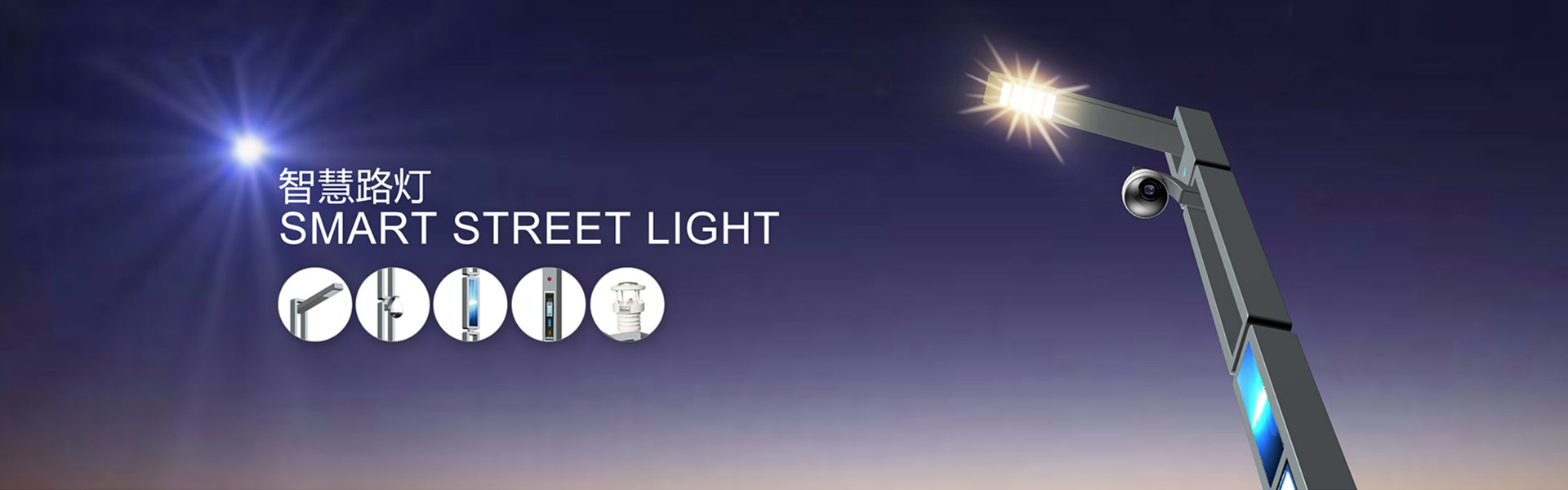

The proposal of the smart city concept has highlighted the crucial role of integrating various urban facilities into a massive Internet of Things (IoT), enabling them to perceive each other. Streetlights, as the lifeblood of a city, play an indispensable part in this. From manual switches to automatic ones, from simple lighting functions to today's multifunctional smart streetlight poles, this series of transformations has enabled streetlights to shoulder more functions in the construction of smart city infrastructure.
Smart Lighting: Smart Lighting utilizes advanced and reliable power line carrier communication technology and wireless GPRS/CDMA communication technology to achieve remote centralized control and management of streetlights. It features automatic brightness adjustment based on traffic flow, remote lighting control, proactive fault alarms, anti-theft for lighting cables, and remote meter reading capabilities. This technology significantly reduces electricity consumption, enhances public lighting management, and cuts maintenance costs.
Environmental Monitoring: Integrated environmental sensors can monitor real-time PM2.5, PM10, radiation, ultraviolet light, temperature, wind speed, wind direction, rainfall, and noise. Analyzed data is then released in real-time through the city's publication platform (via LED display screens and WiFi hotspots), facilitating citizens' travel.
WiFi: An outdoor dual-band wireless AP utilizing lighting pole resources as its carrier, adopting the latest protocol, providing dual-band services simultaneously, offering increased access capacity, simple network deployment, automatic online and configuration, achieving comprehensive Wi-Fi coverage.
