

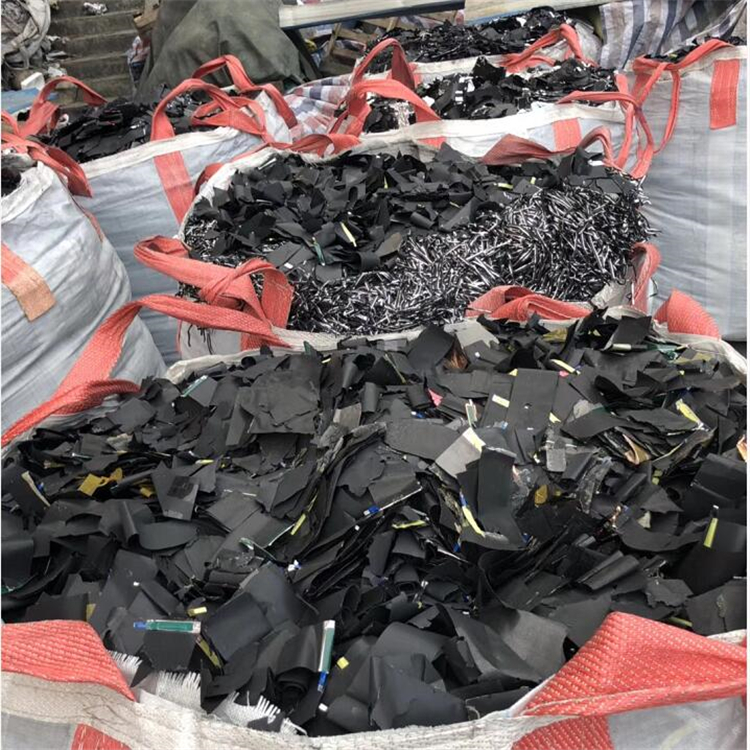


Li-ion battery anode and cathode material recycling equipment is a processing and recovery line for various waste lithium-ion batteries, mainly through physical processing methods, to handle and produce anode and cathode materials for new energy lithium-ion batteries, cylindrical soft-pack batteries, 18650 batteries, hard-case batteries, and steel-case batteries. It separates valuable metals from the batteries.
Lithium-ion battery anode and cathode material recycling equipment is a processing and recovery line for various waste lithium-ion batteries, mainly through physical processing methods. It processes new energy lithium-ion batteries, cylindrical pouch cells, hard shell batteries, and steel shell batteries, converting them into anode and cathode materials. It separates valuable metals from the batteries. The cathode is formed by applying lithium cobalt oxide powder to both sides of an aluminum foil collector, while the anode structure is similar, consisting of carbon powder bonded to both sides of a copper foil collector. The processing technology consists of cathode and anode sheet processing. The lithium-ion battery anode and cathode sheet processing system and technology includes a feeding platform, conveyor, shredder, analyzer, induced draft fan, collection device, pulse purifier, and grading sieve and separator.
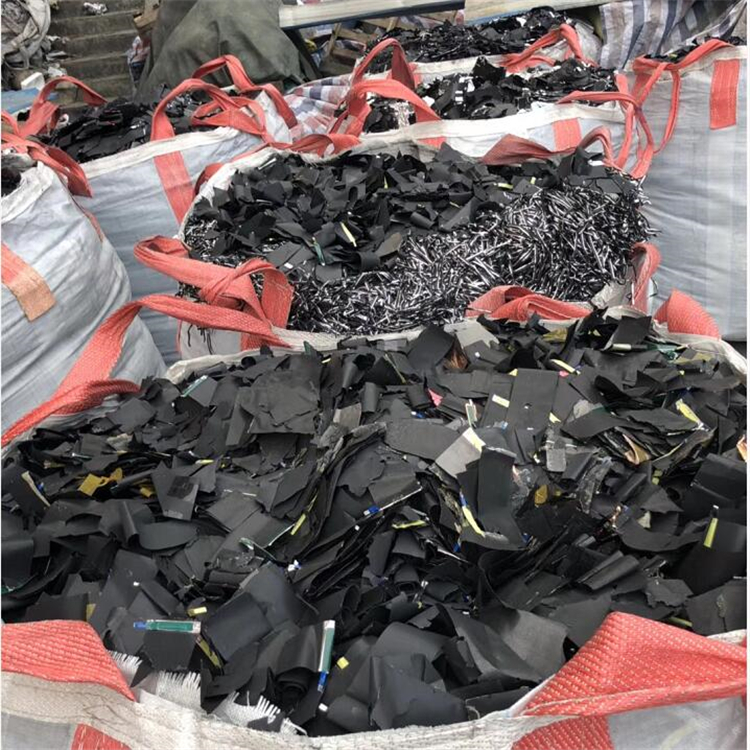
The battery is composed of positive and negative electrodes, so the material used for the positive and negative electrodes directly affects the battery's performance. Understanding the specific structure of the battery, we then look at the composition of the positive and negative electrodes. The positive electrode is made up of foam nickel (conductive material) and positive electrode chemical raw materials. The negative electrode is composed of steel strip and negative electrode chemical raw materials. In simple terms, the chemical raw materials are tightly bonded to the foam nickel (steel strip) through a slurry, forming the positive (negative) electrode. The positive electrode typically refers to a high-potential electrode containing active substances that undergo reduction reactions during discharge.
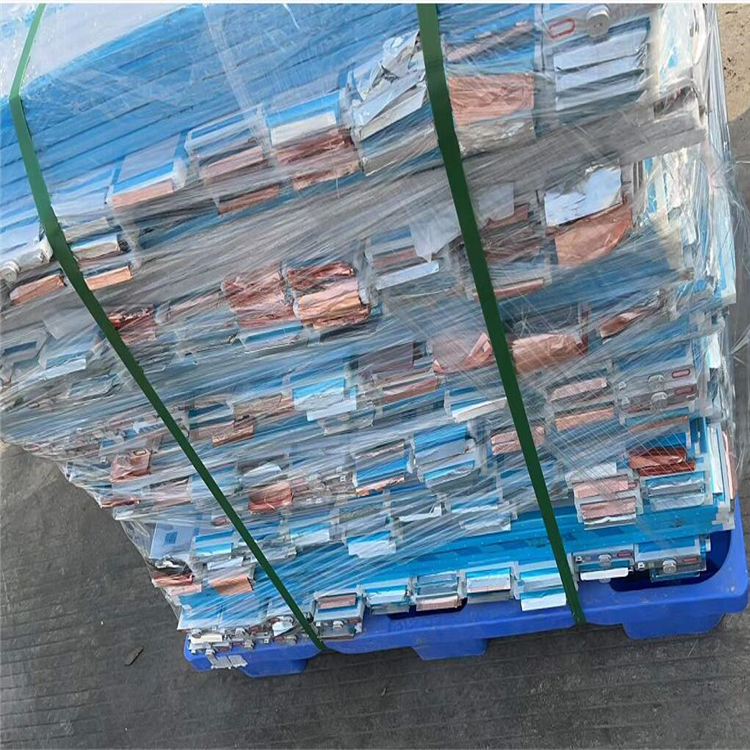
During the assembly of battery packs, the following patterns are observed: the negative electrode determines the battery's stability and overcharge (discharge) performance, while the positive electrode determines the battery's capacity. If the battery is produced with the following conditions:
1. A positive electrode sheet that's too light can result in a "low capacity" battery.
2. Overweight anode sheets can lead to leakage and bulging during battery charging, and in severe cases, may cause the battery to explode.
3. Overlighted cathode sheets can cause battery leakage and bulging during charging, and in severe cases, may lead to explosion.
4. Excessive weight on the negative electrode sheet can make it difficult to fit into the battery housing during assembly, leading to damage or short-circuiting of the positive and negative electrode sheets. Moreover, the heavier negative electrode sheet can result in waste of battery raw materials and lower material utilization efficiency. Therefore, both underweight and overweight electrode sheets can significantly affect the battery.
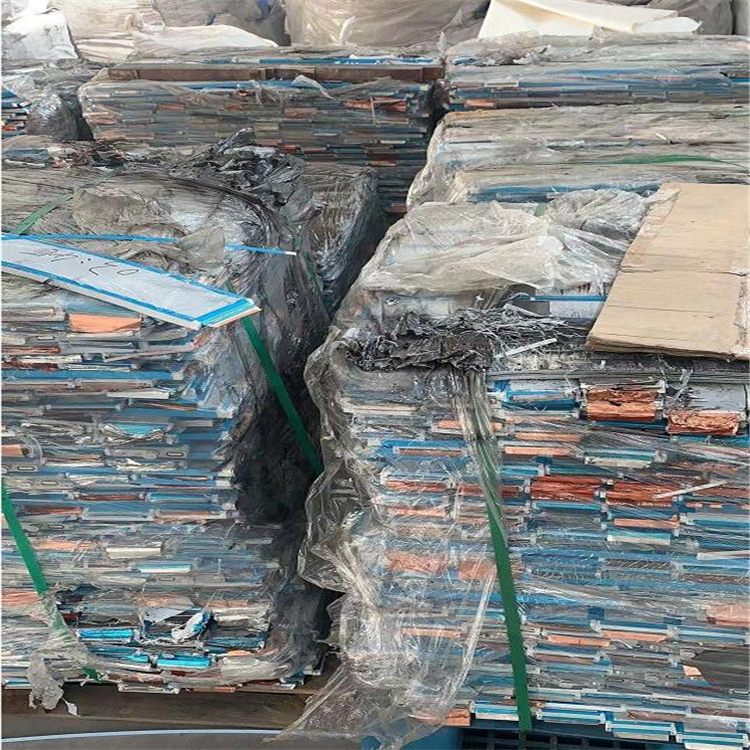
The cathode sheet recycling process consists of the following steps:
1. Waste lithium-ion battery cathode materials are conveyed to a shredder via a conveyor belt, where they are shredded to 15-25 mesh size.
2. Material processed through a shredder is conveyed to the analyzer.
3. The analyser separates the crushed material through air classification, separating metal materials and lithium cobalt oxide powder.
4. Selected lithium cobalt oxide powder is transported to the collection unit by an induced draft fan.
5. Waste gases from the aggregate unit are purified through a pulse purifier before being discharged. The metallic materials sorted by the analyzer are then screened through a grading sieve, which further separates the metal materials into lithium cobaltate powder and metal fractions.
6. Lithium cobalt oxide powder from the grading screen is channeled into the aggregate collector via an induced draught fan from the first output end. Aluminum powder, sifted from the grading screen, is directly collected from the third output end. Other materials sifted from the grading screen enter the air classification machine via the second output end. The air classification machine further sorts these materials, separating metallic aluminum and lithium cobalt oxide powder. The separated metallic aluminum is recovered and collected, while the separated lithium cobalt oxide powder is gathered into the aggregate collector via the induced draught fan. Thus, the non-metallic lithium cobalt oxide powder and metallic aluminum powder in the positive electrode sheet are successfully separated.
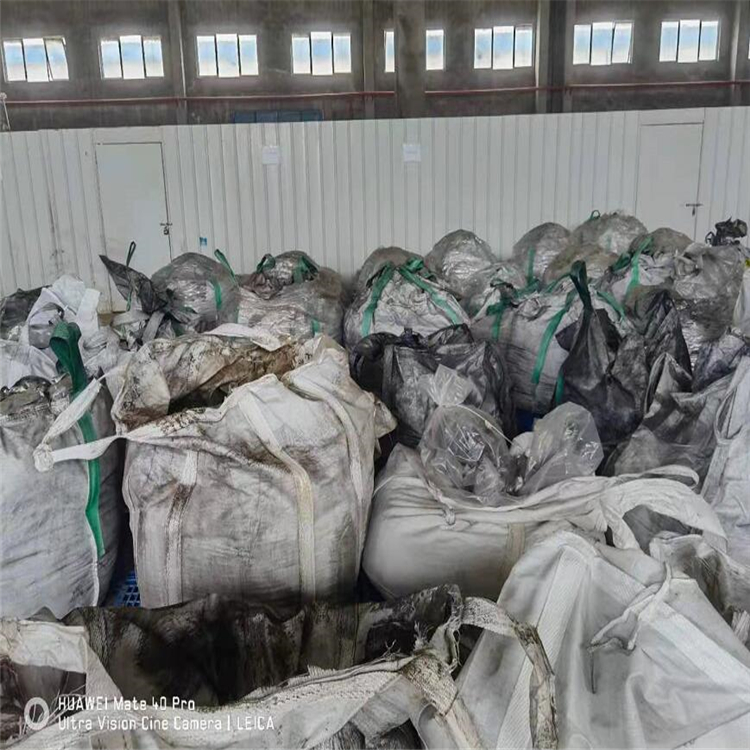
Key considerations for anodes and cathodes:
1. Inspect for burrs and unevenness on the blade edge, and be mindful of the precautions when using the blade during operation.
2. Do not mix cutters for positive and negative pole slices.
3. Continuously inspect the quality of the film during the cutting process, segregate any substandard film into separate batches, and ensure they are not mixed.
4. After the pieces are cut, they are inspected and then transferred to the subsequent process.
