

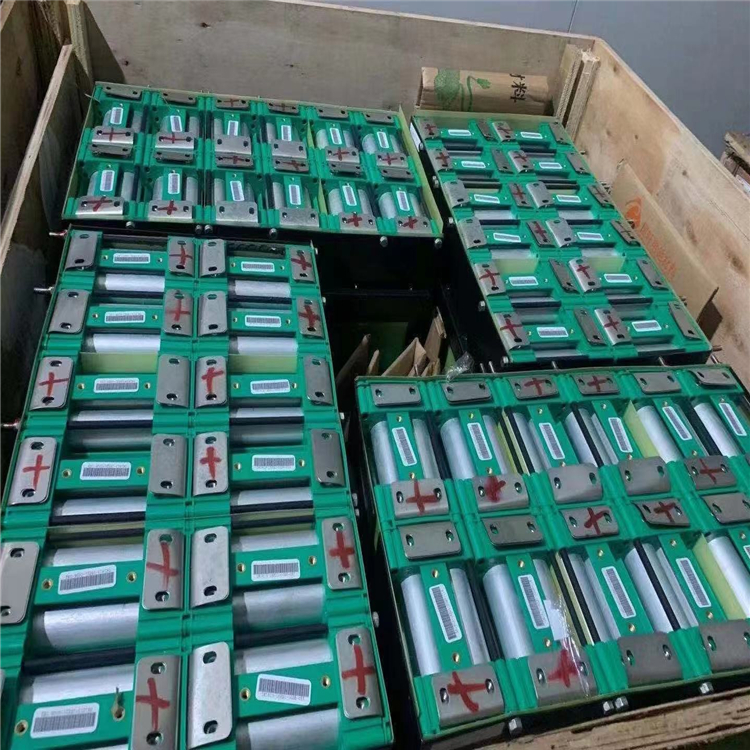
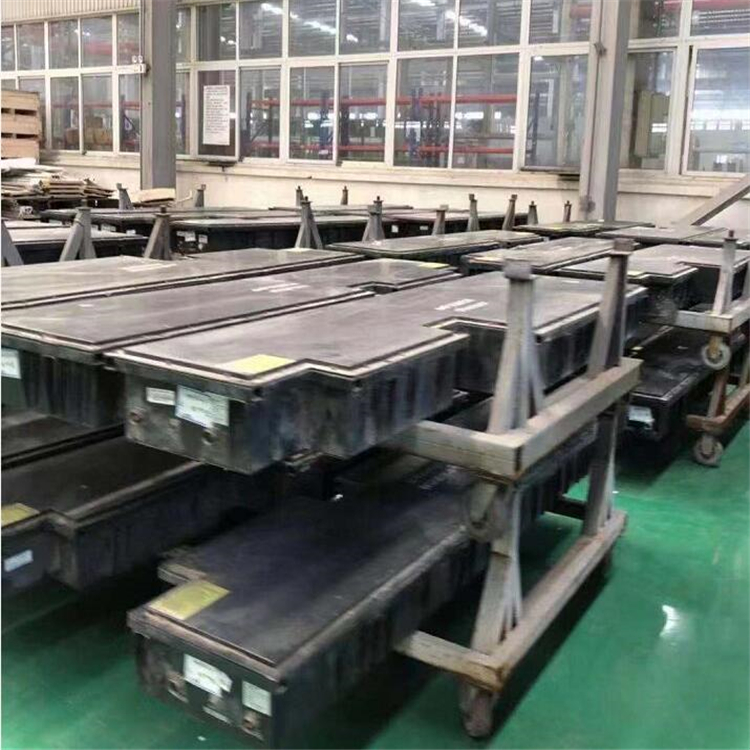

In the past two years, the rise of new energy vehicles has been evident. However, the recent price increases by various automakers have highlighted the scarcity of raw materials in the new energy vehicle market. Against this backdrop, the battery recycling industry, previously overlooked, has now become a hot topic.
Insufficient awareness exists among the public regarding the pollution from the undercarriages of new energy vehicle lithium batteries. There is yet no conscious effort to collect the discarded undercarriages of new energy vehicles for environmental protection. Although the recycling of discarded undercarriages from new energy vehicle lithium batteries has gained attention from relevant departments in recent years, the results have been minimal. There is a need for extensive promotion of recycling awareness and to enhance understanding of the significance of recycling and utilizing the discarded undercarriages of new energy vehicle lithium batteries.
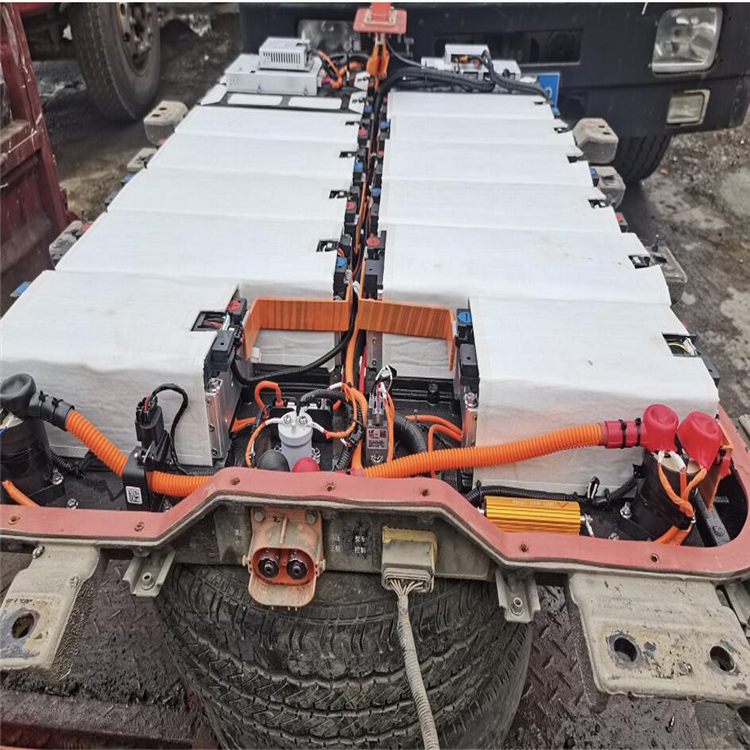
Properly recycled from new energy vehicles' lithium battery undercarriages, these batteries can become excellent "urban mines," as the metal resource abundance within them far exceeds that of ore reserves. The raw materials obtained from battery recycling can be utilized by battery manufacturers and their upstream and downstream companies in the supply chain, achieving resource conservation. Additionally, promoting the battery swapping model will benefit car manufacturers or power battery manufacturers as the main recyclers by locking in the source of used batteries in advance, enabling bulk recycling and thus enhancing recycling profitability.
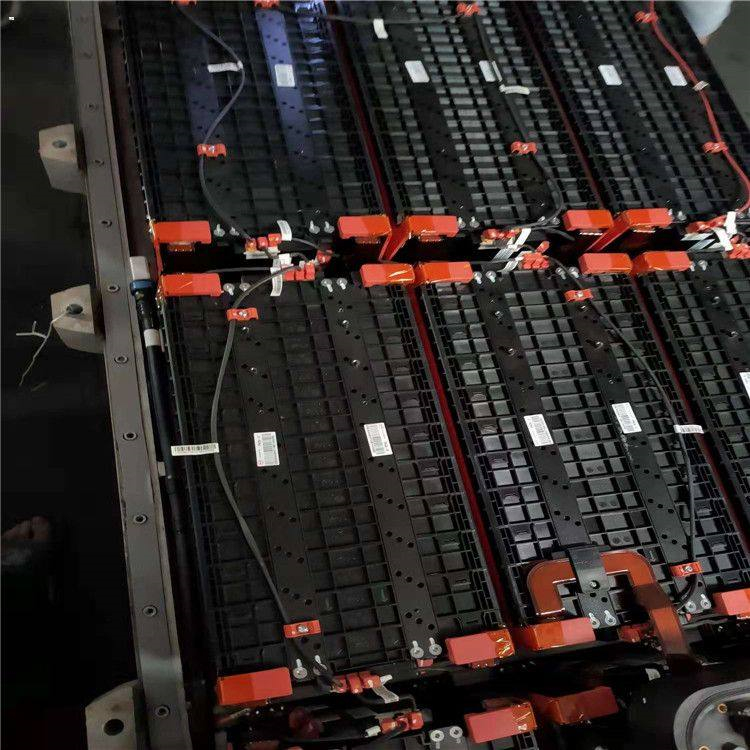
As the application of lithium-ion battery packs in new energy vehicles becomes more widespread, recycling these packs to recover valuable metals, reduce environmental pollution, and alleviate resource scarcity holds significant social and economic importance. The废旧new energy vehicle battery packs contain large amounts of heavy metals, as well as electrolyte solutions like waste acid and alkali. Disposing of them carelessly can lead to heavy metal leakage from the废旧batteries, causing pollution in rivers, lakes, seas, and other water bodies.
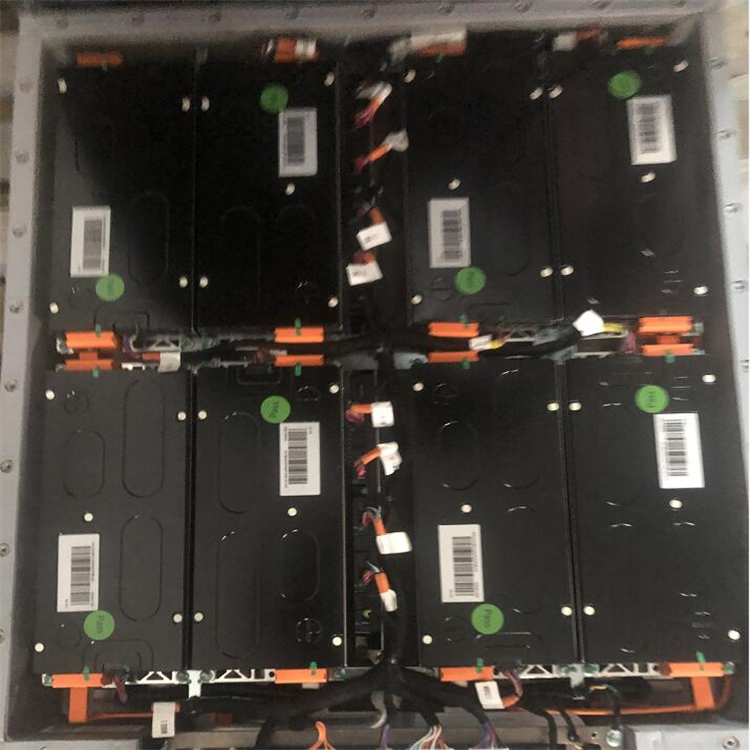
New energy vehicle lithium battery underbodies contain a large amount of heavy metals and electrolyte solutions like waste acid and alkali. If discarded carelessly, the leakage of heavy metals from the recycled new energy vehicle lithium battery underbodies can pollute rivers, lakes, seas, and other water bodies, indirectly threatening human health. Therefore, recycling and disposing of the underbodies of waste new energy vehicle lithium batteries not only addresses the pollution source but also achieves the recycling and reuse of resources.

New energy vehicle lithium battery packs typically contain 5% to 15% cobalt, 2% to 7% lithium, and 0.5% to 2% nickel, with a relatively high recyclability; lithium-ion batteries also contain toxic substances like lithium hexafluorophosphate, which can severely pollute the environment and ecosystems. Heavy metals like cobalt, manganese, and copper can also harm humans through bioaccumulation in the food chain, posing a high risk. As the application of lithium-ion batteries becomes more widespread, it is of significant social importance to recycle valuable metals from new energy vehicle lithium battery packs, reduce environmental pollution, and alleviate resource scarcity issues.
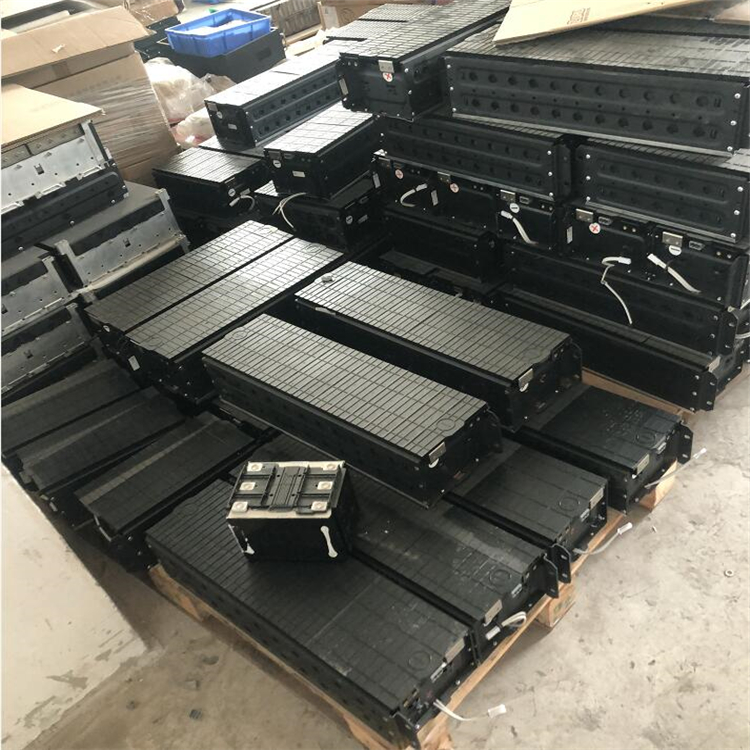
New energy vehicle lithium battery undercarriages contain valuable resources such as cobalt, lithium, copper, and plastic, all of which have high recyclability. Therefore, scientifically and effectively disposing of new energy vehicle lithium battery undercarriages not only yields significant environmental benefits but also offers good economic returns. To alleviate the increasingly severe resource shortages and environmental pollution issues caused by economic development, achieve full-component recycling and utilization of used lithium-ion batteries.
