






- AllProduct Category
-
Spiral Plate Heat Exchanger
Heat Exchanger Condensing Equipment
Reactor Mixing Equipment
Tower/Tank Equipment
Other Chemical Equipment


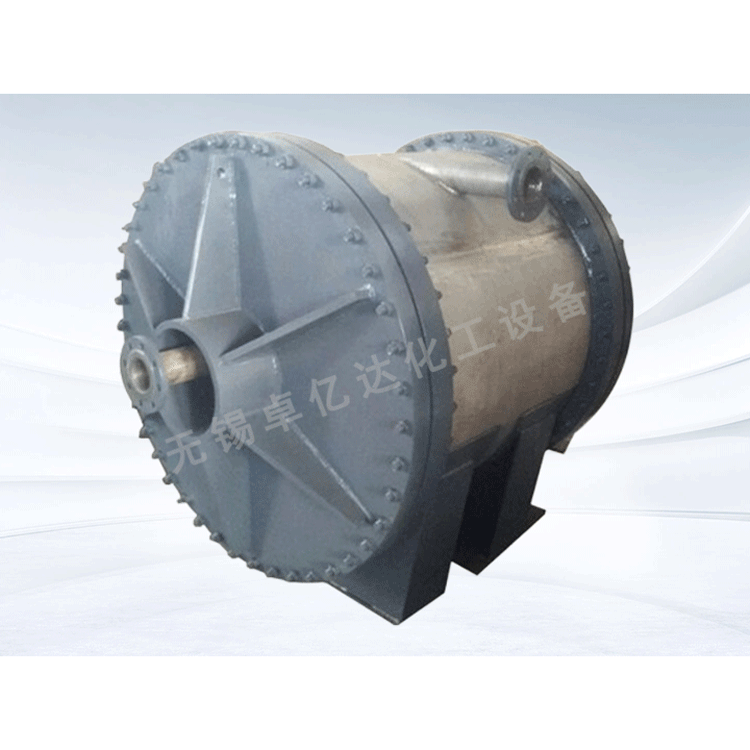
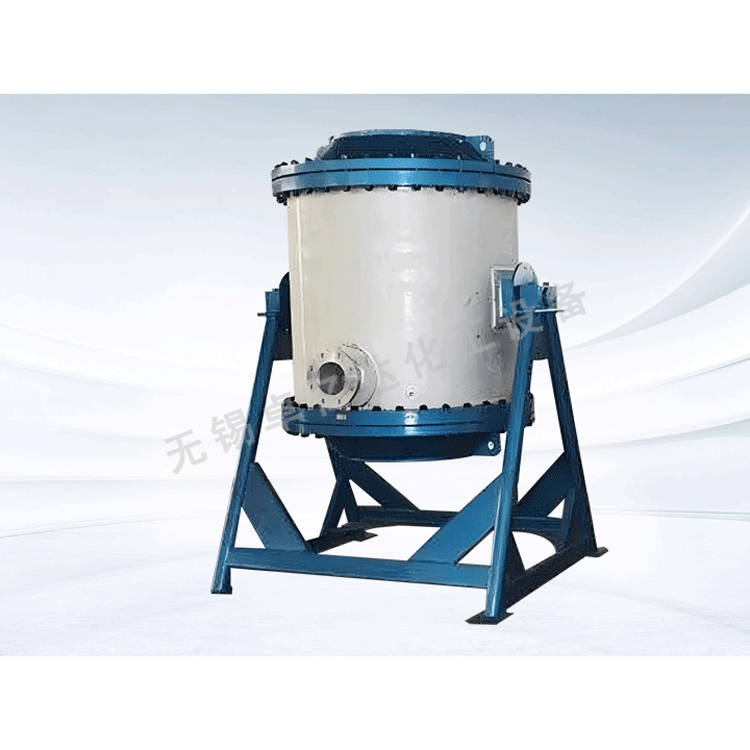
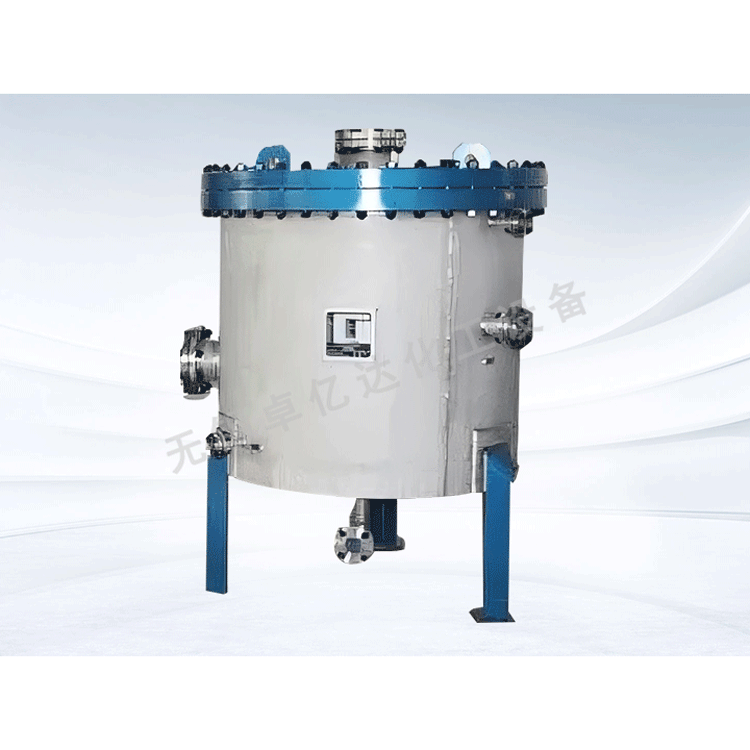
详情描述
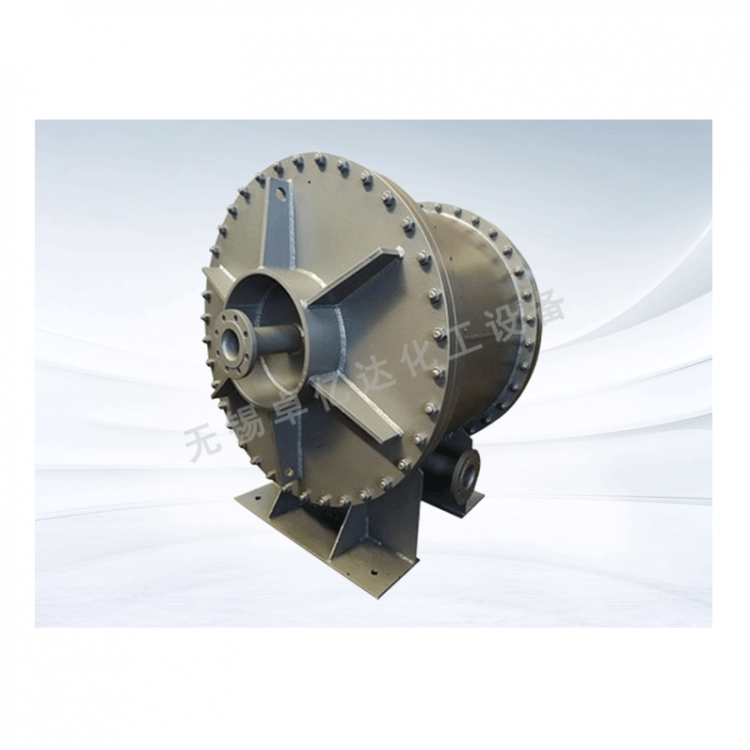
Type III Detachable Horizontal Spiral Plate
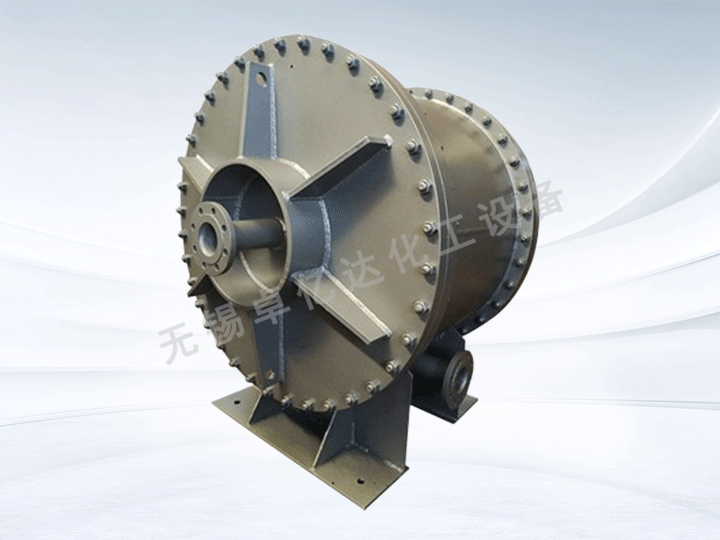
Structural Features
High thermal efficiency
Due to the spiral channels in the III-type removable spiral plate heat exchangers, fluids flow within these channels. Fixed distance columns or stamped distance bubbles are welded to the spiral plates to maintain the width of the spiral channels. Under the centrifugal force of the spiral flow cloud, fluid turbulence can occur at a lower Reynolds number. Considering that pressure drop should not be excessive, it is important to reasonably select the channel width and fluid velocity. During design, higher fluid velocities are generally chosen (allowable design velocities are around 2 m/s for liquids and 20 m/s for gases), which enhances fluid dispersion and contact, thereby improving the heat transfer efficiency of the spiral plate heat exchangers. In recent years, many domestic units have conducted comparative measurements of heat transfer coefficients between spiral plate and tubular heat exchangers. For example, an auxiliary ammonia condenser for a refrigerator, originally using a tubular heat exchanger with an area of F=75 m², was replaced with a III-type removable spiral plate heat exchanger with an area of F=30 m², doubling its efficiency. Similarly, a heater under an ammonia synthesis tower in a small fertilizer factory, originally using a tubular structure with an area of F=30.9 m², was replaced with a III-type removable spiral plate heat exchanger requiring only F=15.5 m², which also doubled its efficiency.
2. Effectively utilizes fluid head loss
Fluids in Type III removable spiral plate heat exchangers, despite lacking abrupt changes in flow direction or pulsations, experience higher fluid resistance compared to shell-and-tube heat exchangers due to the longer spiral channels and fixed distance columns welded onto the spiral plates. However, as the fluid flows uniformly in a spiral pattern within the channels, the primary resistance occurs from friction against the spiral plates and impacts with the fixed distance columns, which can induce turbulent flow. This results in an increased heat transfer coefficient, allowing the Type III removable spiral plate heat exchangers to effectively utilize the pressure head loss of the fluid.
3. Non-clogging
In recent years, numerous studies have focused on the fouling issue of heat exchangers, as fouling significantly impacts their heat transfer efficiency. In Type III removable spiral plate heat exchangers, due to the single-pass flow path, the allowable velocity is higher than in other types, making fouling less likely to accumulate. If fouling does settle in a section of the channel, the cross-sectional area of that section decreases. Under a certain flow rate, a reduced cross-sectional area corresponds to an increased local velocity, which acts as a flushing effect on the fouled area. In shell-and-tube heat exchangers, however, if fouling accumulates on a heat exchange tube, the local resistance increases, restricting flow and reducing velocity. The medium then diverts to other tubes, rebalancing the resistance of each tube within the exchanger. This leads to progressively lower velocities in the fouled tubes, making them more prone to further fouling and eventual blockage. In chemical and oil refineries, the inner diameter of shell-and-tube heat exchangers often experiences fouling, which can lead to clogging. Conversely, in Type III removable spiral plate heat exchangers, with their self-scouring action, the rate of fouling formation is about 1/10 that of shell-and-tube exchangers.
For clogging issues, overseas often use acid cleaning or hot water washing, while in China, steam blowing is predominantly used, which is more convenient and efficient than hot water washing.
4. The ability to utilize low-temperature heat sources and control the outlet temperature is essential to enhance the heat transfer efficiency of the Type III removable spiral plate heat exchanger. To increase the heat transfer driving force, it is required. When both fluids operate in a full counter-current mode within the spiral channels, the logarithmic mean temperature difference between the two fluids is greater, which is favorable for heat transfer. Analyzing the empirical data from the heat exchanger design, the Type III removable spiral plate heat exchanger allows for a low minimum temperature difference, enabling heat exchange even when the temperature difference between the two fluids is 3℃. Due to the lower allowable temperature difference, countries around the world utilize this type of heat exchanger for the recovery of low-temperature thermal energy.
Type III removable helical plate heat exchangers feature two longer, uniform helical channels, allowing for even heating and cooling of the medium, thus enabling control of the outlet temperature.
5. Compact structure
A 1.5m diameter, 1.8m width Type III removable spiral plate heat exchanger with a heat transfer area of up to 200m², offering approximately three times the specific heat transfer area of a tube-and-shell heat exchanger.
6. Sealed structure is reliable
Currently, the Type III removable spiral plate heat exchanger in use features sealed ends with welding (irreversible) and end cover clamping (removable). The irreversible seal ensures welding quality while preventing internal leakage between the two media. The removable ends are clamped with end covers, which have a full-sealing plate. As long as the two ends of the spiral channels are machined smooth, they can prevent fluid from bypassing from one side to the other.
7. Small temperature difference stress
The III-type removable spiral plate heat exchanger features allow expansion. Due to its two longer spiral channels, the spiral plates can extend and contract like a spring inside a clock when heated or cooled. Each turn of the spiral has one side for hot fluid and the other for cold fluid, with the outer turn in contact with the atmosphere. The temperature difference between the spirals is not as pronounced as the temperature difference between the tubes and shell in a shell-and-tube heat exchanger, thus avoiding significant temperature difference stress.
Technical Specifications


