



Some Tips for Choosing Sesame Black Products
Some tips for choosing sesame black: There's been so much discussed about the methods of choosing sesame black before, but some friends always seem to forget, or many new clients often inquire about this topic. Choosing sesame black indeed requires some specific skills.
There are many types of sesame black marble on the market, each with its own unique characteristics. Some is artificial, some is natural, and some is quarried. In short, different patterns represent different materials, making the selection of sesame black for decoration quite particular. How can one quickly find satisfactory sesame black marble?
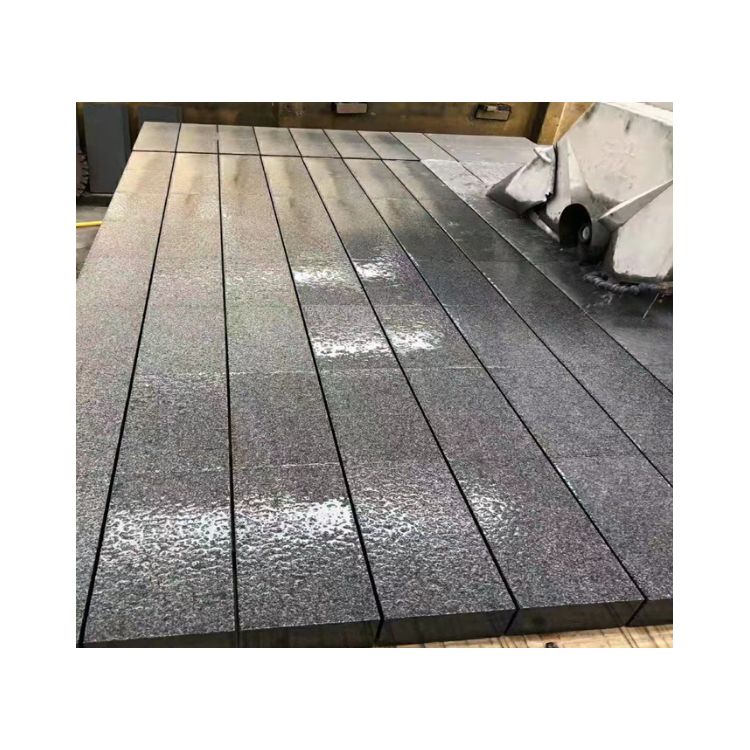
In fact, there's an art to selecting sesame black products. You can gauge the quality of sesame black by examining its surface. Generally, we determine the quality of sesame black based on its finish and processing techniques. Typically, the surface of sesame black should be free of excessive impurities and boasts an even color distribution, without any patches of varying intensity.
But lesser quality black sesame stones may exhibit numerous noticeable flaws after some processing, which are easily identifiable at a glance. Therefore, the color and pattern on the surface of black sesame stones are crucial indicators for evaluating their quality.
In addition to the sesame black color, another criterion is the distinct features we can observe after the sesame black processing. Generally, high-quality sesame black processing results in perfectly straight edges with no sharp corners, and the surface is smooth and bright. To the touch, it lacks a rough texture. Therefore, the quality of sesame black flooring is typically not as good as that of sesame black wall materials. The sesame black stone industry is increasingly developing, with its unique physical and chemical properties becoming the third-largest building material after cement and steel. As the construction industry continues to grow, the demand for stone materials is also on the rise.
