



25*50 P-Shaped Galvanized Strip Tube Manufacturer, P-Type Tube Processing Factory
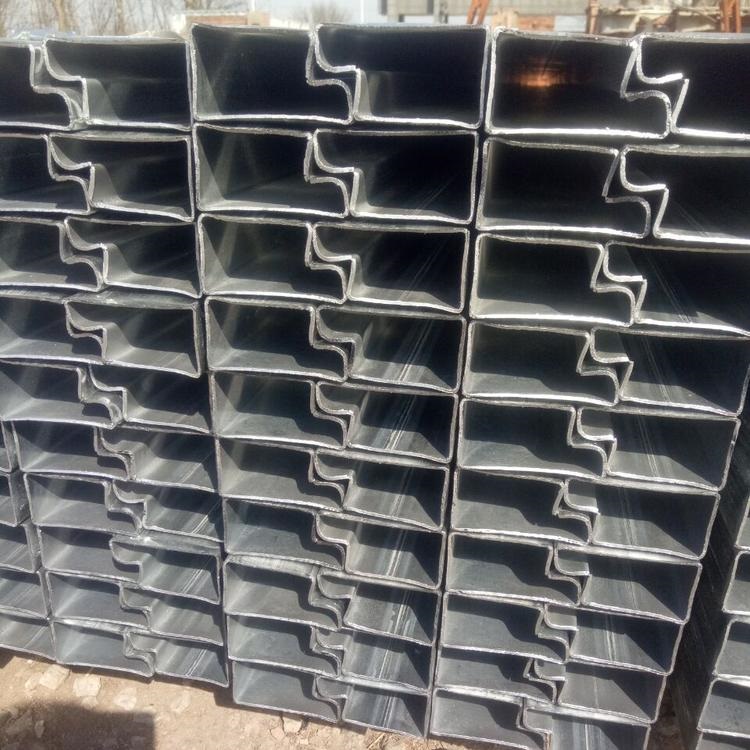
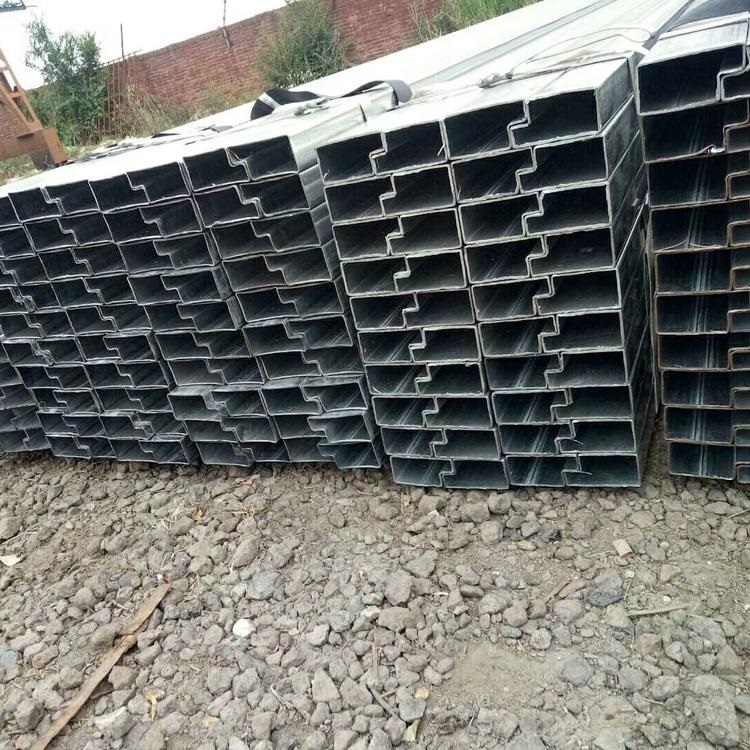

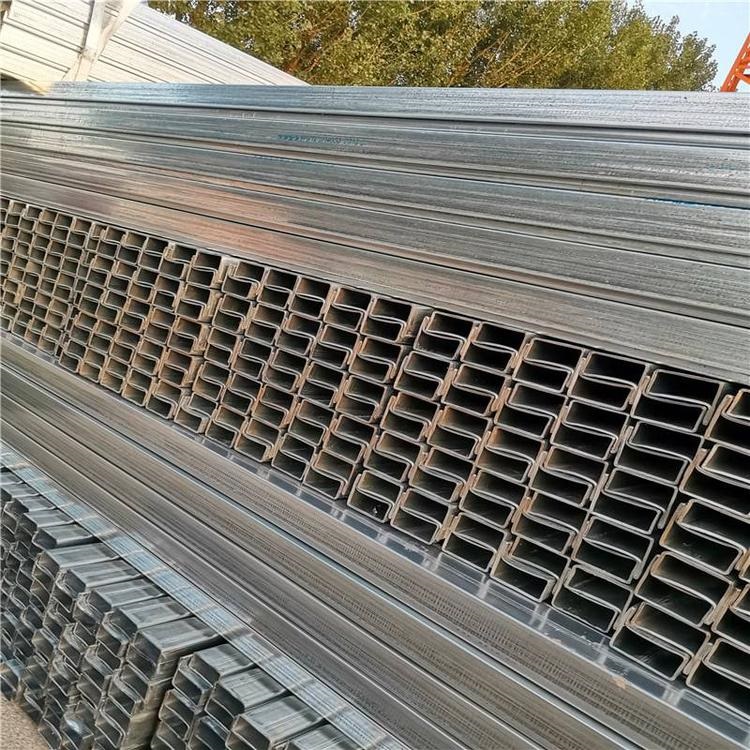
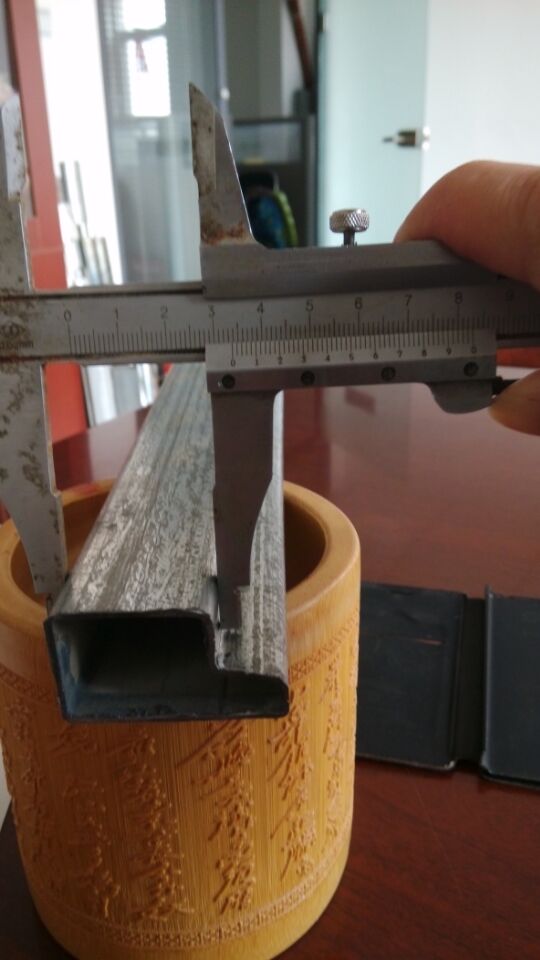
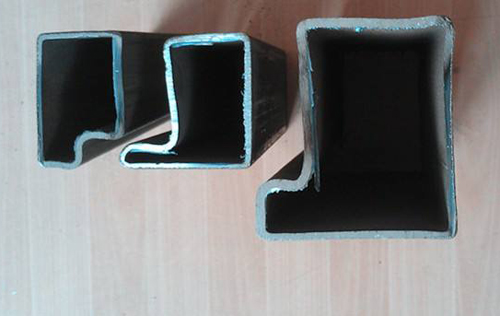
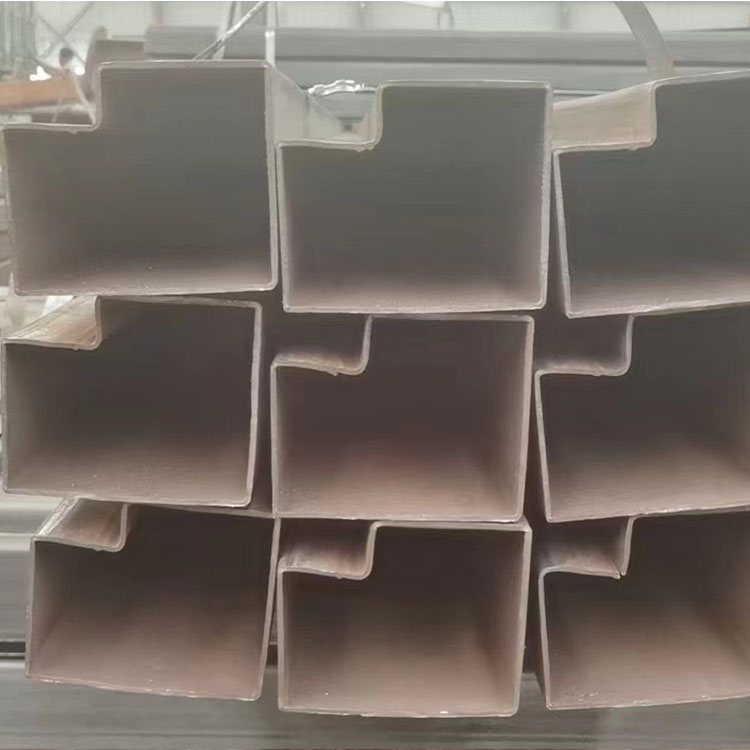
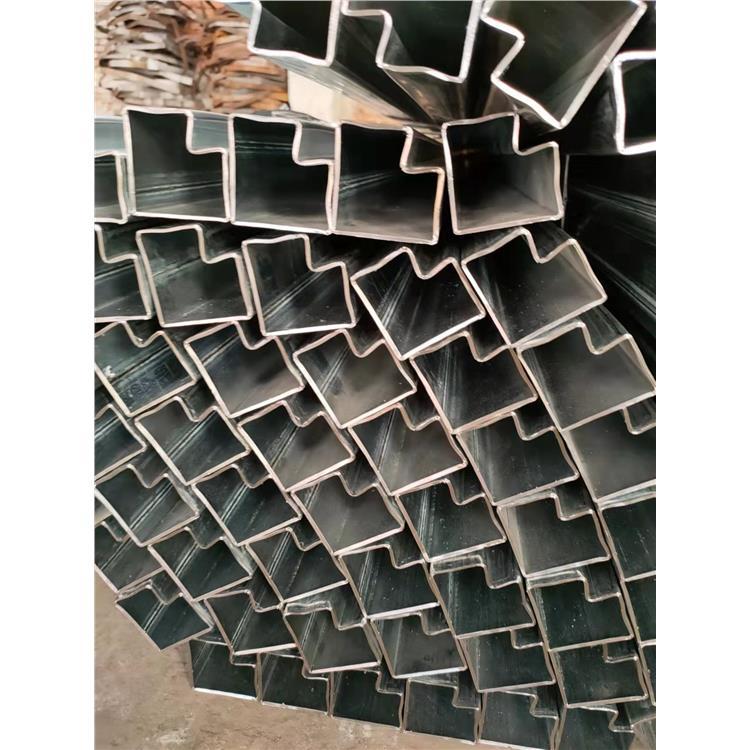
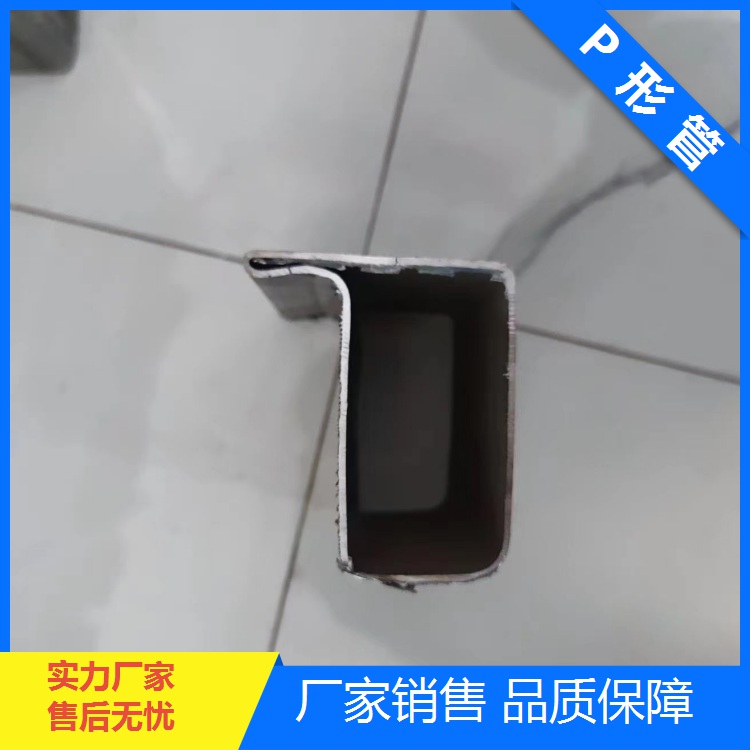
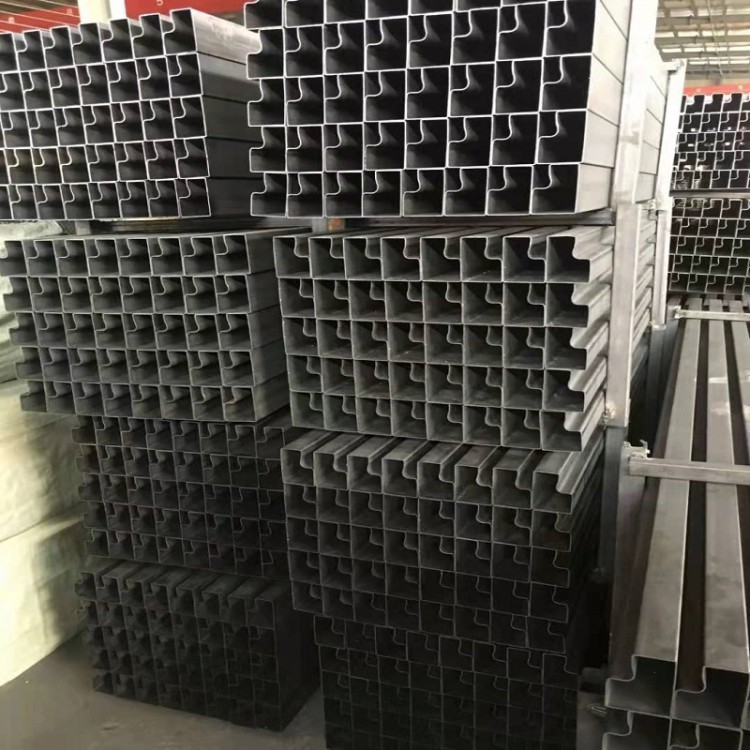
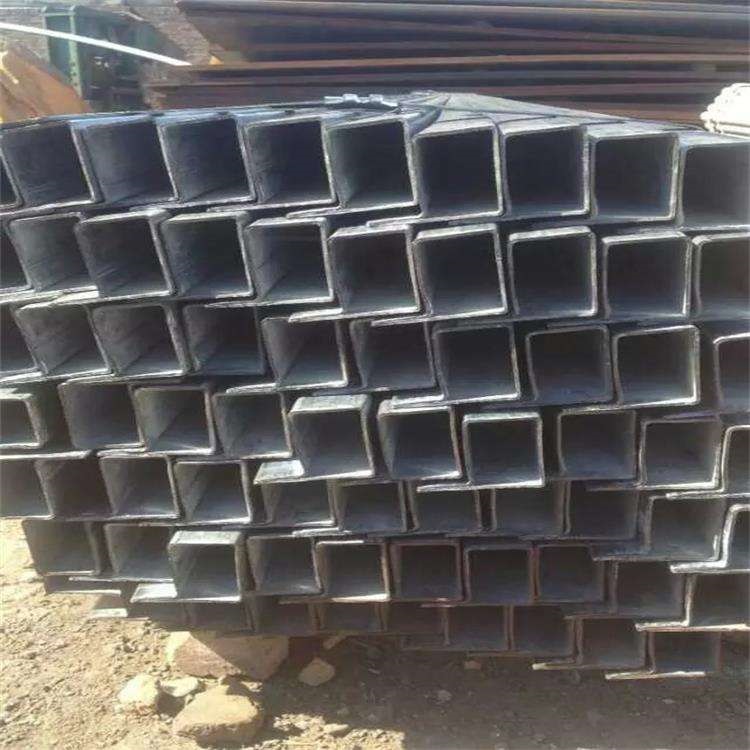 1. **25*50P-Shaped Galvanized Strip Pipe Specifications** - **Sectional Dimensions**: - **Width and Height**: For the 25*50P-shaped galvanized strip pipe, 25mm typically refers to the width of the P-pipe, while 50mm denotes the height. This size of P-pipe is well-suited for various applications, such as in small-scale architectural structures, furniture frames, or decorative components. - **Groove (if applicable)**: If the P-pipe features a groove for installing other components, the groove width may range from 8 to 12mm, with a depth of about 15 to 20mm, facilitating the installation of wires, small accessories, etc. - **Wall Thickness**: - **Thickness Range**: The wall thickness generally falls between 0.8 and 1.5mm. Thinner walls make the pipe lighter for transportation and processing, suitable for applications with moderate strength requirements; thicker walls offer better structural support. - **Galvanizing Layer Characteristics**: - **Galvanizing Layer Thickness**: The galvanizing layer thickness is usually around 40-80μm, which effectively enhances the pipe's corrosion resistance, allowing its use in moderately damp environments or outdoors, thereby extending the pipe's lifespan. - **Galvanizing Layer Appearance**: The surface galvanizing layer of the strip pipe should be even and bright, free of visible zinc nodules, pockmarks, or other defects, ensuring both corrosion resistance and good aesthetic quality.
2. **Manufacturing Process for P-Shaped Pipes** - **Raw Material Preparation**: - **Galvanized Steel Strip Selection**: The first step in manufacturing P-pipe is to select suitable galvanized steel strips. The material is typically low-carbon steel, requiring good ductility and workability. The strip thickness is determined based on the target P-pipe wall thickness, ensuring the galvanizing quality meets requirements. - **Forming Process**: - **Cold Bending Forming**: Cold bending the galvanized steel strip through a series of roller stands is a crucial step in manufacturing P-pipe. The design and arrangement of the rollers must match the specific shape and size of the P-pipe. For the 25*50P pipe, the gap between rollers and bending angle must be controlled to gradually bend the strip into the P-shape. During this process, attention must be paid to the strip feeding speed and roller speed matching, typically with strip feeding speeds between 1-5m/min and roller speeds around 5-20r/min to ensure pipe forming quality. - **Mold Forming (optional)**: Besides roller cold bending, mold forming can also be used. The mold cavity shape must match the final shape of the P-pipe. In the forming process, the steel strip is pressed into the mold cavity by a press, deforming into the P-shape. This method is suitable for small batch production or when specific pipe shapes are required. - **Welding (if required)**: - **High-Frequency Welding**: If welding is needed during the forming process, high-frequency welding is a common method. During welding, the edges of the steel strip are heated to melting point by high-frequency current, then fused together under pressure. Welding speed is generally between 1-3m/min, with welding current adjusted between 500-2000A based on the strip thickness and material to ensure weld quality. After welding, the weld should be inspected for defects such as voids, cracks, or slag. - **Post-Processing**: - **Straightening**: After forming, the P-pipe may exhibit bending or twisting, requiring straightening. Mechanical or hydraulic straightening methods can be used to control the straightness of the pipe within a certain range, with an error of no more than 1mm/m. - **Cutting and Lengthening**: According to customer requirements, continuously produced P-pipes are cut to a certain length. Standard length is usually 6 meters, but lengths can be customized as needed, with cutting accuracy generally within ±5mm.
1. **25*50P-Shaped Galvanized Strip Pipe Specifications** - **Sectional Dimensions**: - **Width and Height**: For the 25*50P-shaped galvanized strip pipe, 25mm typically refers to the width of the P-pipe, while 50mm denotes the height. This size of P-pipe is well-suited for various applications, such as in small-scale architectural structures, furniture frames, or decorative components. - **Groove (if applicable)**: If the P-pipe features a groove for installing other components, the groove width may range from 8 to 12mm, with a depth of about 15 to 20mm, facilitating the installation of wires, small accessories, etc. - **Wall Thickness**: - **Thickness Range**: The wall thickness generally falls between 0.8 and 1.5mm. Thinner walls make the pipe lighter for transportation and processing, suitable for applications with moderate strength requirements; thicker walls offer better structural support. - **Galvanizing Layer Characteristics**: - **Galvanizing Layer Thickness**: The galvanizing layer thickness is usually around 40-80μm, which effectively enhances the pipe's corrosion resistance, allowing its use in moderately damp environments or outdoors, thereby extending the pipe's lifespan. - **Galvanizing Layer Appearance**: The surface galvanizing layer of the strip pipe should be even and bright, free of visible zinc nodules, pockmarks, or other defects, ensuring both corrosion resistance and good aesthetic quality.
2. **Manufacturing Process for P-Shaped Pipes** - **Raw Material Preparation**: - **Galvanized Steel Strip Selection**: The first step in manufacturing P-pipe is to select suitable galvanized steel strips. The material is typically low-carbon steel, requiring good ductility and workability. The strip thickness is determined based on the target P-pipe wall thickness, ensuring the galvanizing quality meets requirements. - **Forming Process**: - **Cold Bending Forming**: Cold bending the galvanized steel strip through a series of roller stands is a crucial step in manufacturing P-pipe. The design and arrangement of the rollers must match the specific shape and size of the P-pipe. For the 25*50P pipe, the gap between rollers and bending angle must be controlled to gradually bend the strip into the P-shape. During this process, attention must be paid to the strip feeding speed and roller speed matching, typically with strip feeding speeds between 1-5m/min and roller speeds around 5-20r/min to ensure pipe forming quality. - **Mold Forming (optional)**: Besides roller cold bending, mold forming can also be used. The mold cavity shape must match the final shape of the P-pipe. In the forming process, the steel strip is pressed into the mold cavity by a press, deforming into the P-shape. This method is suitable for small batch production or when specific pipe shapes are required. - **Welding (if required)**: - **High-Frequency Welding**: If welding is needed during the forming process, high-frequency welding is a common method. During welding, the edges of the steel strip are heated to melting point by high-frequency current, then fused together under pressure. Welding speed is generally between 1-3m/min, with welding current adjusted between 500-2000A based on the strip thickness and material to ensure weld quality. After welding, the weld should be inspected for defects such as voids, cracks, or slag. - **Post-Processing**: - **Straightening**: After forming, the P-pipe may exhibit bending or twisting, requiring straightening. Mechanical or hydraulic straightening methods can be used to control the straightness of the pipe within a certain range, with an error of no more than 1mm/m. - **Cutting and Lengthening**: According to customer requirements, continuously produced P-pipes are cut to a certain length. Standard length is usually 6 meters, but lengths can be customized as needed, with cutting accuracy generally within ±5mm.