


- AllProduct Category
-
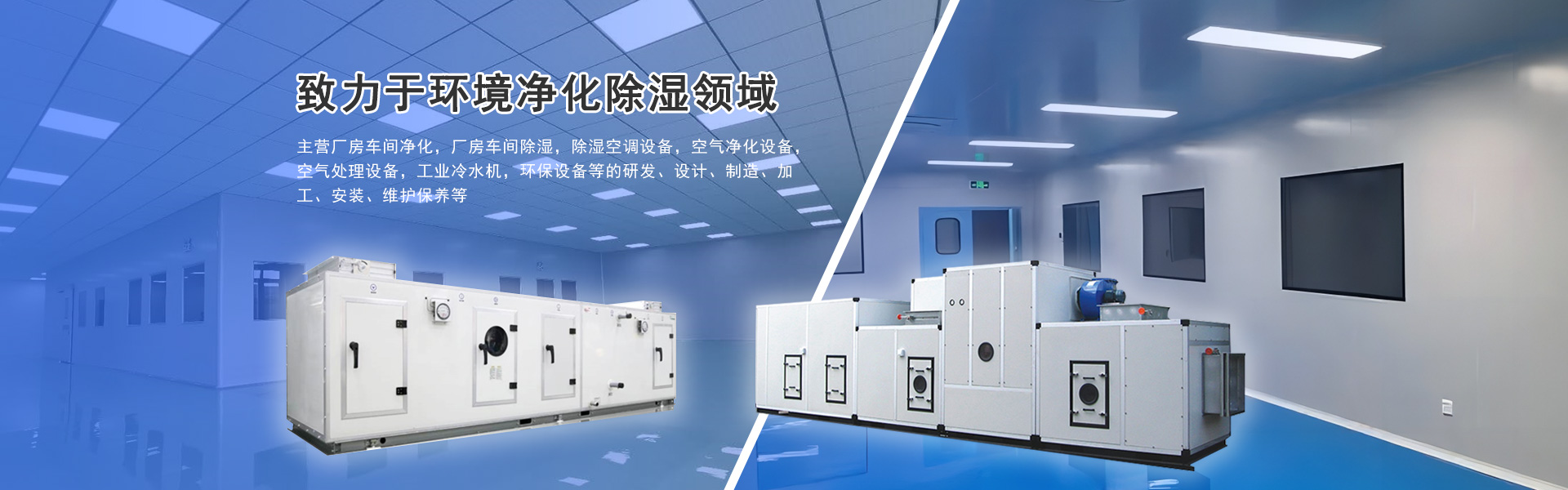
Warehouse Purification/Warehouse Dehumidification
Constant Temperature and Humidity Machine Series
Air Treatment System Series
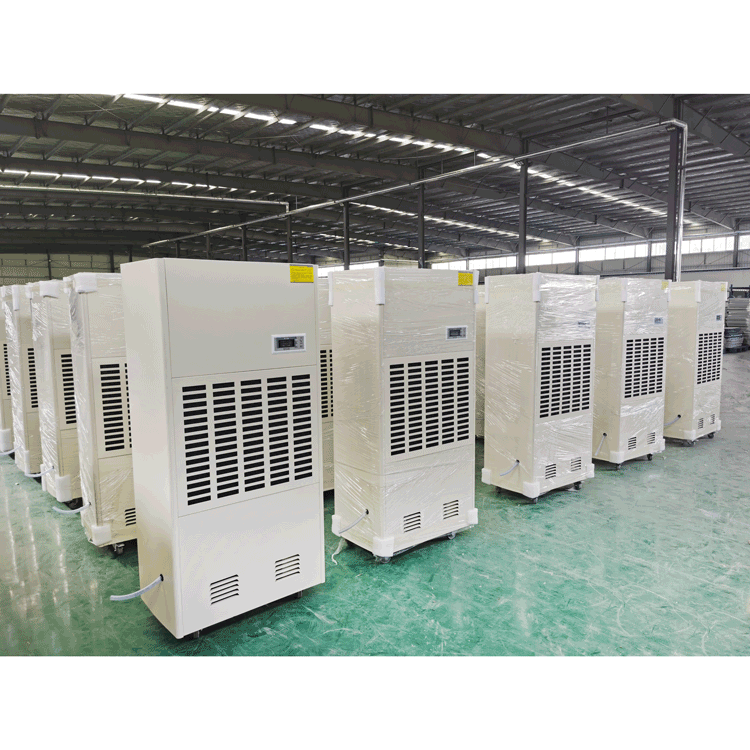
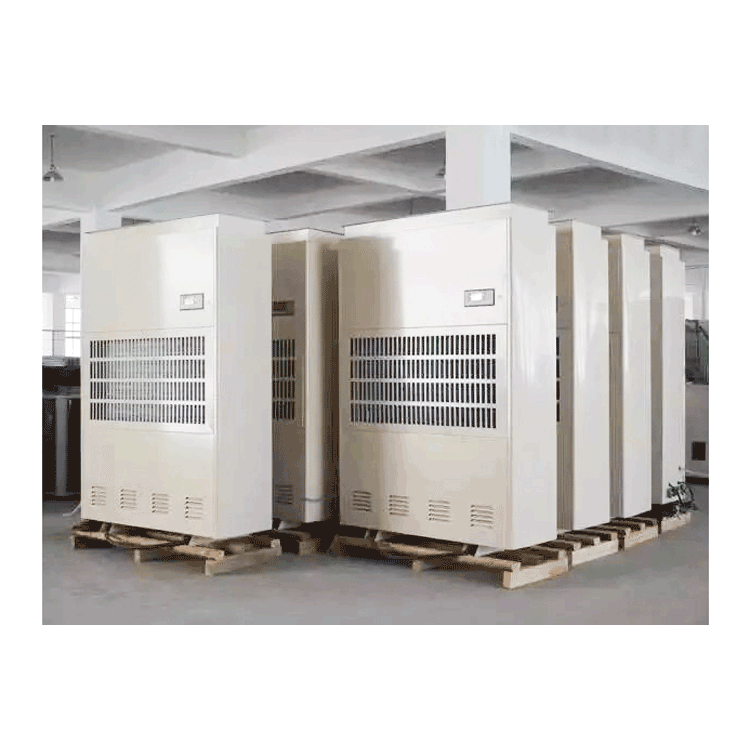
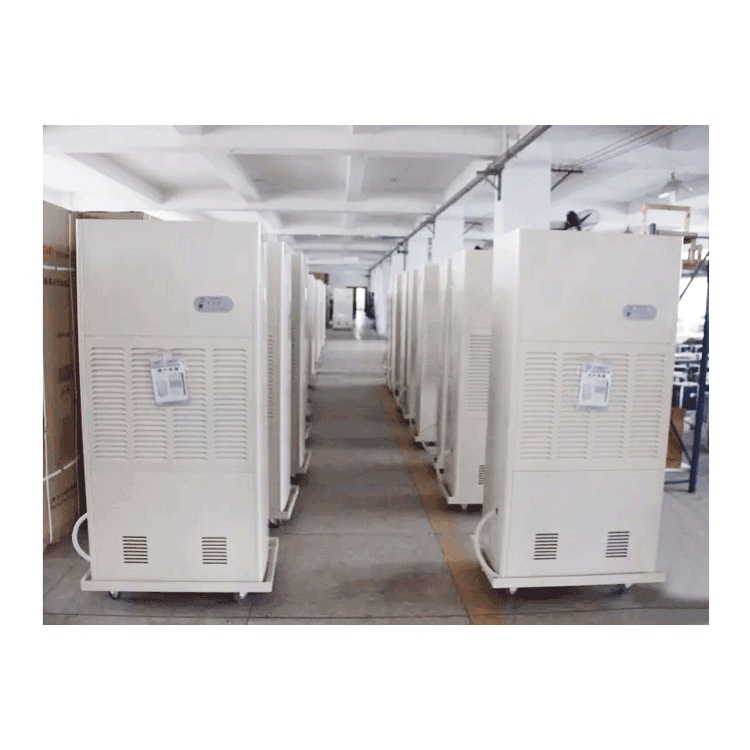
Dehumidifier Series
Cooling Machine Series
Air Conditioning Purification Equipment / Refrigeration Equipment





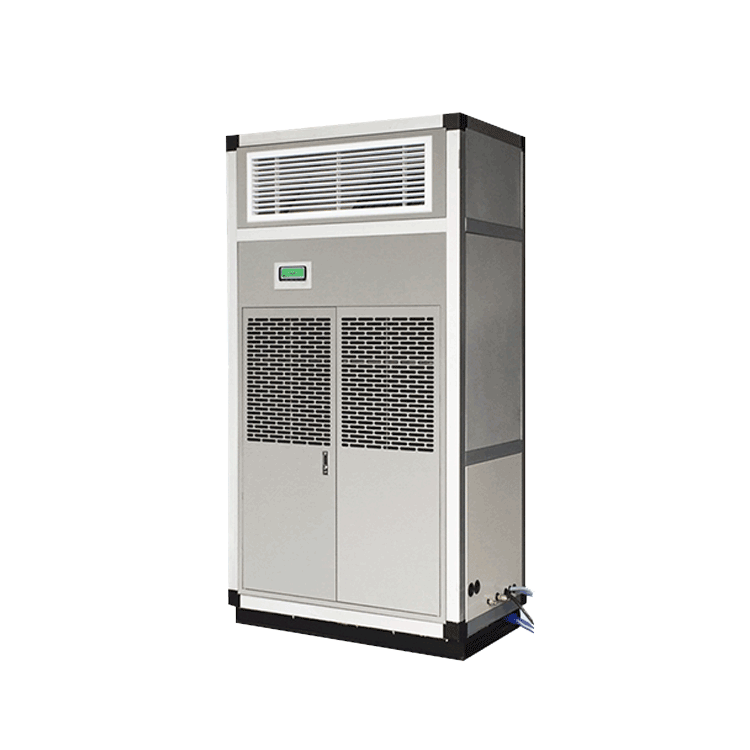
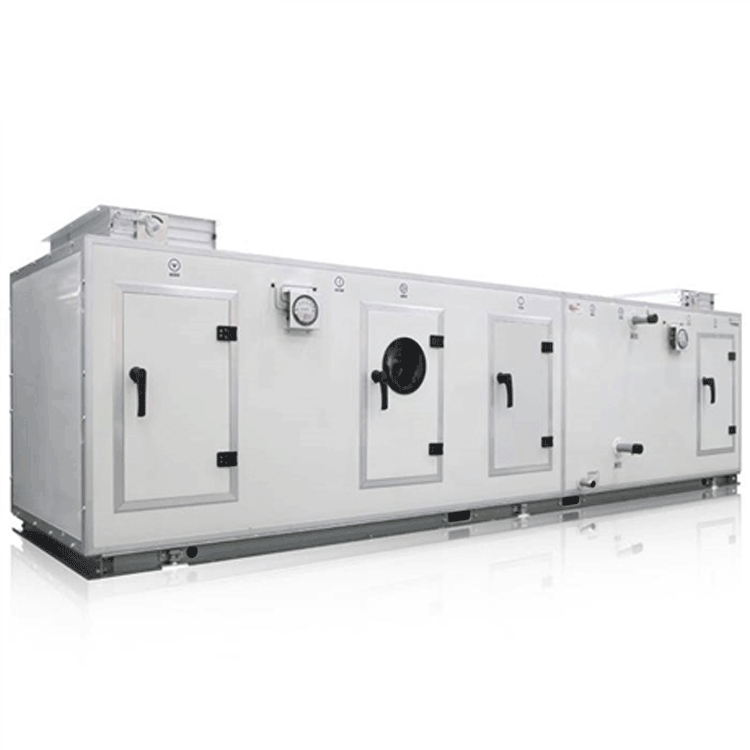
详情描述
Warehouse dehumidification
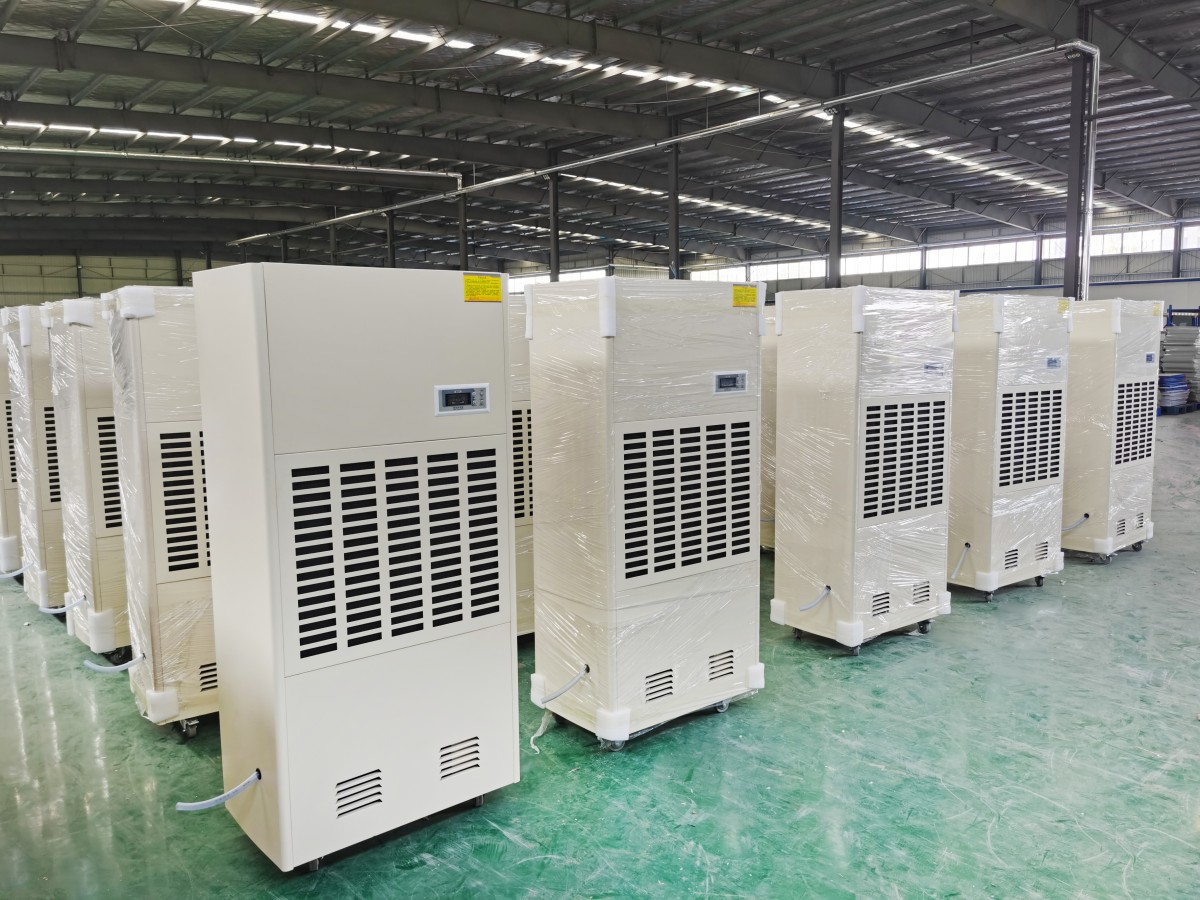
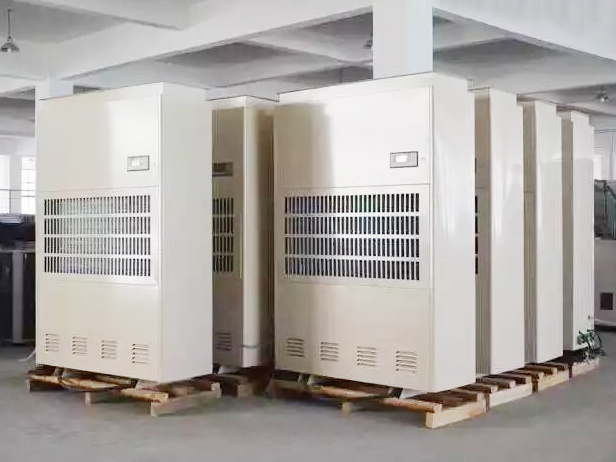

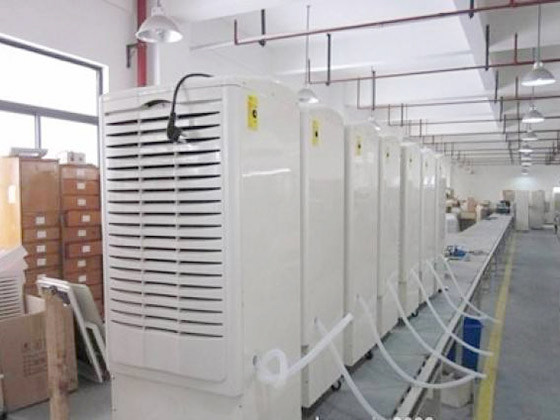
Humidity Control Methods for Factory Workshop
1. Air Conditioning System Dehumidification Function
Cleanroom facilities typically feature air conditioning systems, which are generally equipped with dehumidification capabilities. The air conditioning system operates by the condensation principle, cooling and freezing the water vapor in the air to condense it into droplets, which are then expelled from the facility. This effectively reduces the relative humidity within the room.
When using an air conditioning system for dehumidification, please note the following points:
Set appropriate temperature and humidity control parameters, adjusting according to workshop requirements.
Regularly clean and maintain the air conditioning system to ensure proper operation and dehumidification efficiency.
Humidifier and Dehumidifier Combination Use
In some cases, the dehumidification function of the air conditioning system may not meet the needs of the workshop. In such instances, consider using a combination of humidifiers and dehumidifiers. Humidifiers can increase the humidity in the workshop, while dehumidifiers can remove excessive moisture. By adjusting the operational states of both and using them in tandem, a better humidity control effect can be achieved.
However, when using a combination of humidifier and dehumidifier, note the following:
Ensure the placement and quantity of humidifiers and dehumidifiers are appropriate for even humidity distribution.
According to the humidity changes in the workshop and requirements, adjust the humidifier and dehumidifier's operating modes and parameters accordingly.
3. Moisture and ventilation system
A moisture and ventilation system is a common and effective method for dehumidification in dust-free cleanroom environments. It works by expelling moist air from the facility and allowing fresh, dry air to enter. Moisture control in the system can be achieved through the installation of dehumidifiers and the setting up of humidity sensors.
When using dehumidification ventilation systems for moisture control, the following key points should be noted:
Design rational ventilation pathways and outlet locations to ensure the dehumidification system can effectively expel moisture.
Regularly inspect and maintain ventilation equipment and pipes to ensure proper operation and dehumidification effectiveness.
4. Desiccant Usage
Desiccants offer a simple and convenient method for moisture control. Typically, desiccants are substances capable of absorbing moisture from the air, such as silica gel and activated carbon. Placing desiccants in the workshop can absorb and reduce the humidity in the air.
When using desiccants, be mindful of the following points:
Select the appropriate amount and type of desiccant based on the workshop size and humidity conditions.
Regularly replace and maintain desiccant to ensure its continuous moisture-absorbing effect.
In addition to the aforementioned methods, there are other auxiliary dehumidification measures, such as heating equipment and humidity control systems. Depending on the specific needs and actual conditions of the cleanroom, a combination of various methods can be employed to achieve a better dehumidification effect.
It is important to note that the following principles should be followed during the dehumidification process:
Regularly monitor and record the humidity levels in the workshop to take timely measures for adjustment and optimization.
Avoid sharp changes in humidity; a gradual adjustment is recommended to ensure stability and safety.
Maintain a well-ventilated system to ensure unobstructed airflow and provide fresh, dry air.
Regularly clean and maintain dehumidification equipment to ensure proper operation and dehumidifying effectiveness.
Establish Standard Operating Procedures (SOP) and train relevant personnel to ensure the correct use and operation of dehumidification methods.
By selecting and combining the above dehumidification methods appropriately, a cleanroom can effectively control humidity, preventing issues caused by excessive moisture, such as mold growth and equipment corrosion. Dehumidification not only helps improve production efficiency and product quality but also creates a comfortable and healthy work environment.
Based on the specific requirements and conditions of the cleanroom, various factors such as budget and energy consumption should be considered when selecting an appropriate dehumidification method. Emphasizing the importance of dehumidification and strengthening monitoring and maintenance will help maintain the cleanliness and stability of the cleanroom.
询价单


