






A piston accumulator is a hydraulic accumulator that stores energy in the form of pressurized fluid. It consists of a cylindrical chamber divided into two compartments by a piston. One compartment contains gas, typically nitrogen, while the other contains hydraulic fluid.
The working principle of the reciprocating accumulator includes the following steps:
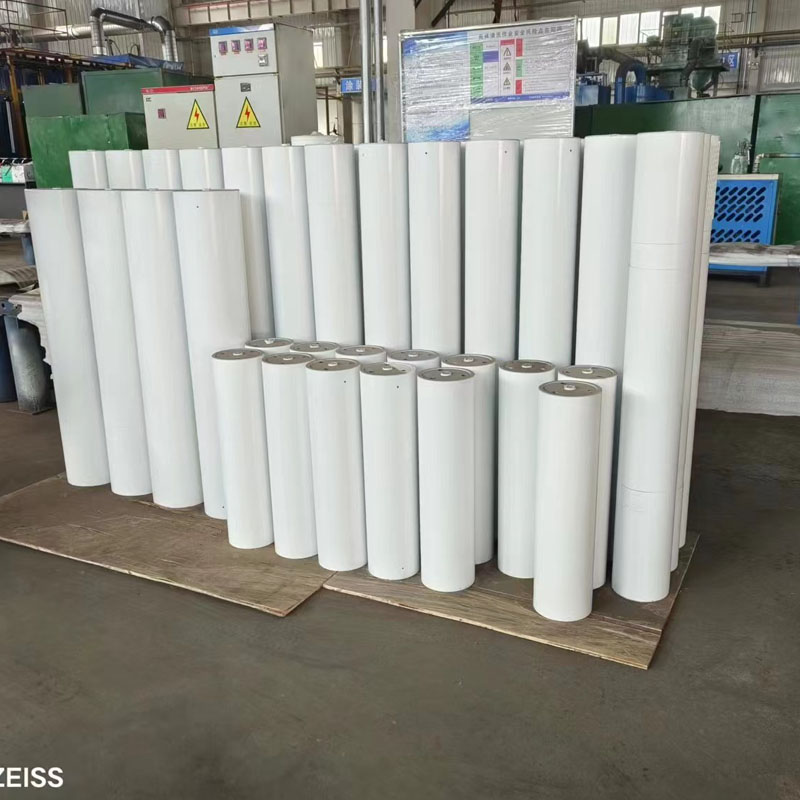
Initial State: At rest, the piston is positioned in the middle of the accumulator, separating the gas and hydraulic oil chambers. The gas chamber is pre-filled with nitrogen to a specific pressure.
Compression Stroke: As hydraulic fluid enters the accumulator under pressure, it pushes against the piston, compressing the gas in another chamber. The gas volume decreases, pressure increases, and potential energy is stored.
Energy Storage: As the hydraulic system continues to supply fluid, the piston further moves towards the gas chamber, further compressing the gas and increasing its pressure. Energy is stored in the compressed gas and hydraulic fluid.
accumulator discharge: When hydraulic energy is needed, such as when a sudden load requires additional power, high-pressure hydraulic fluid is released from the accumulator. Then, the stored energy in the compressed gas and fluid is used to replenish the hydraulic system, providing an instantaneous boost in pressure and flow.
Recharge: Post-discharge, the hydraulic oil is refilled into the accumulator, while the gas chamber remains pressurized with nitrogen. This process ensures the accumulator is prepared for the next energy storage and release cycle.
Piston accumulators offer several advantages, including high energy storage capacity, rapid response time, and control over stored energy. They are commonly used in applications requiring fast and powerful hydraulic energy transmission, such as heavy machinery, presses, and hydraulic systems, where rapid actuation or emergency energy supply is crucial.
Note that the described working principle is a general explanation of the piston accumulator operation. Piston accumulators may have different variants, with specific designs and features potentially varying by manufacturer and intended application.
