


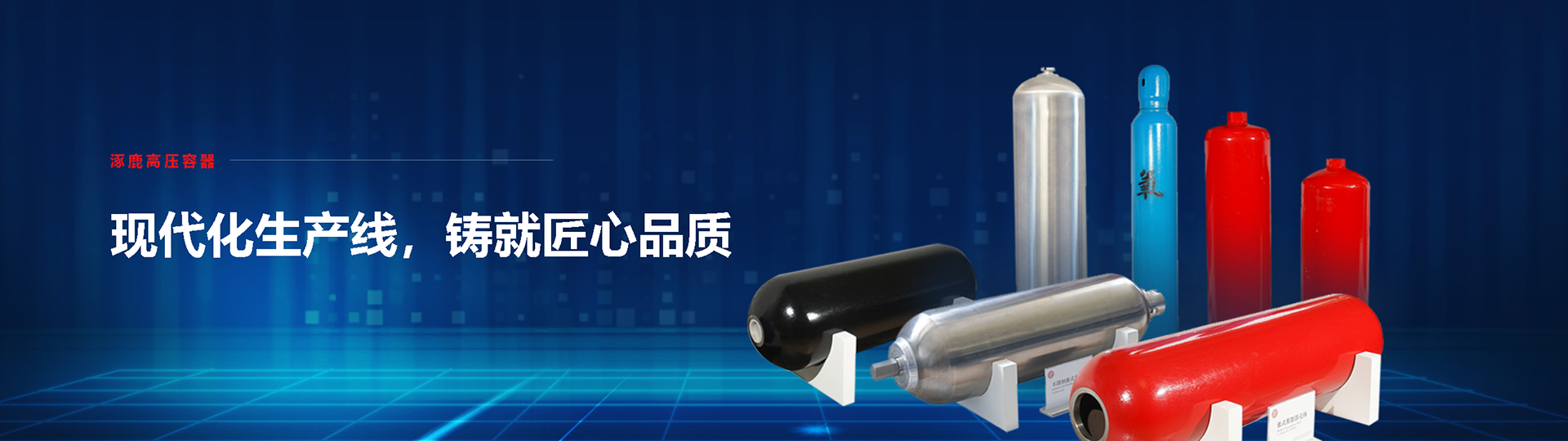



A bladder-type energy storage device is commonly used for storing energy in liquids or gases. It consists of a flexible bladder (also known as a diaphragm) and a container. When the bladder-type energy storage device is inflated, there are several key points to note:
Ensure Safety: Prior to inflation, make sure the system is in a stopped state and appropriate safety measures are taken, such as closing relevant valves and releasing pressure. Avoid inflating the bladder-type accumulator under high pressure.
Apply Appropriate Pressure: Refer to the manufacturer's specifications and operating manual to determine the allowable pressure for the bladder-type accumulator.Translation not provided due to the lack of Chinese content.Excessive inflation pressure. Strictly prohibited beyond the permitted limit.SpecialHigh pressure can lead to bladder rupture or equipment damage.
Inflating Medium: Confirm the inflation medium to be used, which is typically a gas (such as nitrogen) or a liquid (such as hydraulic oil). Ensure the inflation medium is dry, clean, and meets all specifications.
Inflating Tools: Utilize a dedicated inflating tool to control the inflation process. This is typically a device featuring a pressure gauge and control valve, enabling monitoring and adjustment of inflation pressure.
Monitor the inflation process: During inflation, closely monitor the pressure changes of the bladder-type accumulator. Ensure a moderate inflation rate to avoid rapid inflation and prevent bladder rupture.
Pre-inflated Pressure: Some bladder-type energy storage devices require pre-inflation to a specific pressure to maintain system efficiency during startup. Ensure the pre-inflated pressure meets the manufacturer's recommendations.
Pressure Test: After inflation is complete, a pressure test is conducted to ensure the internal pressure of the bladder-type energy storage device remains stable and no leakage issues were detected during the inflation process.
Labeling and Documentation: Mark the inflation date and pressure on the bladder accumulator, and record this information in the equipment maintenance log for future maintenance and monitoring.
Please note that inflation and maintenance of the bladder-type accumulator are typically performed by experienced technicians or professionals. If you are unfamiliar with the procedures, please seek assistance to ensure safety and accuracy in operation.
