


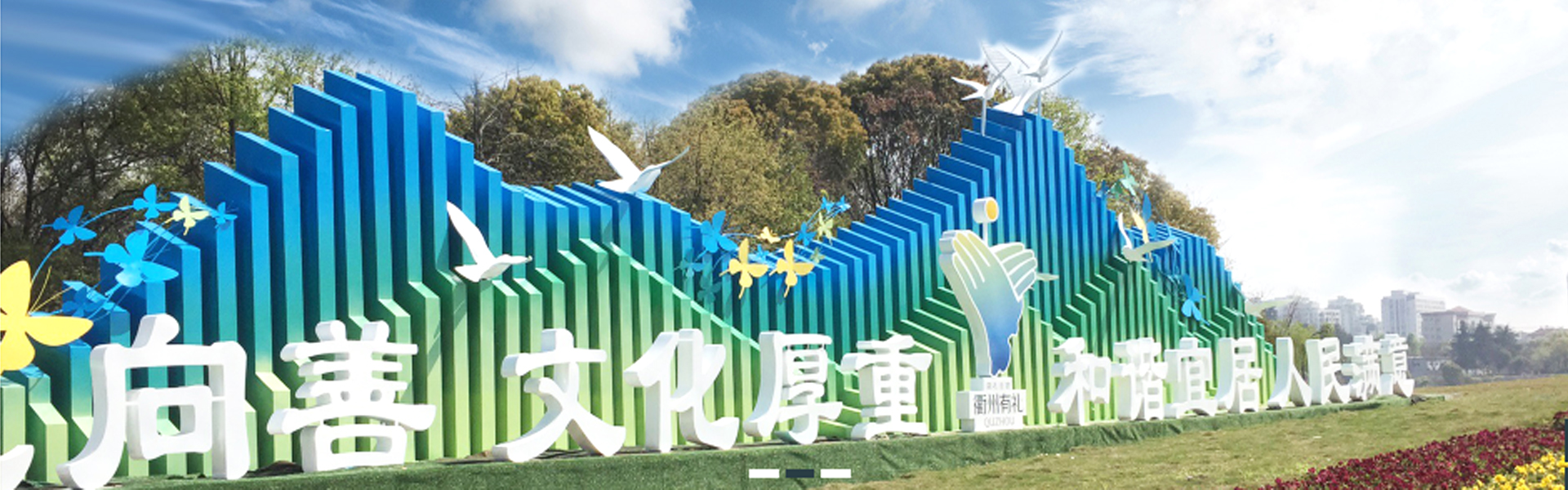

In the production of glass fiber reinforced plastic sculptures, common surface treatment methods include the following:
Polishing: By using sandpaper, grinding wheels, and other tools, the surface of the fiberglass sculpture is polished to remove rough edges, making it smoother.
2. Painting: Using spray or brush techniques, appropriate coatings are applied to the sculpture's surface, enhancing color and luster while also providing protection.
3. Painted Art: Utilizing paints or artistic materials, create paintings or graffiti on the surface of glass fiber sculptures to produce unique artistic effects.
4. Gold or Silver Foil Application: Applying gold or silver foil to the surface of sculptures enhances luster and luxury, commonly used in decorative settings.
5. Electroplating: By using the electrolysis principle, a layer of metal, such as chrome or nickel, is plated onto the surface of the sculpture, enhancing its hardness and wear resistance.
6. Polishing: Utilize polishing agents and tools to buff the sculpture's surface, achieving a mirror-like luster.
7. Carving: Creating textures or patterns on the surface of sculptures through carving or etching techniques, enhancing their three-dimensional effect and artistic appeal.
8. Stone or Wood模仿Treatment: Utilizing special coatings or techniques, glass fiber reinforced plastic sculptures achieve the texture and effect of stone or wood.
These surface treatments can be used individually or in combination, selecting the appropriate method based on the design requirements and style of the sculpture. Surface treatments not only enhance the aesthetic quality of fiberglass sculptures but also improve their durability and artistic value. When conducting surface treatments, attention should be paid to material selection and construction techniques to ensure optimal results.
