


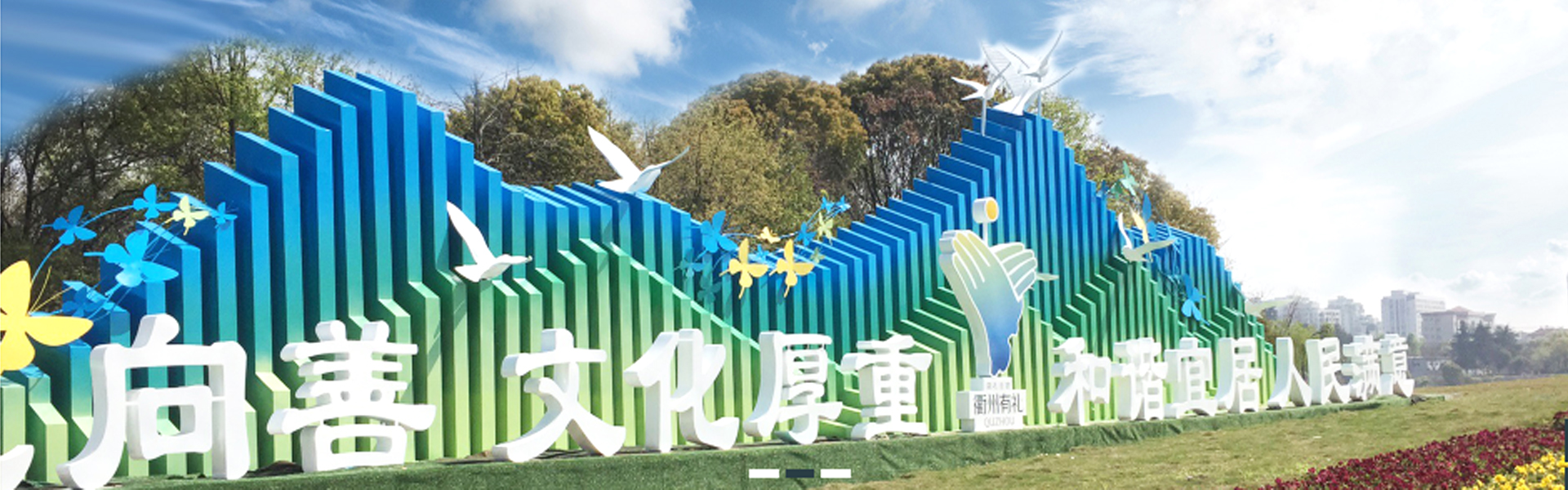

Fiberglass sculptures are sculptures crafted from fiberglass, a fiber-reinforced plastic known for its lightweight, high strength, and corrosion resistance.
The process of making glass fiber reinforced plastic sculptures typically involves design, mold making, shaping, and surface treatment. Designers create the sculpture's shape and style based on requirements and creativity. Next, molds are produced, and the glass fiber material is poured into the mold, where it solidifies and takes the initial form of the sculpture. Surface treatments such as sanding and painting are then performed to enhance the sculpture's aesthetics and durability.
Fiberglass sculptures offer numerous advantages. They are lighter than traditional materials such as bronze and marble, making them easier to install and transport. Additionally, fiberglass boasts excellent corrosion resistance, capable of withstanding various outdoor environments. Moreover, fiberglass sculptures can be colored or coated to present a rich array of colors and textures, offering versatile expressiveness.
Fiberglass sculptures have a wide range of applications, commonly found in parks, squares, shopping malls, hotels, and other locations. They can be crafted into various styles and themes, such as abstract, realistic, animal, and human figures, adding an artistic atmosphere and decorative effect to the environment.
Glass fiber reinforced plastic sculptures offer a cost-effective and quicker production cycle compared to sculptures made from other materials, making them competitive in the market. However, they do have limitations, such as potentially lower durability and texture compared to traditional materials. With ongoing technological advancements, these issues are gradually being addressed.
Overall, fiberglass sculptures, as a modern form of sculpture, offer people a wealth of artistic choices and creative possibilities with their lightweight, corrosion-resistant, and colorful features.
