


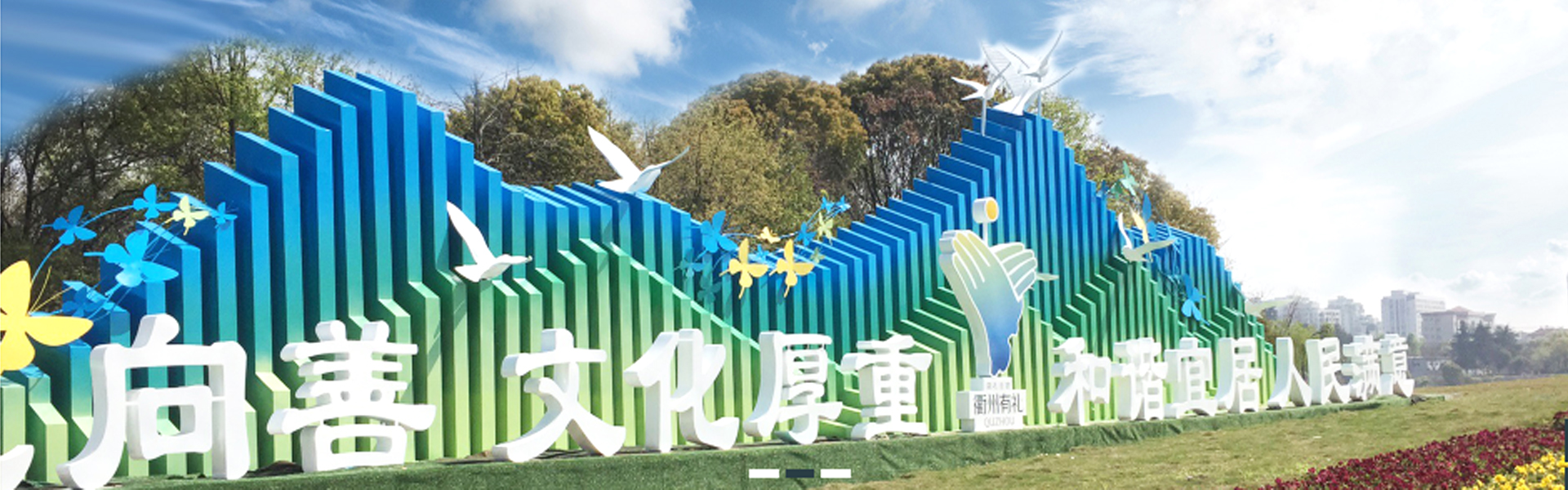

Stainless steel sculptures are a form of art that primarily uses stainless steel as the main material. They boast advantages such as corrosion and wear resistance, high strength, and ease of cleaning, making them widely used in urban landscapes, public spaces, and commercial areas.
The production process of stainless steel sculptures typically involves multiple stages, including design, model creation, material selection, and processing techniques. During the design phase, sculptors must determine the theme, form, and dimensions based on the client's requirements and the site's environment, and develop detailed design plans. Model creation then transforms these plans into a physical model, facilitating better visualization and adjustment of the sculpture's form and proportions.
In terms of material selection, stainless steel grades 304 or 316 are commonly used, as they offer excellent corrosion resistance and mechanical properties, ensuring long-term stability and durability for sculptures. The processing techniques include cutting, welding, sanding, and polishing, which require high levels of skill and experience to guarantee both the quality and aesthetic appeal of the sculptures.
Stainless steel sculptures come in a wide variety of forms, including abstract, representational, realistic, or decorative. They can express rich meanings and emotions through various shapes, lines, textures, and light and shadow effects, providing both visual pleasure and spiritual inspiration.
Moreover, stainless steel sculptures boast strong decorative and functional qualities. They can blend with the surrounding environment, adding an artistic ambiance and aesthetic to urban spaces; at the same time, they can also serve as iconic buildings or landmarks, providing directional guidance and a sense of identity for people.
In summary, as a modern form of sculpture art, stainless steel sculptures play a significant role in urban development and the cultural and artistic sectors. Not only are they artistic creations, but they also serve as cultural carriers and spiritual symbols, reflecting humanity's pursuit of a better life and love for art.
