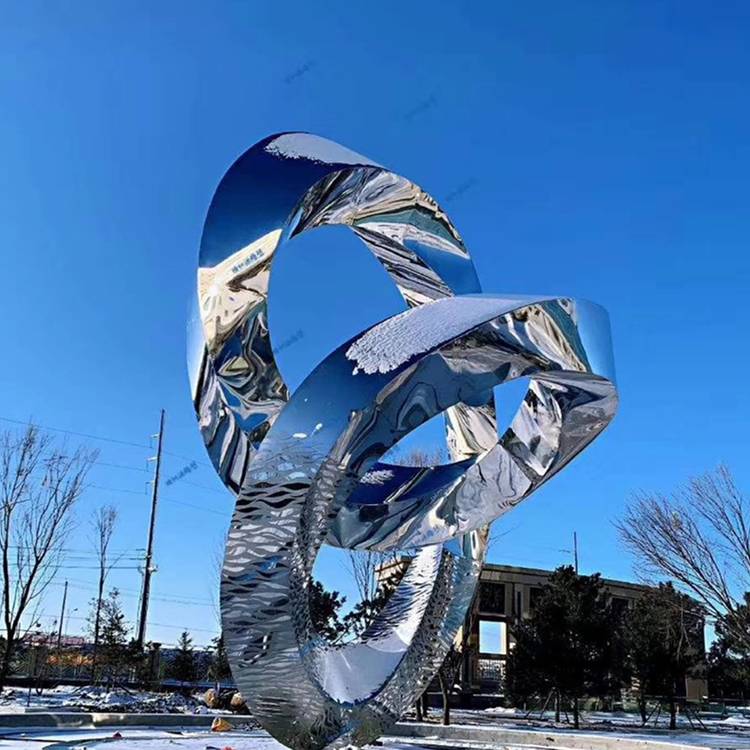


The impact of different surface treatment methods on the processing cost of stainless steel sculptures is significant. Here is a detailed analysis:
Polishing and Buffing Treatment
Cost Composition and Influencing Factors:
Labor costsPolishing is a meticulous and time-consuming process, requiring workers to use various grit sandpapers and abrasive discs, progressing from coarse grinding to fine grinding, and finally using a polishing machine in conjunction with polishing wax for the final shine. If the sculpture has complex shapes and a large surface area, the required labor hours increase significantly, leading to a substantial rise in labor costs. For instance, a large, detailed stainless steel figure sculpture with numerous intricate details and curved shapes may take several workers several days or even longer to achieve the desired effect, with labor costs accounting for a large portion of the total cost for this stage.
Material Cost AspectDuring the polishing process, materials such as sandpaper, grinding discs, and polishing wax are continuously consumed, especially for achieving a high mirror finish, where high-quality polishing materials are required, and their procurement costs should not be underestimated. Moreover, as the size of the sculpture increases, the amount of materials used also rises, leading to a corresponding increase in costs.
Overall cost impactGenerally, the cost of simple polishing and buffing treatments may be slightly lower compared to other complex surface finishing methods. However, for large-scale sculptures with high precision requirements, this cost cannot be overlooked. Overall, it can increase the total cost of stainless steel sculpture processing by a certain margin, typically around 10% - 30% of the entire processing cost, with the specific ratio varying depending on the sculpture's specific circumstances.
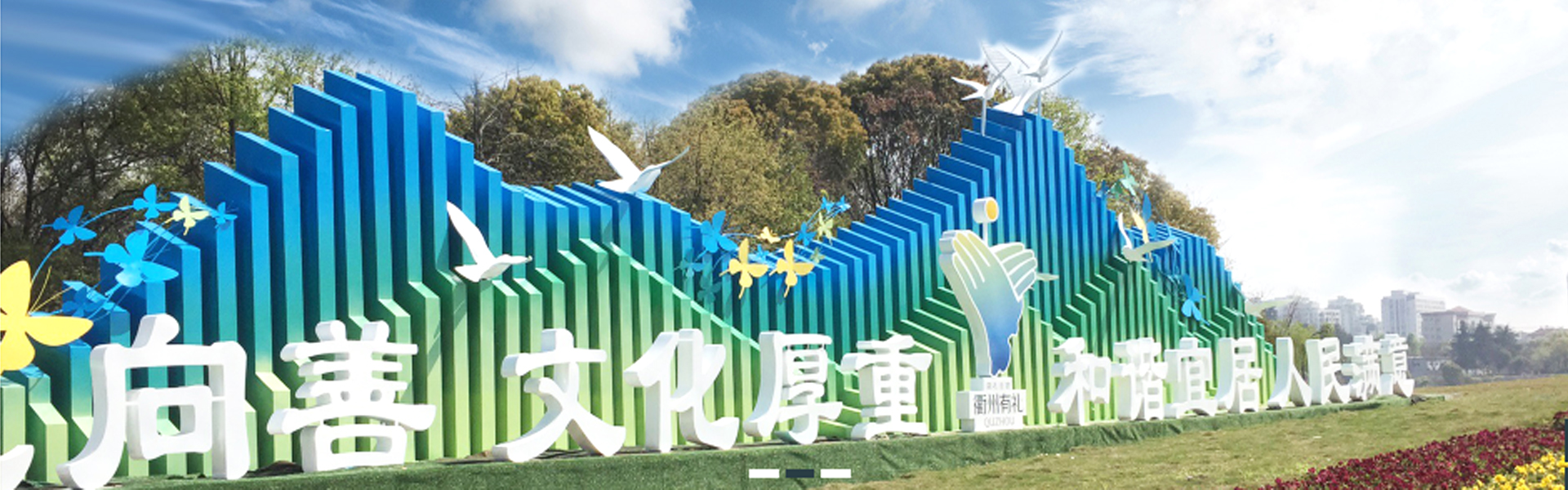
Color Treatment
Cost Composition and Influencing Factors:
Process cost aspectCommon methods for coloring treatment include thermal spraying and electroplating. Thermal spraying requires specialized equipment to heat the paint and evenly spray it onto the sculpture's surface, resulting in high costs for equipment purchase, operation, and maintenance. Electroplating involves complex chemical processes, necessitating professional electroplating tanks, electrolytes, and strict environmental control, with high technical requirements for operators, all contributing to higher process costs.
Material cost aspectRegardless of the coloring method used, the prices of raw materials such as paints and electroplating solutions vary. However, to achieve even, durable, and aesthetically pleasing coloring effects, it is often necessary to opt for higher-quality materials. Moreover, the amount required is calculated based on the surface area of the sculpture, and for large-scale sculptures, the material cost can be quite substantial.
Overall Cost ImpactColoring processing adds a significant additional cost compared to the basic surface treatment of sanding and polishing. It can increase the overall processing cost of stainless steel sculptures by approximately 20% to 50%, especially for outdoor sculptures that demand high color effects and weather resistance, where the coloring cost is even higher and constitutes a more prominent portion of the overall cost.
Lathing treatment
Cost Components and Influencing Factors:
Labor and equipment costsThe process of brushing involves workers using specialized brushing tools or machinery to apply a certain direction and force to the surface of stainless steel, creating a unique textured effect. This requires skilled operation proficiency, and the investment in equipment also constitutes a cost. The depreciation and maintenance expenses of the equipment are distributed to the processing costs during operation.
Efficiency Impacts on CostCompared to simple polishing and buffing, the efficiency of brushed finish processing is often lower, especially for complex shapes and large-scale sculptures. Ensuring consistency and aesthetic appeal in the brushed finish requires more time and effort, thereby increasing labor costs.
Overall cost impactLathing processing typically increases the cost of stainless steel sculpture fabrication by about 15% to 35%, depending on the complexity of the sculpture's design and surface area. This adds a certain amount of additional expenses to the base processing cost, impacting it significantly.
Etching Process
Cost Structure and Influencing Factors:
Technology and Equipment CostEtching processing involves creating decorative patterns and text on stainless steel surfaces through chemical etching solutions or laser etching methods. Chemical etching requires specialized etching solutions and protective equipment to handle chemical reactions and waste disposal during the process; laser etching necessitates high-precision laser equipment, which is expensive to purchase. Moreover, regardless of the etching method, precise control is required by professional operators, resulting in high technical costs.
Design and preparation costsBefore etching, meticulous design of the patterns and texts to be etched is required, which may involve copyright fees (if using someone else's design patterns, etc.) and preparatory steps such as making etching templates, all of which add to the cost.
Overall cost impactEtching processing is a more complex and costly surface treatment method, which can increase the processing cost of stainless steel sculptures by approximately 30% to 60%, significantly impacting the overall cost of the sculpture manufacturing. However, it is capable of creating unique artistic effects, making it suitable for sculptures with specific themes and high artistic expression requirements.
In summary, different surface treatment methods, due to variations in process complexity, material usage, and labor input, have varying and noticeable impacts on the cost of stainless steel sculpture processing.