
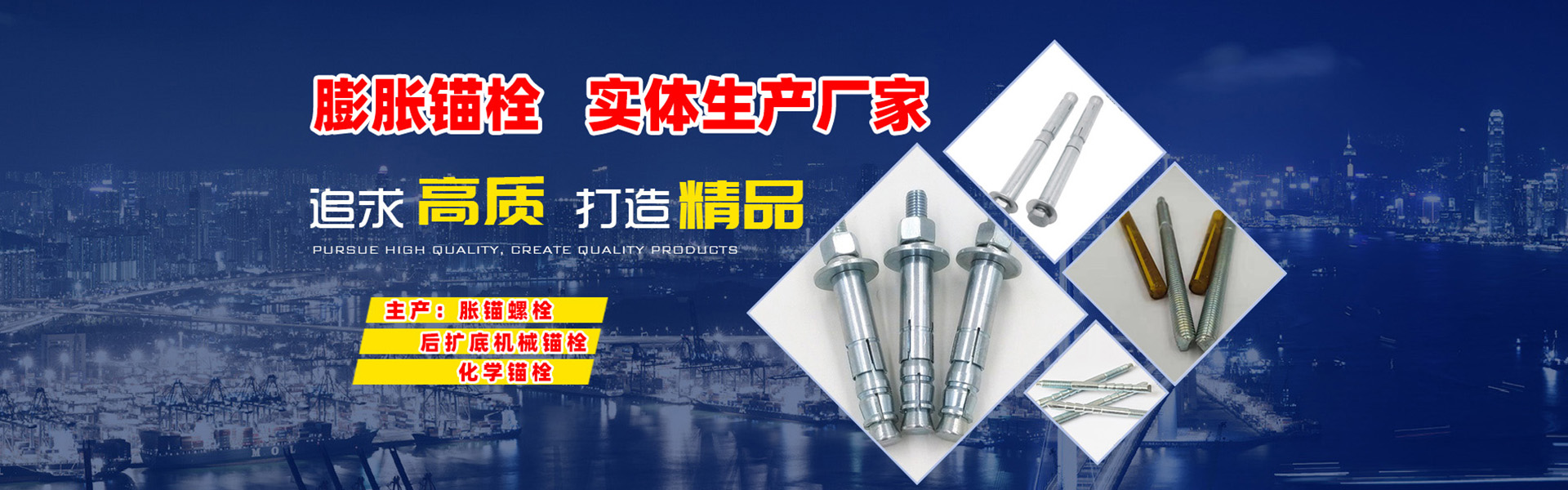


Galvanizing is a surface treatment technique that involves applying a layer of zinc to the surface of metals, alloys, or other materials for aesthetic and corrosion-resistant purposes. The primary method currently used is hot-dip galvanizing. Hot-dip galvanizing has evolved from older hot-dip methods and has a history of 140 years since it was first applied in industry by France in 1836. However, the hot-dip galvanizing industry has experienced significant growth in the past three decades, coinciding with the rapid development of cold-rolled steel strips. The production process for hot-dip galvanized sheets includes: original sheet preparation → pretreatment → hot dipping → post-treatment → finished product inspection. By convention, galvanized metal parts can maintain rust-free condition for about 5 to 7 years if they do not come into contact with moisture, although they will not withstand saltwater testing for more than 4 hours. Hot-dip galvanizing involves covering metal parts with a zinc-tin solution, which offers about five times the corrosion resistance of traditional galvanizing. Generally, outdoor construction uses hot-dip galvanizing, which can withstand saltwater testing for about 36 hours. The currently recognized method for the best corrosion resistance is the application of Dacromet, which is now commonly used for automotive parts to prevent rust, with saltwater testing lasting typically over 96 hours. However, in extremely poor conditions, some may use "asphalt" for surface treatment.
News Center Co., Ltd.
