







详情描述
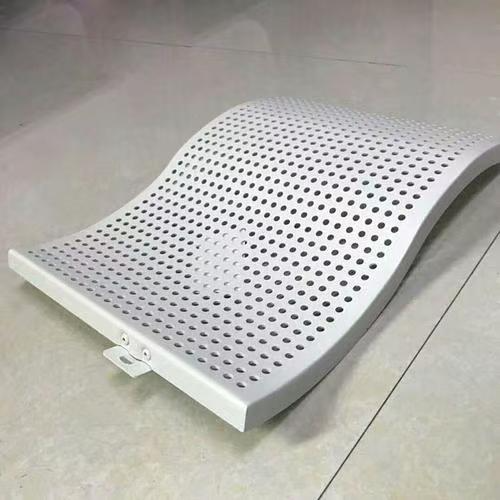
Aluminum composite panels can be divided into five main categories based on different classification criteria: by thickness specifications, they are divided into aluminum ceiling panels and architectural aluminum composite panels; by surface treatment processes, they include fluorocarbon coating, wood grain transfer printing, etc.; by material type, they are 3003, 5052 series aluminum alloy plates; by shape, they cover single-curved, double-curved, perforated, and other designs; and by application range, they are categorized into facade, ceiling, column wrapping, and other functional types.12
Categorized by thickness specifications
Aluminum Ceiling Tiles: Thickness ≤ 1.2mm, suitable for indoor suspended ceilings and lightweight partitions.12
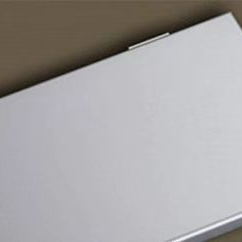
Building Aluminum Single Sheet: Thickness ≥ 1.5mm, mainly used in scenarios with high load-bearing requirements such as curtain walls and column wrapping.13
By surface treatment process classification
Fluorocarbon Coating: Excellent weather resistance, suitable for outdoor curtain walls (accounting for over 70% of exterior wall applications). 2 4
Anodizing: Forms a dense oxide film with strong corrosion resistance.
Wood Grain/Stone Grain Transfer Printing: Mimics natural material textures through thermal transfer technology, such as wood grain aluminum panels commonly used for indoor decoration.67
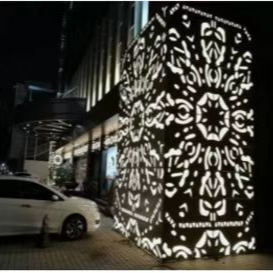
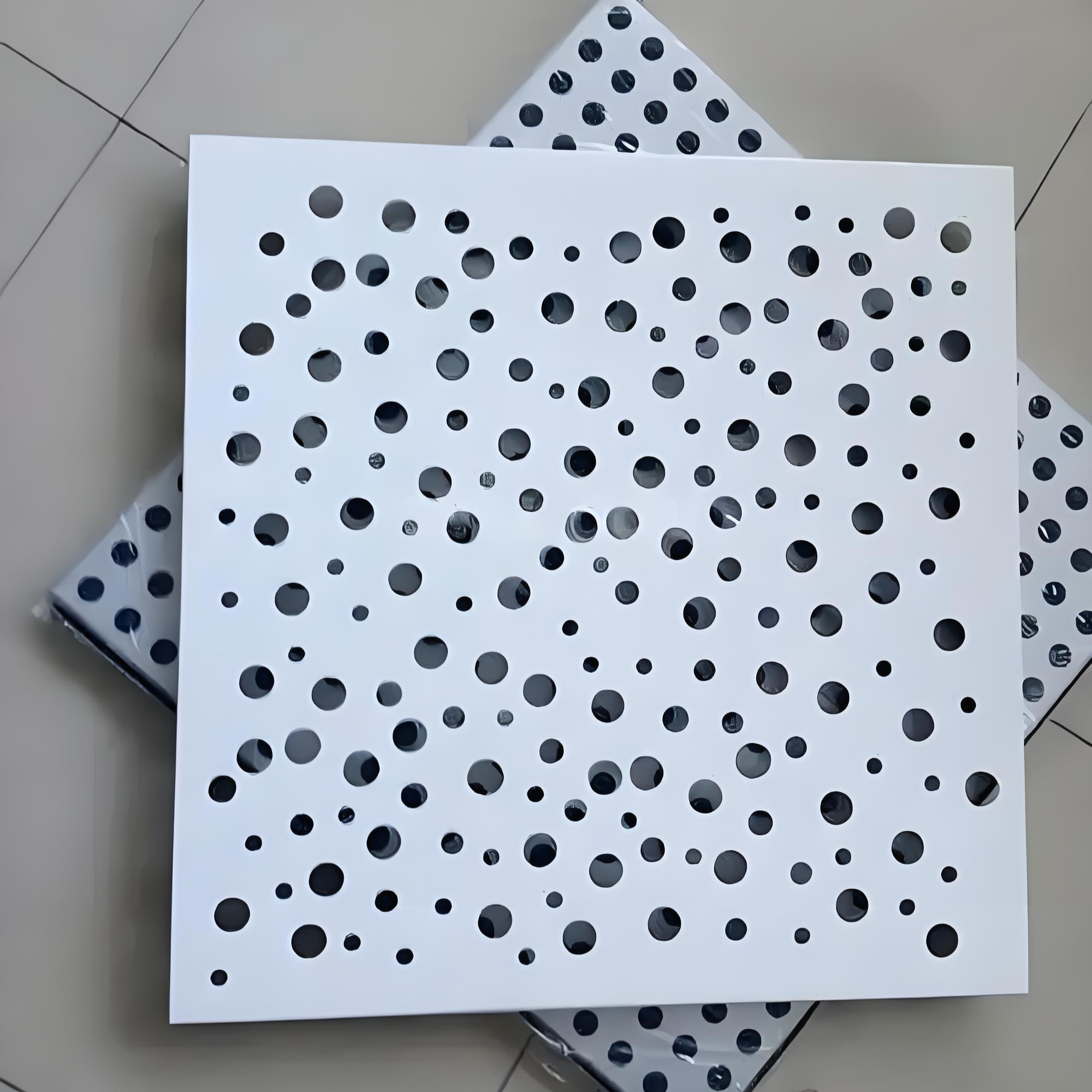
Punched/Hollowed Processing: Combines ventilation and decorative functions, with customizable hole patterns.


