

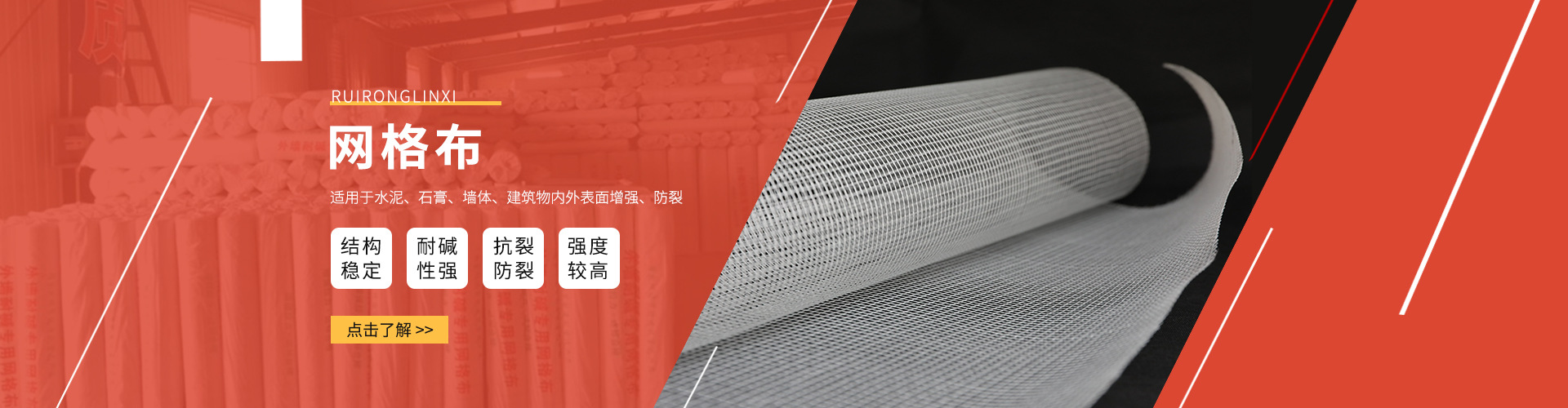
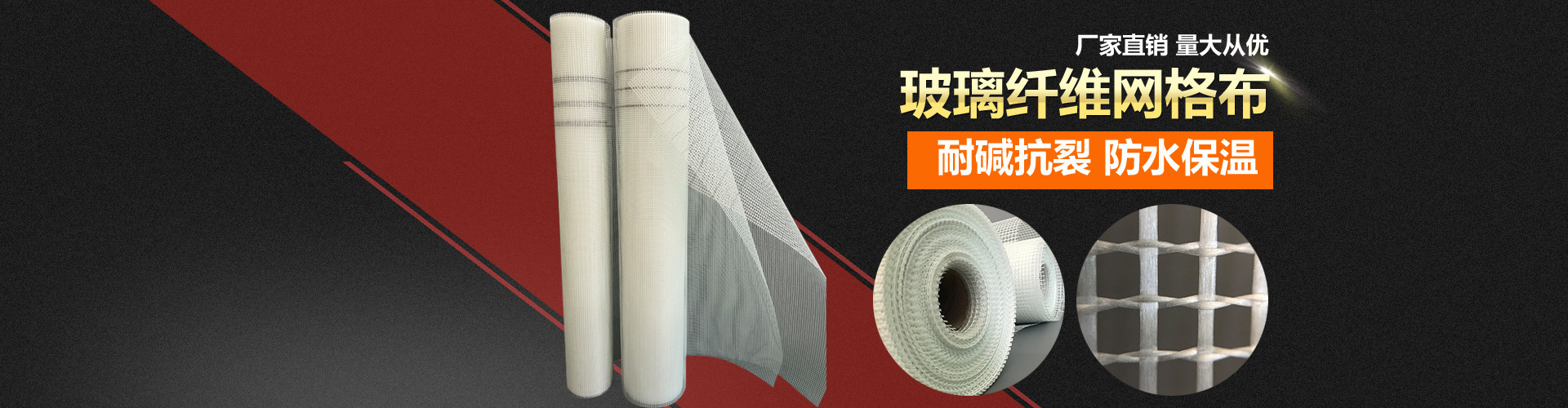

During alkali-resistant grid cloth installation, many auxiliary materials are required. Below, we discuss the necessary construction materials. Firstly, moisture-proof measures should be taken before starting the construction. Then, level the walls and floors. Next, use adhesive mortar to attach foam boards to the wall surface and level the ground. Secure them with insulation nails on the wall and apply a layer of base mortar on the foam boards.
Cross-apply alkali-resistant glass fiber mesh into the base mortar, followed by applying a layer of finishing mortar, then smoothing on flexible putty for surface treatment. From the construction site above, it can be observed that the following types of building materials are required: adhesive mortar, finishing mortar, foam boards, thermal insulation nails, putty, and surface architectural coatings, along with auxiliary tools such as trowels, pneumatic hammers, and wallpaper knives.
Therefore, construction is an engineering project within a management system, and poor handling at any stage can affect the overall construction quality of the entire project. Regarding the thermal insulation management system of the walls, the construction of this alkali-resistant glass fiber mesh product is particularly crucial. In the past, when people decorated and designed houses, they only paid great attention to the exterior appearance, not much valuing quality. Over time, the walls would show extensive gaps, which were not aesthetically pleasing. Sometimes, people would cover them up with wallpaper.
But this is only a general goal without a holistic approach. As time progresses, the issue of wall bursting will become increasingly grim, leading to additional safety risks. So, how can we address this problem at its root? During wall decoration, the use of high-quality alkali-resistant glass fiber mesh can greatly enhance the quality of the decorative design with its strong alkali resistance and tensile strength. Moreover, the mesh also significantly improves the adhesion between the tiles and the jointing compound layer, providing robust support for the integrity of the wall.
