
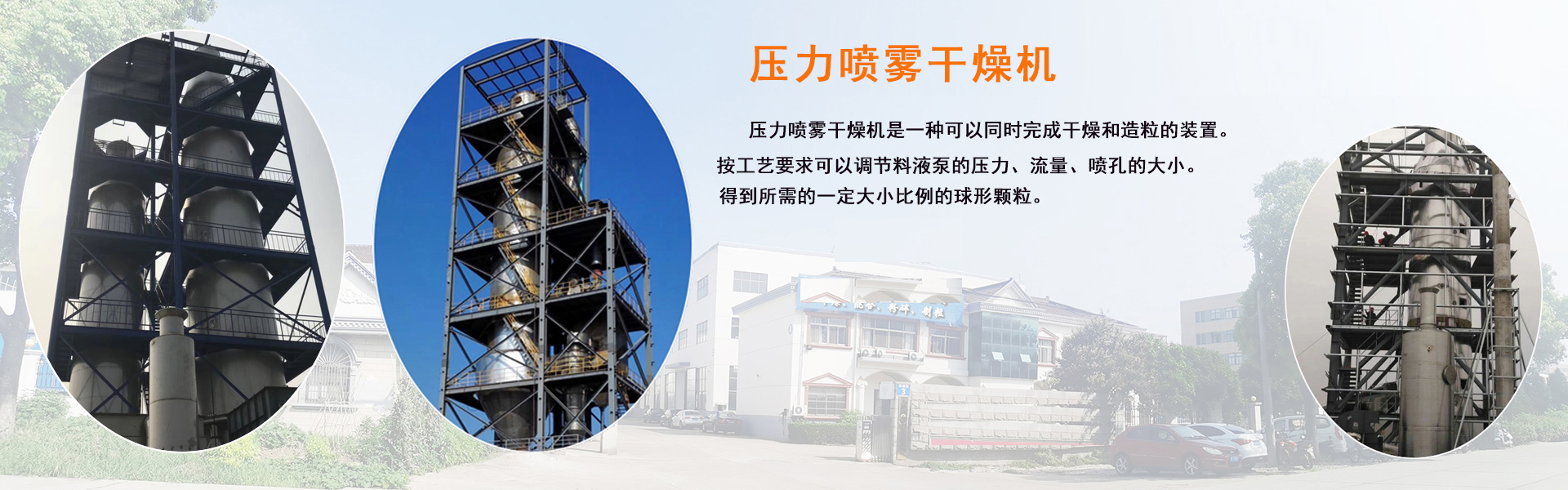

The installation steps for the pressure spray dryer are as follows:
1. According to the equipment layout diagram, first position the drying main unit, followed by connecting the pipes between the main unit and the heating unit. Position the heater.
2. Arrange the cyclone separator and bag dust collector according to the equipment layout diagram at the pre-set locations in the factory. First, connect the pipeline between the drying main unit and the cyclone separator, then connect the pipeline between the cyclone separator and the bag dust collector.
Connect the pipes between the hot air furnace and the blower, as well as between the air filter and the induced draft fan.
4. The vertical alignment of the drying main unit with the ground surface should be corrected, and the vertical alignment of the tower top of the pressure spray drying main unit with the ground should not exceed 10mm.
5. The dosing unit is in place and connected to the drying main unit.
6. When connecting pipes, asbestos rope or a sealing strip (silicone rubber sealing pads meeting relevant requirements are needed for those that require it).
Secure all fasteners at the connection points until the fastening plate is tight without any looseness.
8. Connect the electrical cabinet wiring, ensuring the cabinet is securely grounded with clear markings (wires should be run through conduits or conduit boxes).
After a period of operation, it is necessary to inspect and maintain the pressure spray dryer. For the feeding system, check the filters, pipes, valves, nozzles, etc., for blockages, and clean them regularly. Inspect the nozzle wear to replace them in a timely manner. Check if the feed pump is leaking oil, if the pressure is normal, and if the oil level is correct. For the fan, inspect the shaft and bearings for lack of oil and heat, vibrations, and noises, and clean the fan blades and balance them if necessary. For the heater, check if the heat pipes are functioning properly, and clean the filters at the pipeline, oil pump, and oil nozzle if needed. Additionally, pay attention to any overheating, vibrations, or unusual sounds in the motors, and ensure that the control cabinet's instruments and electrical equipment are operating normally.
