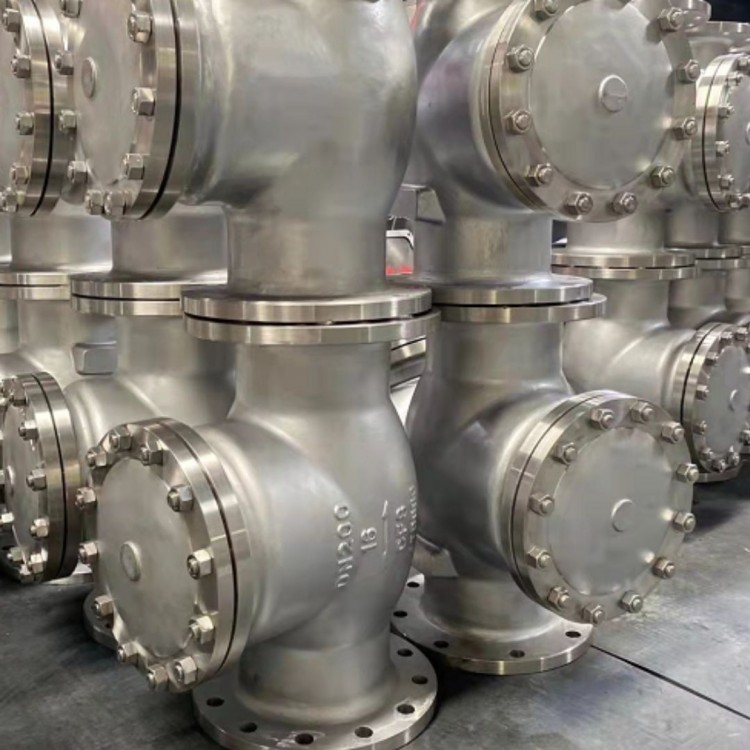
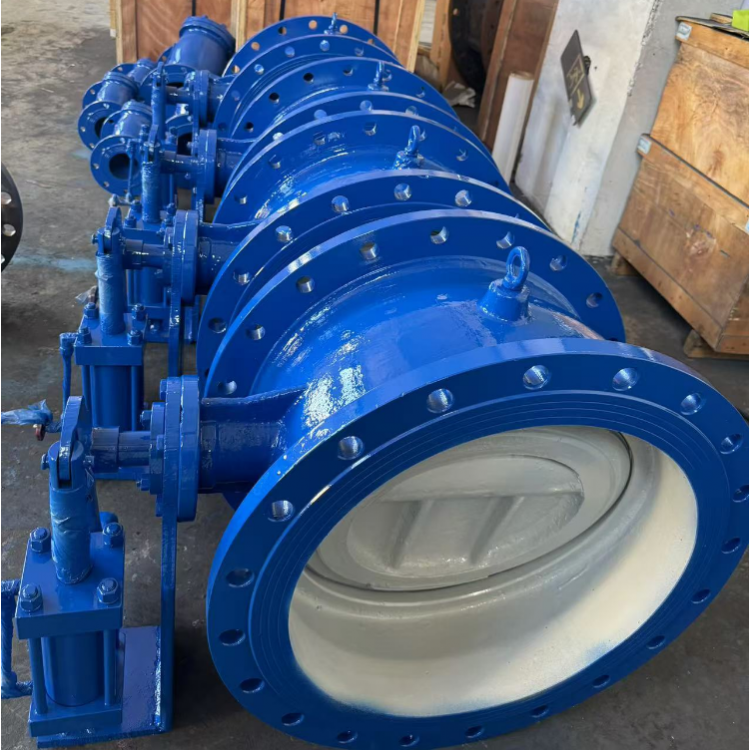
Valve manufacturing and sales, along with accessories

Air-actuated discharge valves are valves controlled by pneumatic actuators, primarily used in industrial equipment, especially for discharging, emptying, and draining materials from the bottom of reactors, tanks, and other containers.
Sample collection and no dead zone shutdown operations. The design pressure is typically not more than 0.6 MPa, and the operating temperature does not exceed 150°C.
The working principle of the pneumatic discharge valve is based on pneumatic control and a specially designed valve structure. Upon the gas source entering the solenoid valve, the solenoid valve automatically opens or closes the gas outlet, thereby controlling
Valve operation: Specifically, the valve automatically opens when the solenoid valve is powered on, and it automatically closes when the power is disconnected. Additionally, the pneumatic discharge valve can also be manually operated.
By turning the handwheel to control the valve's on/off.
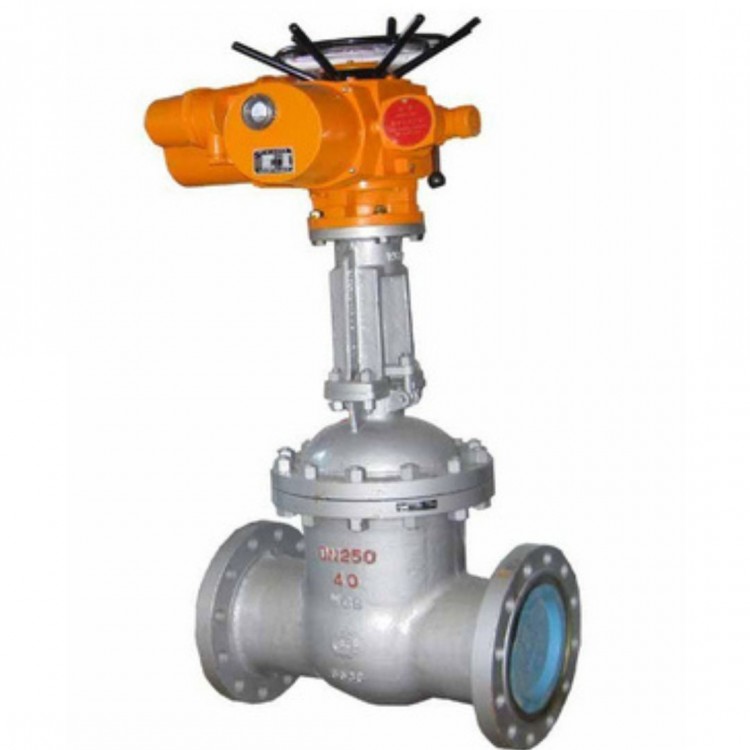
The pneumatic discharge valve is primarily composed of the following components:
Body ValveContainer for the flow of media.
2. Valve Disc:Components for controlling medium flow.
3. Sealing RingComponents Ensuring Valve Sealing Performance
4. Valve Rod:Component connecting valve discs to actuators.
5. Bracket:Component for supporting valve body.
6. Pressure Relief CoverProtecting valve rods and sealing rings components.
7. Handwheel:Components for manually operated valves.
8. Flange:Components for connecting valves.
Nut:Fixed flange components.
Positioning ScrewComponent adjusting valve positions.
The advantages of pneumatic discharge valves mainly include the following aspects:
1. User-friendly operationThe pneumatic discharge valve receives control signals from a pneumatic actuator, driving the valve to open and close with flexibility and ease. This driving method makes the operation of the valve more labor-saving.
It also allows for remote control, significantly enhancing work efficiency and ease of operation.
Sealed Performance ExcellenceThe pneumatic discharge valve's sealing structure is meticulously designed, featuring a sealing surface made of wear-resistant and corrosion-resistant materials, ensuring effective prevention of medium leakage when the valve is closed.
This superior sealing performance makes the pneumatic discharge valve excel in applications requiring high sealing standards, such as the transportation of hazardous materials like toxic, flammable, and explosive substances in industries such as chemicals and oil.
High Corrosion ResistancePneumatic discharge valves are typically made from high-quality corrosion-resistant materials such as stainless steel and alloy steel, capable of withstanding the erosion of various corrosive media like acids, bases, and salts. This makes
The pneumatic discharge valve operates stably and reliably in harsh working conditions, extending the lifespan of the equipment.
4. High-Temperature and High-Pressure Resistance:Some pneumatic discharge valves are manufactured with high-temperature-resistant materials, enabling them to operate stably under high-temperature conditions for extended periods without significant structural changes or performance degradation. Additionally, these valves
Also boasts high pressure resistance, suitable for various high-pressure working conditions. This makes the pneumatic discharge valve widely used in industries requiring high-temperature and high-pressure environments.
5. Versatile ApplicationThe pneumatic discharge valve features a compact structure and reasonable design, capable of accommodating the requirements of various complex operating conditions and media. Whether it be powdered, granular materials, or liquid mediums, the pneumatic discharge valve is perfectly suited.
Effective control is provided. This makes pneumatic discharge valves widely applicable in various industrial sectors, such as chemical, oil, and food processing.
6. Secure and ReliableThe pneumatic discharge valve is designed and manufactured in strict accordance with relevant standards and regulations, ensuring the quality and safety reliability of the product. Its excellent sealing performance and corrosion resistance further...
Enhanced the safety performance of valves.
The maintenance and care of pneumatic discharge valves primarily includes the following aspects:
Regular CleaningRegularly clean the internal and external surfaces of the material discharge valve to remove accumulated dirt and particulates. Use a cleaning agent and soft brush for cleaning, but avoid using acidic or alkaline cleaners.
To prevent damage to valve materials.
Lubricant RefuelingFollow the manual's guidance to regularly inspect and lubricate. Lubrication reduces wear and friction, ensuring the valve operates smoothly.
Inspect Sealing ComponentsRegularly inspect the valve's sealing components, such as O-rings and gaskets, to ensure they are intact. If any damaged or worn-out sealing components are found, they should be replaced promptly.
4. Be Mindful of Work StressFollow the working pressure range specified for the valve design; do not exceed its load-bearing capacity. Excessive pressure may lead to valve damage or leakage.
5. Regular Status InspectionsRegularly inspect the valves for proper operation, ensuring smooth opening and closing. In case of any jamming or irregularities, prompt repairs or replacements should be conducted.
Calibration:In accordance with the requirements of working conditions, calibration of valves is performed to ensure accurate discharge flow and pressure control.
Common Faults of Pneumatic Discharge Valves and Their Solutions
Exterior leakage due to defects such as cracks and sand holes in the cylinder block and cylinder head:Inspect cylinder blocks and cylinder heads for any damage or sand holes, and repair or replace damaged parts promptly.
Sealant damage or agingInspect O-rings and other sealing parts for damage or wear, and replace any damaged seals promptly.
Piston rod bending or wear:Inspect piston rods for bends or wear, and repair or replace as necessary.
4. Excessive cylinder strokeAdjust the plug rod stroke to ensure the gate plate moves normally within the valve body.
5. Leakage at gasket and packing of pneumatic devices:Inspect gaskets and packing on pneumatic devices for leaks, and promptly repair or replace any damaged parts.
6. Inclusion of foreign matter in the cylinderClear debris from the cylinder to ensure the piston operates normally.
7. Cylinder Wall WearInspect the cylinder inner wall for wear or coating detachment, and promptly repair or replace damaged parts.
8. Piston and piston rod connection wearInspect for wear or loosening at the piston and piston rod connection, and promptly repair or replace any damaged parts.
9. Misalignment in Assembly or Poor Quality of Parts ProcessingInspect assembly accuracy, component machining quality, and perform repairs or replacements as necessary.
10. Cylinder expansion or piston wear and tear/breakage:Inspect cylinders and pistons for expansion, wear, or cracks, and promptly repair or replace damaged parts.
1. Spring Relaxation and FailureInspect springs for looseness or failure, and replace as necessary.
1. Pressure Fluctuations or Too Low:Check for fluctuations or low pressure in the gases or liquids entering the cylinder, and adjust as necessary.
Air-powered device remote signal failure:Inspect the remote control signal of the pneumatic device for normalcy, and perform maintenance or replacement if necessary.


b2b.china9.net © Zhongshang 114 Hebei Network Technology Co., Ltd.Address: Room 6009, Oriental New World Center, No.118 East Zhongshan Road, Qiaoxi District, Shijiazhuang City, Hebei ProvincePlatform Service Hotline: 4006299930