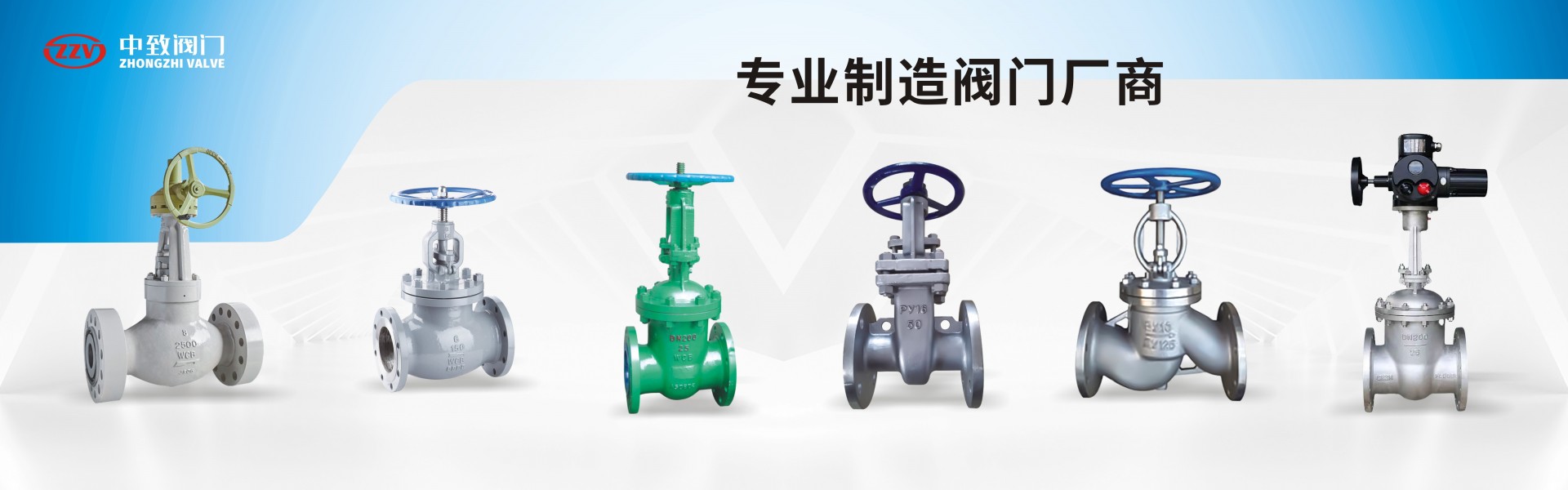
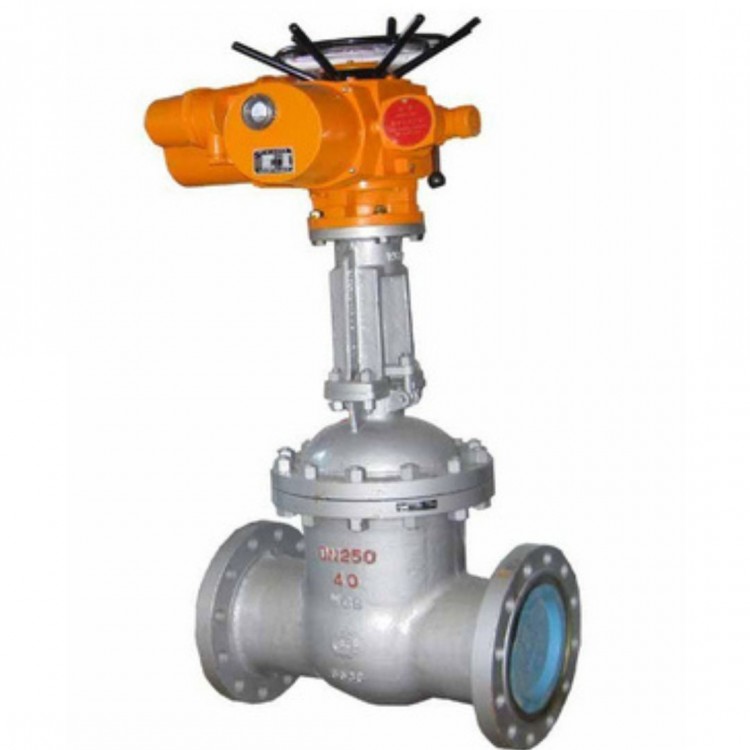
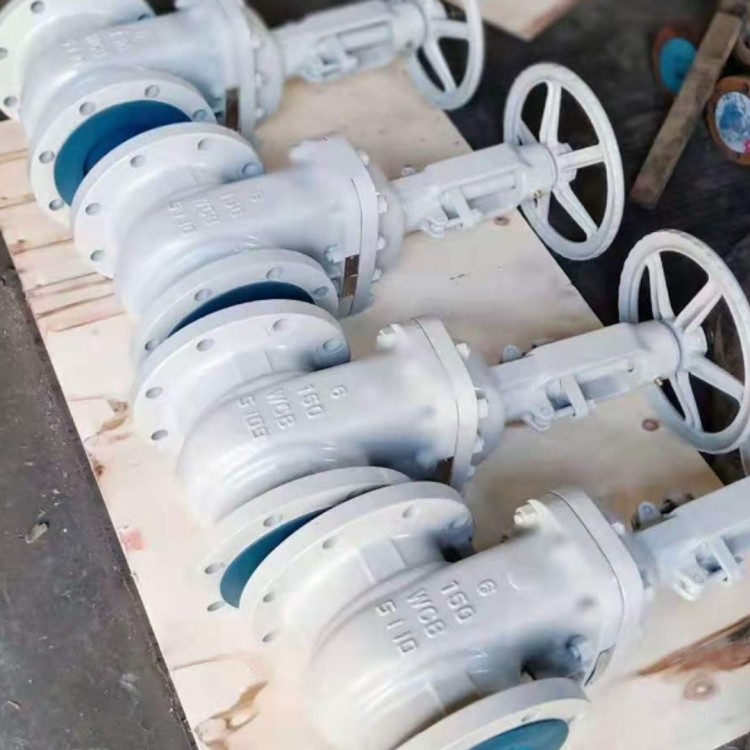
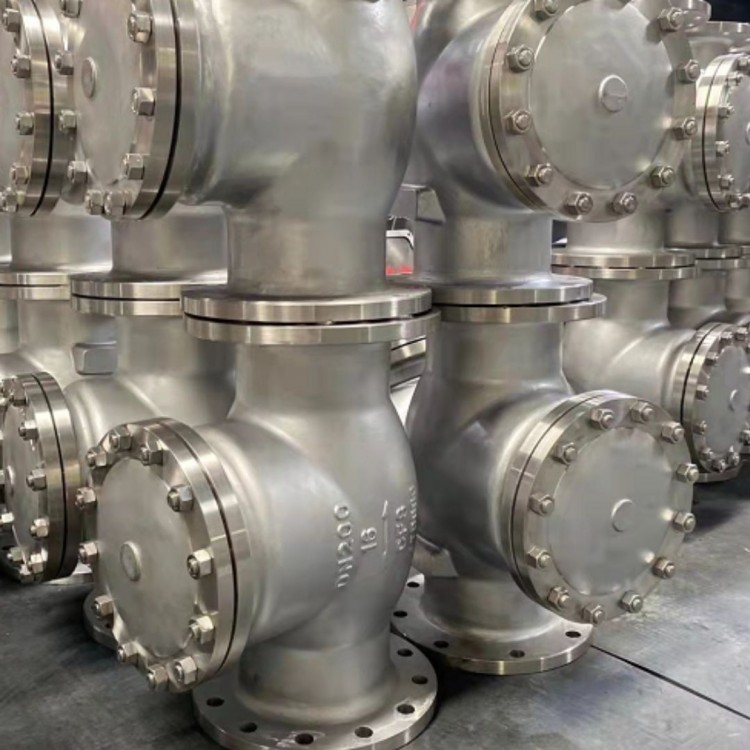
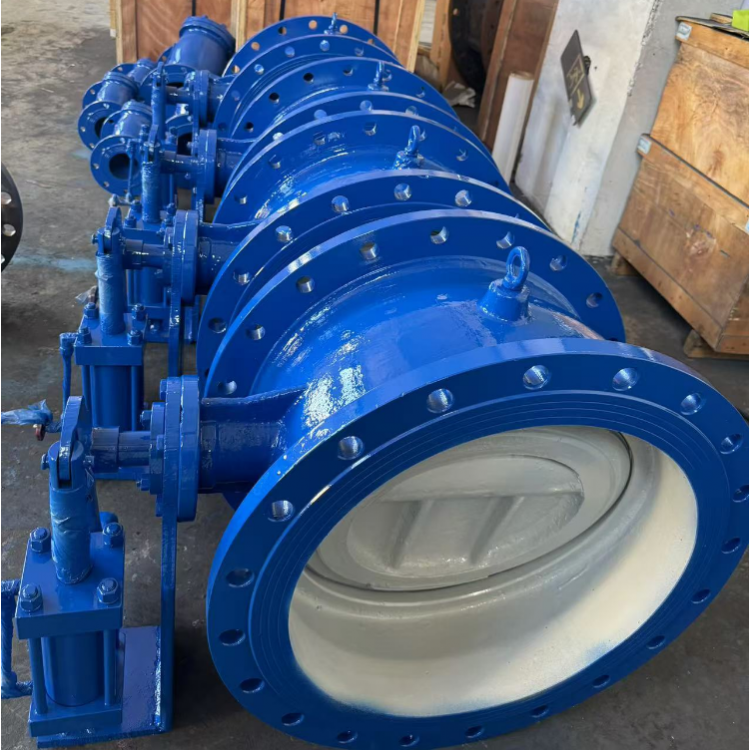
Valve manufacturing and sales, along with accessories

Gates are control facilities used to close and open water discharge channels. An essential component of hydraulic structures, they can be used to intercept water flow, control water levels, regulate flow rates, and discharge silt and floating debris, among other functions.
Gate Classification:
By material type:We offer a range of gates, including wooden gates, wooden panel steel frame gates, cast iron gates, reinforced concrete gates, and steel gates.
2. Divided by the relative position of the gate's top to the horizontal plane:We primarily offer overhead gates and submerged gates.
3. By nature of work:We offer work gates, emergency gates, and maintenance gates.
4. Divided by the gate opening and closing method:Gate operators that utilize mechanical operations to open and close gates, as well as hydraulic automatic gates that control opening and closing based on the changes in water pressure experienced by the gates due to the rise and fall of water levels.
5. Classified by the different support forms of the door leaf:Primarily composed of gate types supported by fixed wheels, hinge-supported gates, gates with slider supports, chain wheel gates, string roller gates, and round roller gates, etc.
The advantages of gates mainly include the following aspects:
Intelligent Control:Modern gates have achieved intelligent control, enabling remote monitoring and automatic adjustment through sensors, computers, and other equipment, significantly enhancing work efficiency.
2. Efficient Operation:The gate's design ensures high operational efficiency and stable performance in various complex environments.
High SecuritySteel, as the primary construction material, boasts excellent tensile, compressive, and shear strengths, capable of withstanding immense hydrostatic pressure and external loads, ensuring the stable operation of the gate under extreme weather conditions.
4. Durable:Galvanized steel, treated with corrosion-resistant methods (such as hot-dip galvanizing or applying corrosion-resistant paint), can effectively resist the侵蚀 of water flow and oxidation, extending its service life and reducing maintenance costs.
Adaptability:Gate designs are versatile and customizable to meet various engineering requirements, capable of handling complex environmental conditions such as water level changes and fluctuations in water flow speed.
6. Superior Sealing PerformanceGates typically employ sealing devices such as rubber waterstops and metal water-shedding strips, which boast excellent elasticity and wear resistance, ensuring stable sealing performance over extended periods of use.
7. Easy installation and maintenanceGates are easy to install, adjust, use, and maintain, reducing the risks and costs associated with manual operations.
Gates are applicable in various scenarios of hydraulic engineering, primarily including river management, reservoir regulation, hydropower generation, port ship locks, and agricultural irrigation.
River ManagementInstalling gates in river channels can regulate and control water flow, prevent river flooding and pollution, and protect the lives and property of residents along the banks. Properly setting the gates can effectively maintain the ecological balance of the river channel.
Reduce erosion on riverbeds to protect the stability of riverbanks.
2. Reservoir Regulation:Gates are used at the inlets and outlets of reservoirs to control water levels and flow, ensuring the safe operation of the reservoir. Square gates can adjust their opening degrees according to actual needs, accurately controlling the speed and direction of water flow.
This is crucial for water management activities such as waterproofing, irrigation, and water supply.
Hydropower Generation:Gates can regulate water flow and water levels, ensuring the stability of hydropower generation.
Port Locks:The lock is a vital passageway connecting the ocean to the inland, with the gate controlling the entry and exit of vessels, ensuring navigation safety.
5. Agricultural Irrigation:Gates are used in agricultural irrigation systems to control water flow into irrigation channels, ensuring agricultural production.
City Drainage:Gates in urban drainage systems assist in controlling rainwater discharge and prevent the occurrence of urban flooding.
7. Industrial Fluid ControlGates are used in chemical plants, paper mills, and other enterprises to regulate the flow rate and direction of raw materials or products, enhancing production efficiency and reducing energy consumption and costs.
8. Environmental Sector:Gates are used in environmental facilities such as wastewater treatment plants and landfill leachate treatment stations to control the flow of wastewater or hazardous liquids, effectively treating and recycling the wastewater.
9. Smart Integrated Gate Valves in Eco-AgricultureBy real-time monitoring soil moisture, weather changes, and water levels, the system automatically adjusts water flow to reduce water waste and enhance crop growth quality and yield.
The application of intelligent integrated gates has not only boosted agricultural production efficiency but also driven sustainable development.


b2b.china9.net © Zhongshang 114 Hebei Network Technology Co., Ltd.Address: Room 6009, Oriental New World Center, No.118 East Zhongshan Road, Qiaoxi District, Shijiazhuang City, Hebei ProvincePlatform Service Hotline: 4006299930