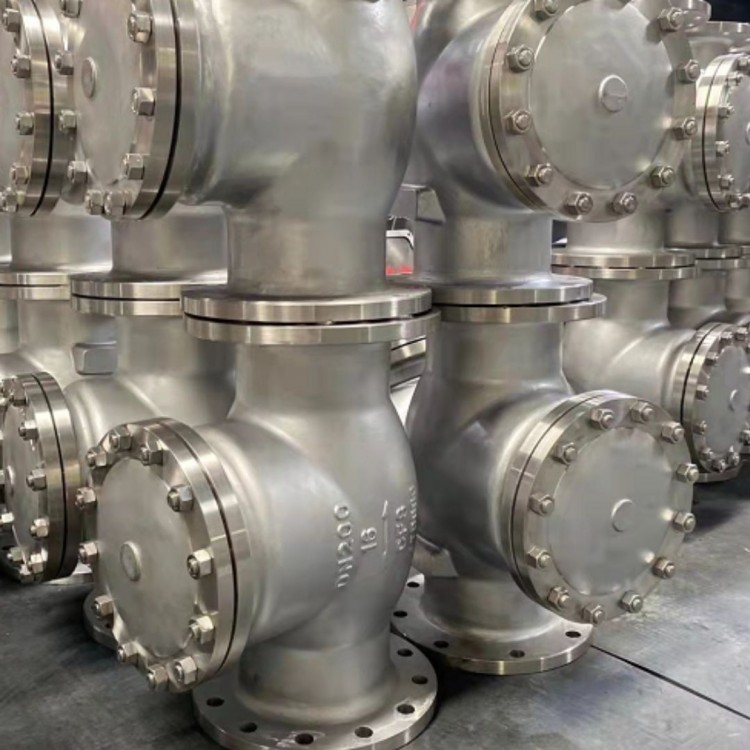
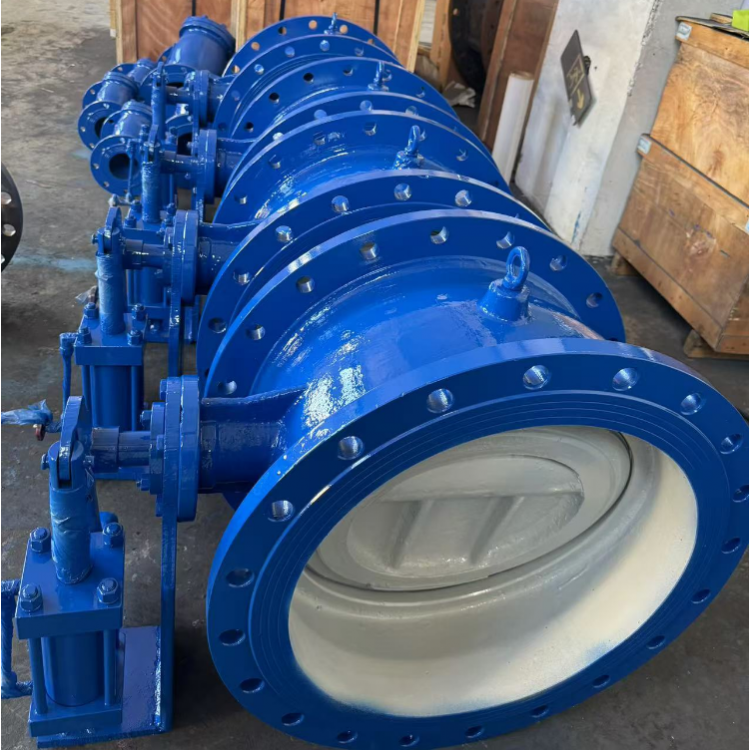
Valve manufacturing and sales, along with accessories

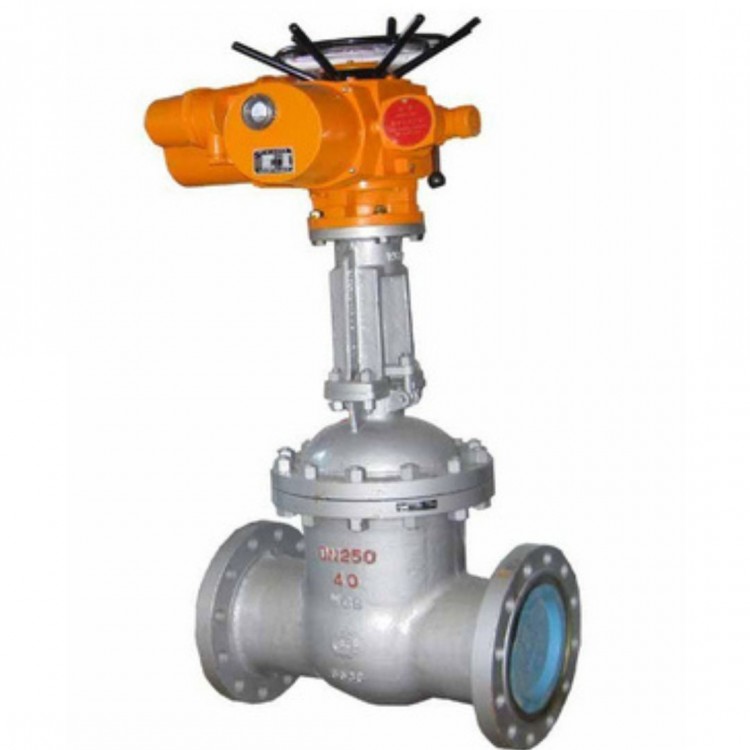
The Guanli Valve is the fifth-generation new product following the old-fashioned manual control valves, fluid-controlled butterfly valves, multi-functional hydraulic valves, and hydraulic automatic valves at the pump outlet. Through the fluid design of the valve,
The straight-line channel design offers low energy consumption, stable operation, and excellent sealing. It combines the functions of an electric gate valve, electric butterfly valve, and check valve. By improving the quick-closing time, it can better eliminate the hazards of water hammer.
Protecting the safety of water pumps and pipeline systems.
The Guanli Valve is primarily used in the discharge pipelines of centrifugal, mixed-flow, and axial-flow pumps in automated water supply and drainage pump stations. It features two types of control devices, namely piston and diaphragm types, which are suitable for clean water applications, respectively.
Original water-based media and wastewater, slurry water-based media; equipped with auxiliary components, can provide real-time feedback on valve operation status, enabling automatic control and remote detection for the conveying project.
In terms of product types, there are five specifications available: standard, backwater low-pressure, and wastewater models.
Due to its compact structure, small size, and light weight, it is particularly suitable for large-diameter pipeline systems. It can be widely used in industries such as power, environmental protection, metallurgy, petrochemicals, water supply, municipal, and food.
The transmission systems for drainage systems, wastewater pump stations, and chemical fluid processes represent a new type of pump station control equipment that is innovative in structure, advanced in performance, and reliable in operation, both domestically and internationally.
The advantages of the Guanli Valve primarily include the following aspects:
Low energy consumption, stable operation, and excellent sealing performance:The Guanli Valve, through its fluid design of the valve, creates a linear flow path, resulting in low energy consumption, stable operation, and excellent sealing performance.
2. Eliminate Water Hammer HazardsThe Guanli Valve effectively mitigates water hammer damage by enhancing its quick-closing time, thereby safeguarding the safety of water pumps and pipeline systems.
3. Compact, small in size, and lightweight:The Guanli Valve is particularly suitable for large-diameter pipeline systems due to its compact structure, small size, and light weight, making it ideal for use in large-diameter pipelines.
4. VersatilityThe Guanli Valve combines the functions of electric gate valves, electric butterfly valves, and check valves, catering to a variety of application needs.
5. Automation Control and Remote Detection FeaturesThe Guanli Valve can provide real-time feedback on the online operation of the valve through auxiliary components, enabling automatic control and remote detection functions.
6. Wide Application Range:The Guanli Valve is widely used in the conveying systems of supply and drainage systems, sewage pump rooms, and chemical fluid systems across various industries such as power, environmental protection, metallurgy, petrochemical, water conservancy, municipal, and food.
It is a novel control equipment for pump stations, characterized by innovative structure both domestically and internationally, advanced performance, and reliable operation.
7. Various Control DevicesThe Guanli Valve design features two types of control mechanisms: piston and diaphragm, which are respectively suitable for clean water, raw water media, and wastewater, slurry water media.
8. Various specificationsThe Guanli Valve comes in various types, including standard, adjustable, wastewater, and low-pressure return models, catering to different operational requirements.
The maintenance of the control valve primarily includes the following aspects:
Regular inspections and cleaning:Valves prone to failure may experience issues such as being stuck open or not reducing pressure when fully closed. Reasons for the valve being stuck open could include blockages in the control passage or pistons becoming jammed at a higher position due to rust.
Therefore, a filter must be installed before the pressure reducing valve. For newly installed or long-term unused pressure reducing valves, it is essential to disassemble them for inspection and cleaning.
2. Purge ImpuritiesPrior to installing the valve, it is essential to clean the pipeline system of any debris, oil, or other contaminants. During installation, attention should be given to the valve's orientation and placement to ensure smooth operation and maintenance.
Corrosion PreventionCorrosion issues on valve bodies can be addressed by selecting the appropriate materials. Valve body corrosion is categorized into chemical and electrochemical corrosion, and choosing the right materials can effectively prevent corrosion.
Furthermore, lining methods such as lining with lead or aluminum can also effectively prevent corrosion.
4. Seal Performance TestingAfter installation, a tightness test should be conducted to ensure the valve's sealing performance. Regular inspections and maintenance of the valve are necessary to ensure its proper operation and longevity.
5. Replace Damaged PartsIf污物are found, they should be removed promptly; piston rings that are damaged should be updated; faulty springs should be replaced with functional ones; if the sealing surface doesn't fit properly, it should be reground; and if the diaphragm is not responsive, it should be replaced.


b2b.china9.net © Zhongshang 114 Hebei Network Technology Co., Ltd.Address: Room 6009, Oriental New World Center, No.118 East Zhongshan Road, Qiaoxi District, Shijiazhuang City, Hebei ProvincePlatform Service Hotline: 4006299930