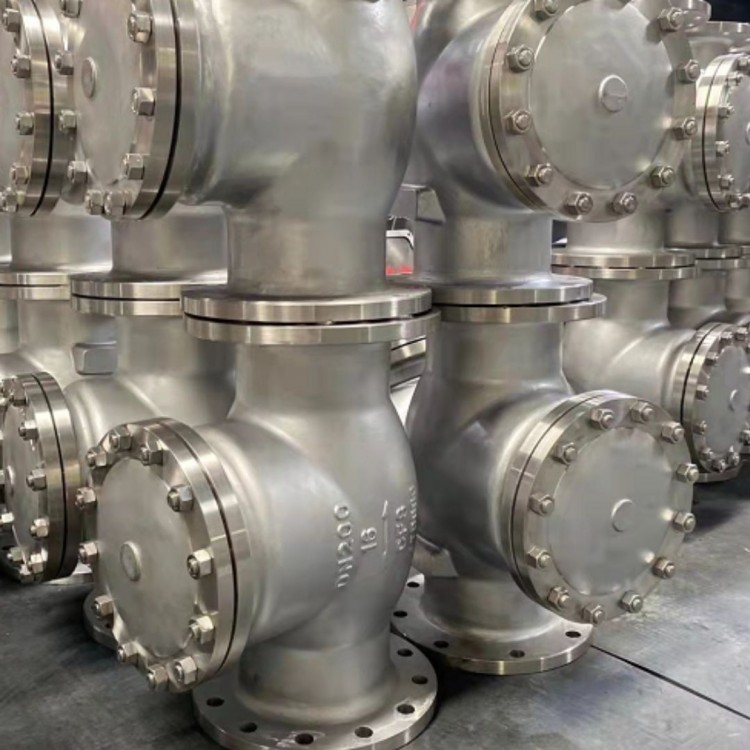
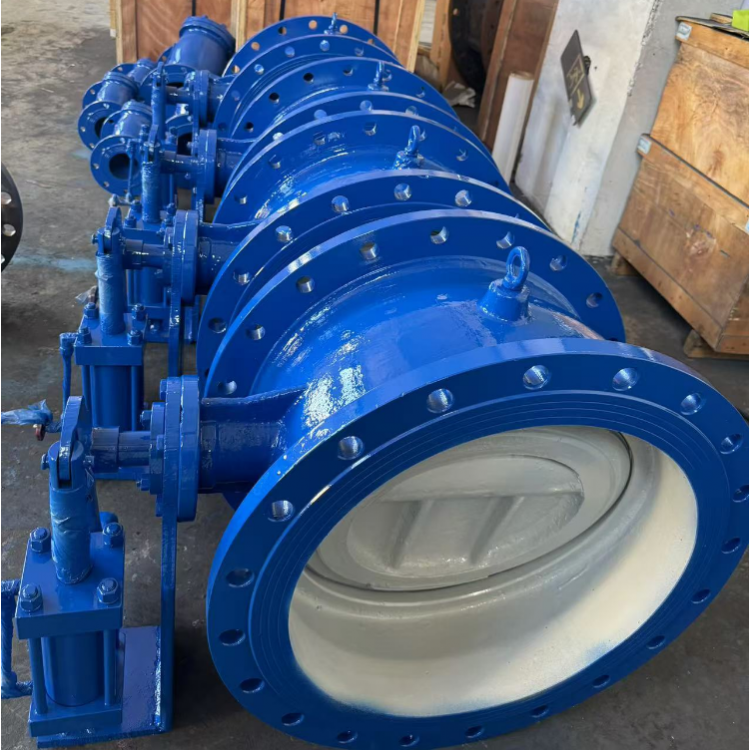
Valve manufacturing and sales, along with accessories

The Flow and Pressure Regulating Valve is a valve used for accurately adjusting flow rate and pressure in fluid pipelines. It combines multiple functions such as flow control, pressure reduction and stabilization control, pressure relief and holding control, and energy dissipation through venting, featuring a novel structure and reliable performance.
Structure and Working Principle
Flow and pressure regulating valves typically feature an overhead structure, suitable for high-pressure and large-diameter applications. This design reduces the number of connection bolts on the valve body, enhancing the valve's reliability and overcoming the impact of system weight on the valve's normal operation.
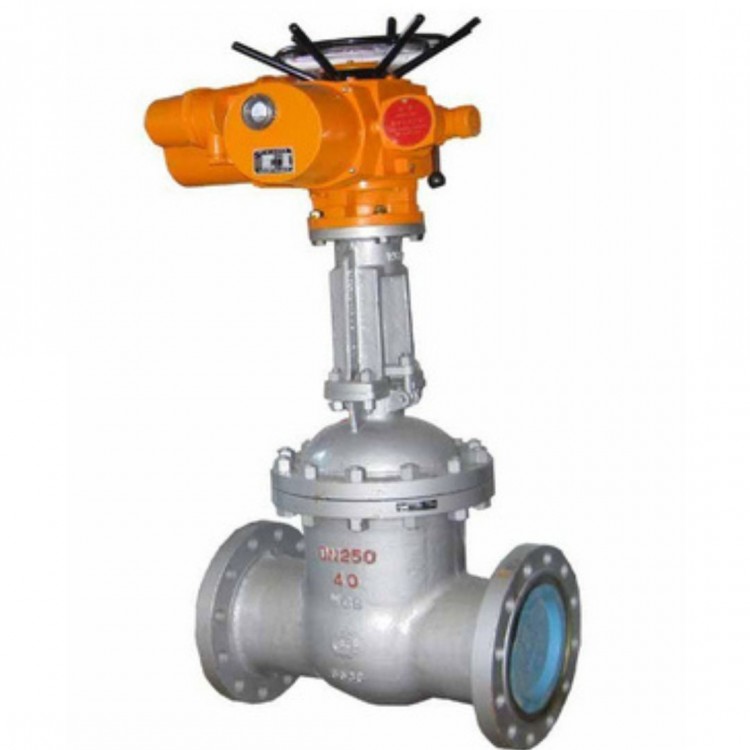
The electric flow and pressure regulating valve controls the valve's opening degree through an electric actuator, thereby adjusting the flow and pressure. The electric actuator is composed of a motor, reducer, limit switch, etc., with sensors monitoring the flow and pressure in real-time.
Feedback the data to the control system.
Application Fields
Flow and pressure regulating valves are widely used in pipelines in industries such as coal chemical, petrochemical, rubber, and papermaking as devices for分流和合流or changing the direction of flow of the medium. Electric flow and pressure regulating valves are extensively applied in the chemical, petrochemical, and power industries.
In the fluid control systems for various industries, the system boasts advantages such as a wide adjustment range, high precision, rapid response speed, and high reliability, significantly enhancing the efficiency and stability of fluid control systems.
The advantages of flow and pressure regulators mainly include the following aspects:
High Precision AdjustmentThe flow and pressure regulators, through their finely designed mechanical structure, achieve high-precision flow and pressure adjustments. For instance, the piston-type flow regulator exhibits a linear relationship between its opening and flow rate, making it easy to operate.
Maintains consistent flow operation.
2. Excellent energy dissipation performanceFlow and pressure control valves can effectively dissipate energy and reduce pressure during the regulation process by utilizing linear contraction at the outlet and the guiding collision and resistance generated by the throttle components, thereby minimizing cavitation, noise, and vibration.
3. Easy for Automatic Control:Flow and pressure regulating valves are suitable for automatic control systems, which can monitor flow and pressure in real-time through sensors and feed back the data to the control system, achieving automatic and remote control, significantly enhancing
Efficiency and stability of fluid control systems.
4. Easy MaintenanceThe design of the flow and pressure regulating valve simplifies maintenance and inspection. For instance, the sleeve and piston linkage structure is designed for easy disassembly and cleaning, and different types of sleeves can be replaced to accommodate varying operational conditions.
5. Wide Application RangeThe flow and pressure regulating valve is suitable for various media and operating conditions, and can be customized in structural design to meet different industrial application needs. Electric flow and pressure regulating valves, for instance, can adjust the valve opening in response to control signals.
To maintain stable flow and pressure of the medium.
Flow and Pressure Regulating Valve Maintenance
1. Flow and pressure regulating valves may become clogged after use and require cleaning. Prior to cleaning, the valve must be shut off and locked or tagged to ensure safety.
Next, disassemble the valve, clean it, and upon completion, reassemble it, ensuring that the seals are properly positioned and installed.
2. Flow and pressure control valves may become less responsive after prolonged use; in such cases, lubrication is required. Prior to lubrication, the valve should be shut off and locked or tagged to ensure safety.
Next, disassemble the valve, apply a sufficient amount of lubricant, and reassemble it after the lubrication is complete.
3. Flow and pressure regulators may experience wear and damage after a period of use, at which point they should be inspected. Before inspection, the valve must be shut off and locked or tagged to ensure safety.
During the inspection process, careful observation of all parts of the valve is required. Any issues should be addressed promptly with replacements or repairs.
Regular maintenance and care of flow control and pressure regulating valves are crucial for ensuring their long-term stable operation and extending their service life. It is recommended to perform regular cleaning, lubrication, and inspections to ensure safe production.
During the actual maintenance and upkeep process, operations should be conducted based on specific circumstances and in compliance with relevant safety regulations to ensure operational safety. Additionally, regular maintenance can help reduce the failure rate of valves.
Reducing downtime and maintenance costs during production, while boosting efficiency, yields significant economic benefits.。


b2b.china9.net © Zhongshang 114 Hebei Network Technology Co., Ltd.Address: Room 6009, Oriental New World Center, No.118 East Zhongshan Road, Qiaoxi District, Shijiazhuang City, Hebei ProvincePlatform Service Hotline: 4006299930