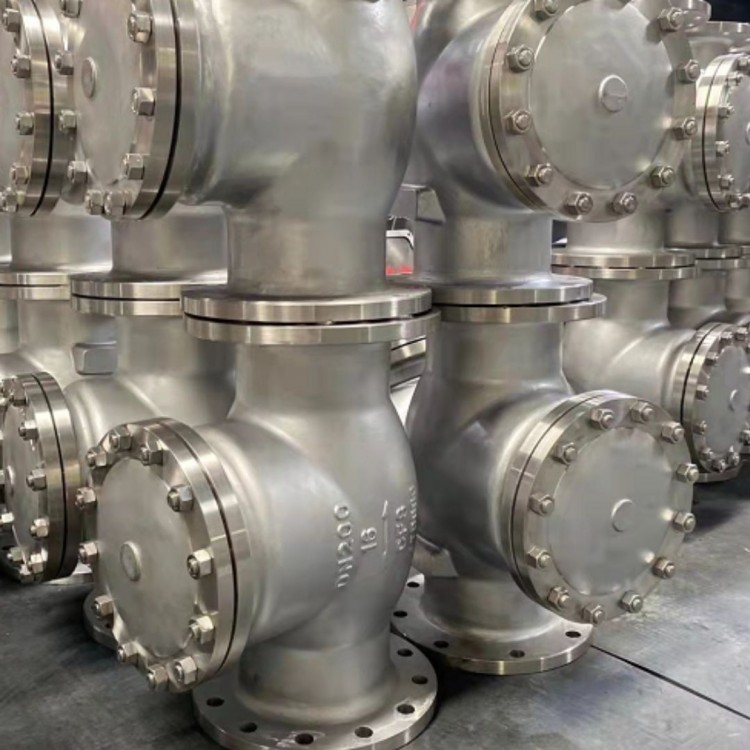
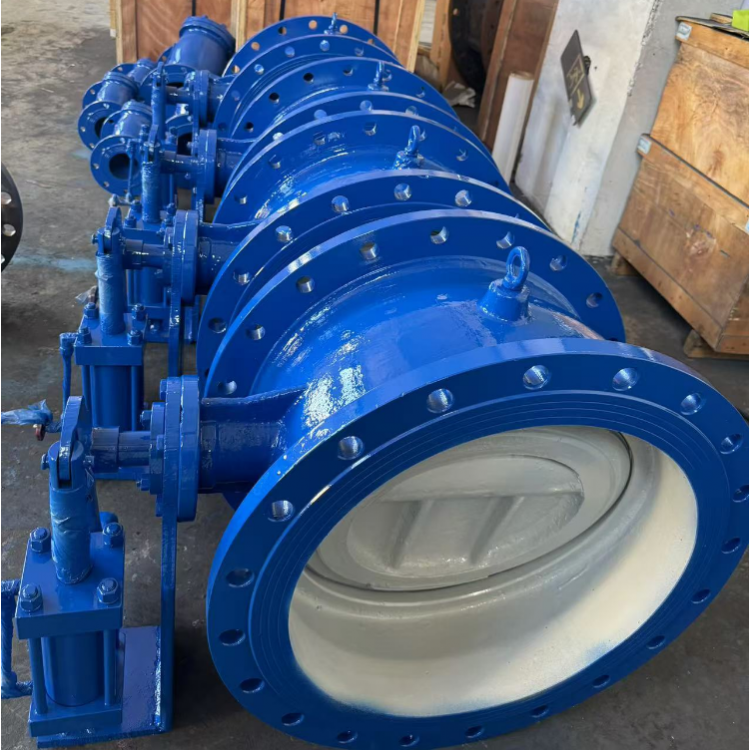
Valve manufacturing and sales, along with accessories

The Self-Regulating Pressure Control Valve is an automatic pressure differential maintaining hydraulic balance valve, used in heating and central air conditioning water systems. It supports the autonomous adjustment and pressure elimination of the end devices in the controlled system's user network.
Self-contained pressure regulating valves are divided into three series: self-contained pressure, pressure differential, and flow regulating valves. Self-contained pressure regulating valves are categorized into two types based on the pressure tapping location: before and after the valve. When the pressure tapping is before the valve,
Used to maintain a constant valve upstream pressure; used to maintain a constant valve downstream pressure when the pressure tapping point is after the valve.
When both the upstream and downstream pressures are simultaneously introduced to the gas chamber on both sides of the actuator, the self-operated pressure differential regulating valve can maintain a constant pressure at both ends of the regulating valve, and also introduce the pressure differential at both ends of the installed orifice plate on the pipeline.
On both sides of the gas chamber of the thin film actuator, an automatic flow control valve is composed, or flow regulation is achieved by using an automatic pressure difference control valve after flow detection through other means.
The advantages of the self-contained pressure regulating valve mainly include automatic adjustment, no need for external power, energy-saving and environmental protection, easy installation, convenient maintenance, and high-precision regulation.
Automatic AdjustmentThe self-regulating pressure control valve can automatically adjust, making the system more intelligent compared to manual control valves, as it reduces the need for human intervention.
2. No External Power RequiredSelf-regulating pressure control valves, unlike electrically adjustable valves, do not require an external power source such as electricity or gas. This allows them to operate normally in places without electricity or gas, offering both energy savings and environmental protection.
3. Energy-saving and environmental protectionThe self-contained pressure regulating valve consumes no additional electricity or gas during operation, as it does not require external energy, thereby meeting energy-saving and environmental protection standards.
4. Easy Installation:The installation process for the self-contained pressure regulating valve is relatively simple. Once installed and the pressure value is set, it can be put into automatic operation, reducing the time for installation and tuning.
5. Easy MaintenanceThis valve structure is simple, requires minimal maintenance, and due to its automatic adjustment feature, reduces the frequency of manual intervention, thereby lowering maintenance costs.
6. High Precision AdjustmentThe self-contained pressure regulating valve boasts high precision adjustment capabilities, enabling fine control over pressure to ensure stable system operation.
Self-contained pressure regulating valves are primarily suitable for the following scenarios:
Urban heating and cooling systemsThe self-contained pressure regulating valve requires no external energy, features a simple structure, is easy to use, and has minimal maintenance requirements. It is particularly suitable for urban heating and heating systems.
Especially in situations where control is necessary even without power and gas supply.
Central Air Conditioning SystemSelf-contained pressure regulating valves can eliminate pipeline pressure, support autonomous regulation of terminal devices for various users in the controlled system, and are suitable for central air conditioning systems, ensuring stable system operation.
3. Water System:Self-contained pressure regulating valves are widely used in heating, central air conditioning, and other water systems, capable of automatically maintaining constant pressure differences, balancing hydraulic conditions, and ensuring system stability and efficiency.
Principle of Operation
The working principle of the self-contained pressure regulating valve is based on the energy of the object being adjusted. When the valve upstream pressure of the working medium is throttled through the valve core and seat, it becomes the downstream pressure. The downstream pressure...
The control line input to the bottom membrane chamber of the actuator exerts a force on the top plate, balancing it with the spring's reactive force, thereby controlling the pressure after the valve. As the pressure after the valve increases, the valve core will...
The position of the valve seat until the force and counterforce are balanced, thereby reducing the pressure after the valve; conversely, as well.
Self-contained pressure regulating valve installation
1.Before installation, check that the product model, serial number, and specifications match, and inspect the entire machine for missing or loose parts.
2.Prior to installation, the pipeline should be cleaned, ensuring adequate straight pipe sections at the valve inlets and equipped with filters. The valve body is connected to the pipeline via flanges, with attention to concentricity.
3. Before installing the shut-off valve, the pipeline should be thoroughly cleaned.
4. The installation site should prioritize the safety of personnel and equipment, ensuring ease of operation, as well as facilitating disassembly and maintenance.
5.Valves should be installed vertically and upright on horizontal pipelines. In unavoidable situations, they may be installed at an angle, but it is best to avoid horizontal installation. For valves that are heavy or subject to vibration, a support bracket should be used.
Self-contained Pressure Regulating Valve Maintenance
1. Valve Cleaning: For general medium cleaning, simply rinsing with water is sufficient. However, when cleaning harmful media to health, it is first necessary to understand their properties, and then select the appropriate cleaning method.
2. Valve Disassembly: First remove rust from exposed surface parts, but before doing so, protect the precision parts such as the valve seat, valve core, valve stem, and pushrod, ensuring their machining surfaces are safeguarded. Use tools when dismantling or assembling the valve seat.
3.Seat Valve: There are minor rust spots and wear on the sealing surface, which can be addressed through machining methods. However, if the damage is severe, a new one must be replaced. Regardless of repair or replacement, the hard sealing surface must be ground.
4. Rod: Surface damage, must be replaced with a new one.
5. Damaged push rods, guide surfaces, and sealing surfaces: The reactive actuator must be replaced, while the proactive actuator can be used after appropriate repairs.
6. Coiled Springs: Springs with cracks or other defects affecting strength must be replaced.
7. Vulnerable Parts: Packing, gaskets, and O-rings should be replaced with new ones during each maintenance inspection. Valves and diaphragms must be inspected for signs of potential future cracking, aging, and corrosion.
Based on the inspection results, a decision will be made on whether to replace, but the lifespan of the diaphragm is generally extended by 2-3 years.
8.Valve assembly requires precise alignment, bolts should be tightened diagonally, and lubricant should be applied to the sliding parts. After assembly, the product should be adjusted according to the factory testing items and methods, and during this period,
Accurately adjustable stuffing pressure and valve core closing position.


b2b.china9.net © Zhongshang 114 Hebei Network Technology Co., Ltd.Address: Room 6009, Oriental New World Center, No.118 East Zhongshan Road, Qiaoxi District, Shijiazhuang City, Hebei ProvincePlatform Service Hotline: 4006299930