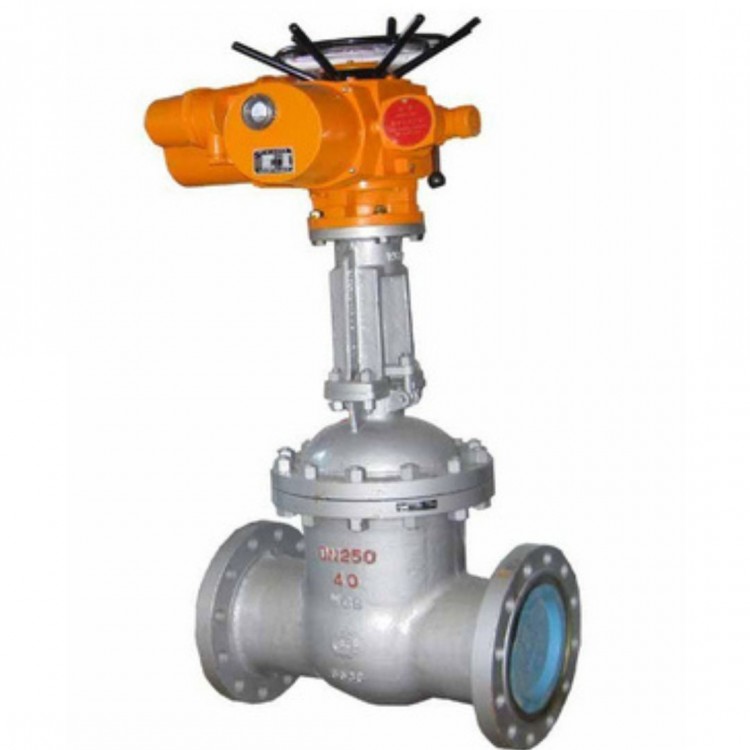
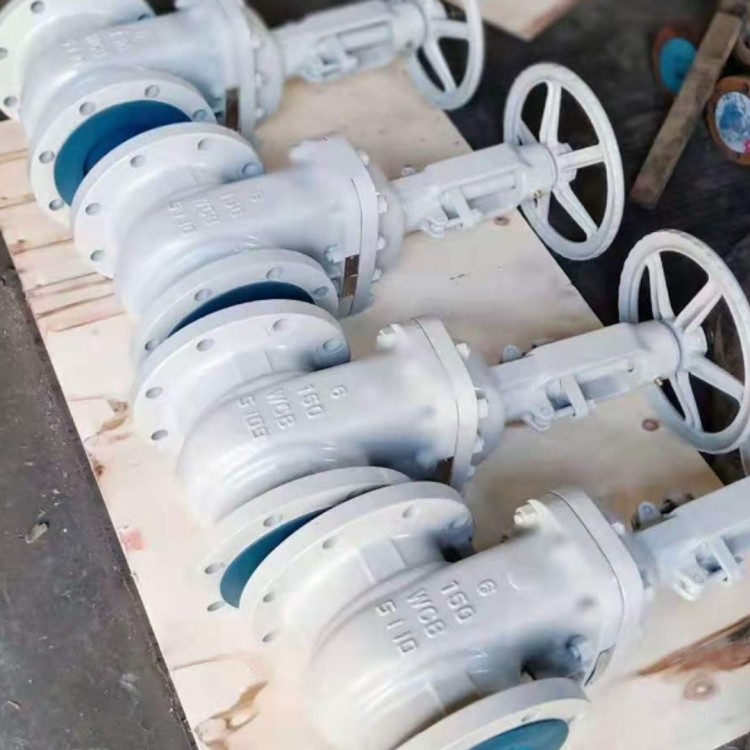
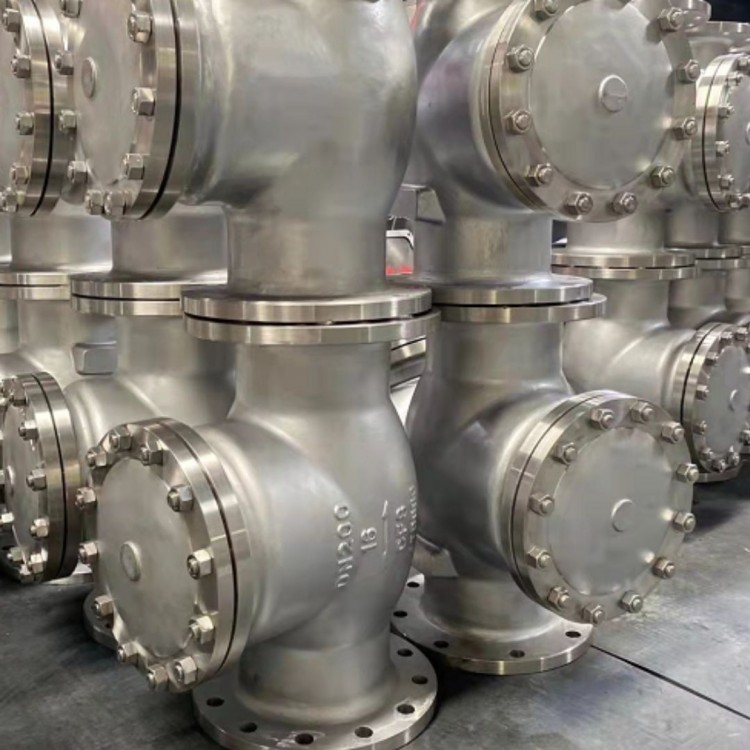
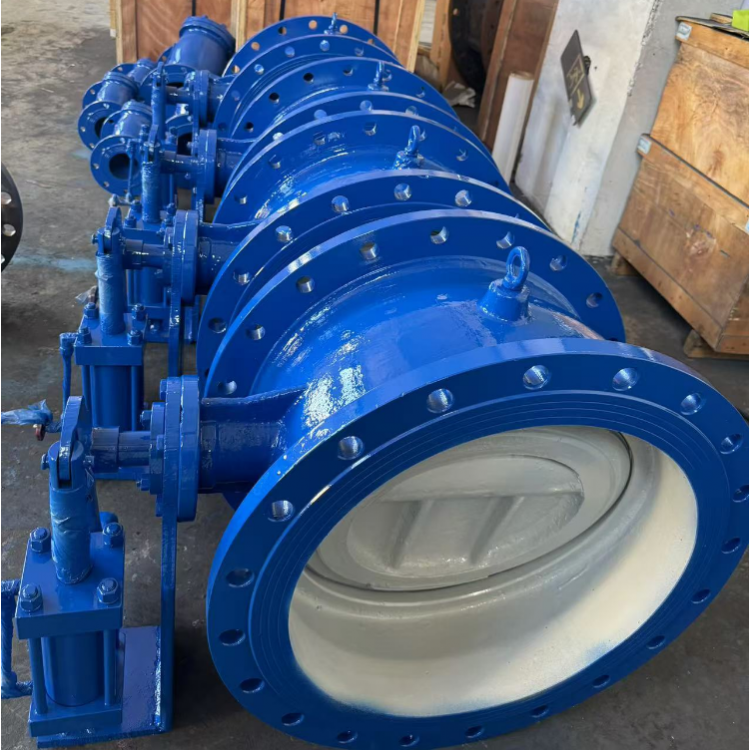
Valve manufacturing and sales, along with accessories

An extended stem valve refers to a type of valve that is modified from the traditional valve design by increasing the length of the valve stem to accommodate specific usage scenarios or address particular issues.
The main advantages of the extended rod valve include the following aspects:
Prevent FreezingIn低温 environments, liquid mediums are prone to freezing, and valve components in direct contact with the medium may be damaged due to freezing. Extending the rod can increase the distance between the valve and the medium, reducing the likelihood of freezing.
Insulation installation convenience:In low-temperature pipelines, the external surface is usually wrapped with a thicker insulating layer. The extended rod valve cover structure facilitates insulation work, keeping the packing gland outside the insulating layer. This allows for easy tightening of gland bolts and addition of packing material without breaking the insulating layer.
3. Reduce Heat LossExtended poles effectively isolate operators from cold environments, reducing heat loss and preventing hand frostbite.
4. Reduce Valve Load Pressure:In certain situations, valves must withstand significant pressure. By extending the rod, the pressure on the valve can be dispersed, reducing the load-bearing pressure on the valve and extending its service life.
Enhancing Operational SafetyIn cold conditions, operators must wear heavy thermal gear, which may affect their precision and agility. Extended poles enable operators to work at a safe distance, enhancing operational safety.
Adaptability:Extended rod valves can be installed in deeper pipelines or used flexibly in confined spaces, enhancing the versatility and applicability.
7. User-friendly OperationThe extended pole design allows staff to operate from greater distances, enhancing flexibility and convenience for both manual and remote control operations, while reducing labor intensity.
8. Effortless and DextrousExtended stem valves typically feature a lower operating torque, making them easier and more agile to handle, even allowing for manual operation in a more comfortable position.
Valve extension rods are commonly used in scenarios requiring the operation of deeply buried or submerged valves. Below are some typical application scenarios:
Wastewater Treatment PlantIn wastewater treatment plants, changes in liquid level can cause the level pipes to sink underground, making valves hard to reach. Using valve extension rods allows operators to avoid hazardous areas while conveniently operating the valves.
2. Construction Site:On construction sites, factors such as pipes and walls may obstruct valve operation. In such cases, using a valve extension rod allows operators to easily navigate obstacles to complete the valve operation.
3. Ocean Platform:On offshore platforms, valves are prone to rust and corrosion when exposed to seawater, making regular maintenance and replacement of valves extremely necessary. Utilizing valve extension rods allows operators to avoid deep submersion in the water, thereby enhancing efficiency and safety.
In summary, valve extension rods enable operators to handle valves more safely and conveniently in various situations. The length of the extension rods can be customized to meet different needs, catering to various scenarios and operational requirements.


b2b.china9.net © Zhongshang 114 Hebei Network Technology Co., Ltd.Address: Room 6009, Oriental New World Center, No.118 East Zhongshan Road, Qiaoxi District, Shijiazhuang City, Hebei ProvincePlatform Service Hotline: 4006299930