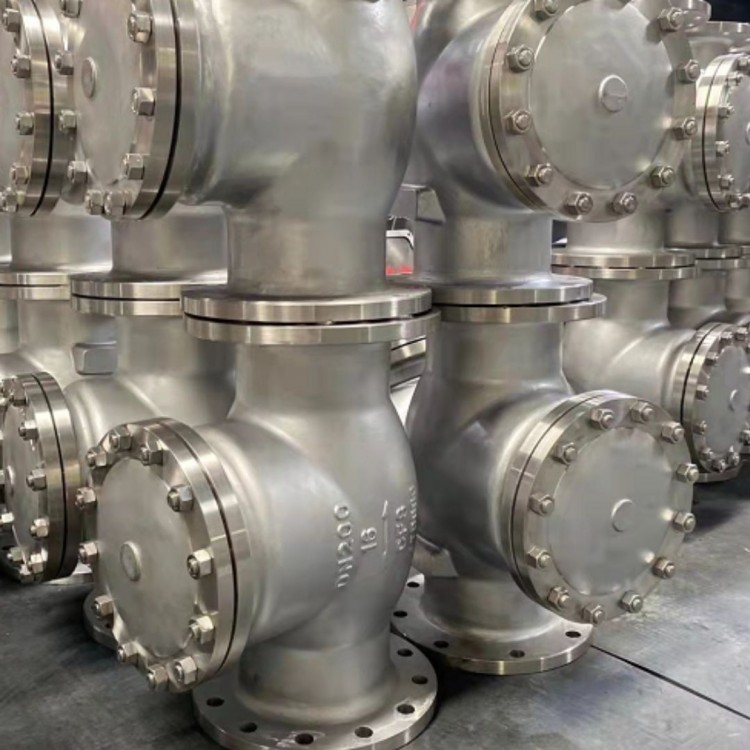
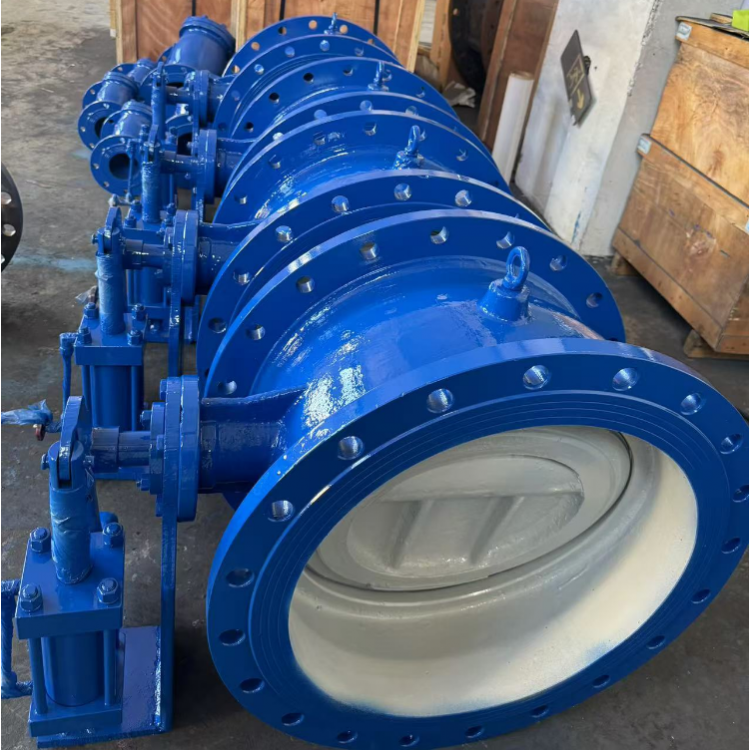
Valve manufacturing and sales, along with accessories

Thermowet valves, also known as trap valves or automatic drain valves, are devices used in steam and gas systems, primarily designed to automatically drain condensate from heating equipment or steam piping.
Air and other non-condensable gases are prevented, along with steam leaks. The water-separating valve is widely used in industries such as petrochemicals, food, and power plants, playing a significant role in energy conservation and emission reduction.
The function of the water-repellent valve:
The main function of the throttling valve is to promptly discharge the condensate generated in steam pipelines and equipment, ensuring the stable operation of the system. It can automatically detect condensate in the pipeline and promptly remove it.
To ensure the efficient and stable operation of the system. Additionally, the water separator can automatically remove condensate and non-condensable gases such as air from heating equipment or steam pipelines, preventing steam leaks and ensuring even heat distribution from the steam heating equipment.
Maximize steam latent heat to prevent water hammer in steam pipelines.
Principle of the water-repellent valve:
The working principle of the throttle valve is based on the thermodynamic principles in physics. As steam passes through the pipeline, its temperature is higher than the surrounding environment, causing it to release heat. Consequently, the temperature decreases gradually, and it then condenses into water.
Condensate must be discharged promptly to prevent system malfunctions. The drain valve senses condensate in the piping and expels it, ensuring stable system operation.
Features and application conditions of different types of hydraulic shock valves:
1. Mechanical Drain Valves: Designed based on the density difference between steam and condensate water, including inverted bucket, free floating ball, and lever floating ball types. Suitable for applications requiring rapid drainage.
2. Thermodynamic Type of Pressure-Equalizing Check Valve: Designed based on the principle of temperature difference, it includes diaphragm box and bimetallic types. Suitable for applications with significant temperature variations.
3. Thermal-type Trap Valves: Utilizing disc-type design, they control the flow rate and volume changes of steam and condensate water. Suitable for applications requiring precise control.
The primary advantages of the hydraulic control valve include:
1. Efficient Drainage: The water separator can automatically open and close, ensuring only condensate passes through, thereby reducing energy waste and improving system efficiency.
2. Preventing Water Hammer: By rapidly discharging condensate, we minimize the occurrence of water hammer, thereby protecting equipment and pipelines from damage.
3. Reduce Steam Loss: Automatically expel non-condensable gases and cold air, minimize the ineffective use of steam, and enhance the thermal efficiency of the system.
4. Versatile: Suitable for various types of steam systems, including saturated steam and superheated steam systems.
5. Easy Maintenance: Most check valves are designed simply, making them easy to maintain and service.
Key considerations for the use of the water-repellent valve include the following points:
Preventing Clogging: The waterway valve is prone to blockage by water impurities and debris. Therefore, when in use, the flushing valve should be opened first to flush the pipeline. If there is a bypass pipe, the bypass grid can be opened for a brief flush. If there are no flushing pipes or bypass pipes,
Remove the drain valve, open the shut-off valve to flush the screen, then reinstall the drain valve, and finally open the shut-off valve to activate the drain valve.
Operation of parallel drain valves: For parallel drain valves, if the discharge of condensate does not affect operation, a method of alternating flushing and use can be adopted. During operation, first close the shutoff valves before and after the drain valve.
Then, open the cut-off valves before and after the other drain valve. You can also open the inspection valve to check the drain valve's operation. If a significant amount of steam escapes, it indicates that the valve is not functioning properly; if only water is drained, it signifies normal operation.
3. Inspect the working condition of the trap valve: By opening the check valve of the trap valve that was just closed, the accumulated condensate can be drained. If condensate continues to flow out, it indicates a leakage between the valves before and after the inspection pipe.
Identify which valve is leaking.
4. Non-Condensate Return Valve: For non-Condensate Return Valves, simply open the cut-off valve before the valve to activate it. The proper functioning can be verified by checking the outlet of the valve.
5. Regular Maintenance: The structure of the throttling valve is simple, making it easy to maintain. During operation, simply perform regular checks on the valve's operation and discharge status, and promptly clean the condensate.


b2b.china9.net © Zhongshang 114 Hebei Network Technology Co., Ltd.Address: Room 6009, Oriental New World Center, No.118 East Zhongshan Road, Qiaoxi District, Shijiazhuang City, Hebei ProvincePlatform Service Hotline: 4006299930